Thin Diamond Plate Roll
Jul-30-2026
A thin diamond plate roll is an embossed aluminum coil with a raised diamond pattern designed to improve slip resistance, appearance, and surface durability without adding excessive weight. It is widely used where a rigid heavy-gauge plate would be unnecessary or difficult to fabricate. Typical examples include interior vehicle panels, trailer trim, wall protection, toolboxes, decorative cladding, equipment covers, and lightweight flooring components.
From a production perspective, the value of thin aluminum tread material is not simply its bright appearance. A reliable roll must combine stable thickness, clean pattern definition, controlled coil shape, and consistent mechanical properties so that customers can slit, cut, bend, laminate, or press the material efficiently. Our aluminum diamond plate roll options are made for customers who need continuous material rather than fixed-size sheets, helping reduce offcuts and improve fabrication flexibility.
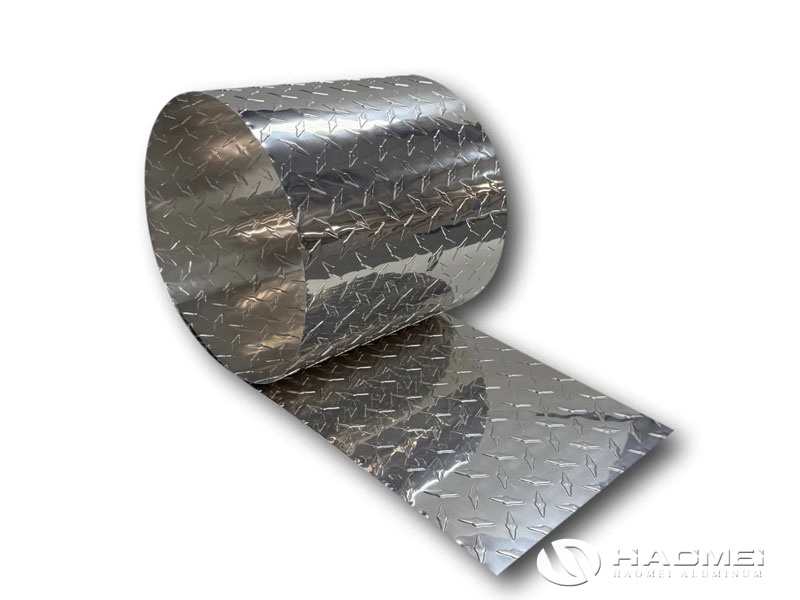
Thin diamond plate roll is commonly supplied in thicknesses from approximately 0.5 mm to 2.0 mm, although thinner decorative gauges and heavier custom gauges can be produced based on order requirements. The selected thickness should reflect the intended use. A 0.5-0.8 mm coil is generally suitable for trim and wall cladding, while 1.0-1.5 mm material offers better dent resistance for vehicle interiors, protective panels, and light-duty flooring.
Common specifications include:
Alloys: 1050, 1060, 1100, 3003, and 5052 aluminum alloys
Temper: H14, H22, H24, H32, or other tempers according to forming needs
Thickness: Usually 0.5-2.0 mm for thin rolls
Coil width: Commonly 600 mm, 1000 mm, 1200 mm, 1250 mm, or customized slit widths
Coil weight: Often 1-5 metric tons, depending on handling equipment and transportation requirements
Pattern: One-bar, two-bar, three-bar, five-bar, or diamond/checker pattern
Surface: Mill finish, polished, brushed, anodized, painted, or color-coated finish
The raised pattern height and visual consistency are important quality details. If the pattern is shallow, uneven, or distorted near the coil edges, the finished part may look inconsistent after cutting. For visible architectural or vehicle applications, we recommend agreeing on surface samples before volume production.
The key feature of a thin diamond plate roll is its combination of low weight and functional surface texture. Aluminum is approximately one-third the weight of steel, which makes it a practical option for weight-sensitive products. Lower component weight can support easier installation, reduced freight costs, and improved vehicle payload efficiency.
Its embossed pattern provides traction and helps conceal minor scuffs that would be more noticeable on plain sheet. This makes thin tread aluminum especially useful for surfaces that receive regular contact from shoes, tools, cartons, or equipment. The pattern also gives a distinctive industrial appearance that many manufacturers use as a visual design element.
Corrosion resistance is another major advantage. Aluminum naturally forms a protective oxide layer, and 3003 or 5052 alloys offer dependable performance in humid environments. For more demanding coastal, marine, or chemically exposed conditions, 5052 is often the better choice because of its higher magnesium content and stronger corrosion resistance.
Compared with thick tread plate, thin coil is easier to process on roll-forming lines, press brakes, shears, and stamping equipment. It can be supplied in customized widths to match the final component layout. This reduces trimming loss, which is particularly valuable when material utilization and production cost are closely controlled.
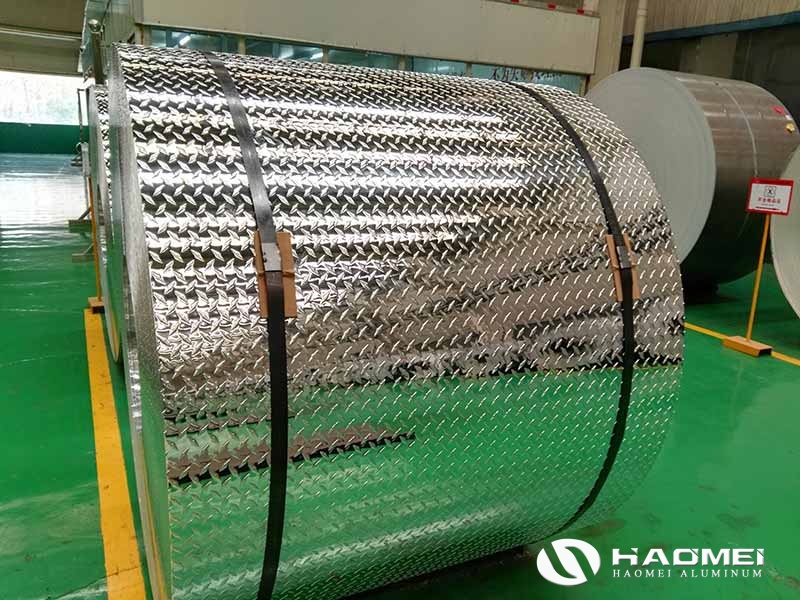
Selecting the correct alloy and temper is essential. For general decorative panels, 1050 or 1060 can provide good brightness, excellent workability, and economical pricing. These alloys are easy to bend, but they are relatively soft and may not be ideal for areas exposed to repeated impacts.
3003 aluminum is a popular choice for general industrial cladding and light-duty tread applications. It offers higher strength than pure aluminum grades while maintaining good formability. In our export experience, 3003 H22 or H24 is often a balanced specification for customers producing trailer linings, truck body trim, cabinet skins, and equipment guards.
For applications requiring greater strength and corrosion resistance, 5052 is recommended. It performs well in marine-related equipment, refrigerated vehicle interiors, utility trailers, and outdoor installations. Because 5052 is less forgiving during severe forming than softer alloys, bending radius, tooling condition, and temper should be reviewed before production.
Buyers comparing coil and sheet formats can also review our thin aluminum diamond plate range when a cut-to-length solution is more suitable for their process.
Thin embossed aluminum coil serves many industries because it can be fabricated into long, lightweight, visually consistent parts. Common applications include:
Trailer, truck, RV, and bus interior wall panels
Toolboxes, storage cases, and cabinet facings
Equipment housings, machine guards, and protective covers
Elevator interiors and commercial wall protection panels
Retail displays, counters, signage, and decorative architecture
Light-duty work platforms and anti-slip step coverings
Marine cabin trim and corrosion-resistant utility components
For flooring, it is important to match the gauge to the supporting structure. Thin diamond plate should not be treated as a self-supporting structural deck unless the design includes adequate backing, framing, or substrate support. The embossed surface improves traction, but load capacity depends primarily on alloy, thickness, span, and the supporting system.
A professional thin diamond plate roll supplier should control more than basic thickness. Coil camber, edge condition, telescoping, pattern alignment, surface scratches, and coating adhesion can directly affect downstream efficiency. We inspect these details because even a small coil-shape issue can create feeding problems on automated lines.
For export orders, moisture-proof packaging is equally important. Coils should be protected with paper interleaving where required, plastic film, desiccants, reinforced edge protection, and seaworthy wooden pallets or cradles. This helps preserve the surface during long-distance sea transport.
When specifying a thin diamond plate roll, provide the alloy, temper, base thickness, width, pattern, finish, coil weight, application, and any forming requirements. Clear technical communication at the quotation stage helps ensure that the delivered coil performs properly in the final product, not merely that it meets a nominal size on paper.