Colored Diamond Plate
Sep-17-2026
Colored diamond plate combines the slip-resistant geometry of aluminum tread plate with a durable painted or coated surface. It is widely specified for vehicle interiors, toolboxes, stair treads, wall protection, retail displays, trailers, and architectural trim where appearance matters alongside practical performance. For importers and project buyers, selecting colored diamond plate requires more than choosing a color: alloy, temper, base-metal thickness, tread height, coating system, and packing method all influence long-term value.
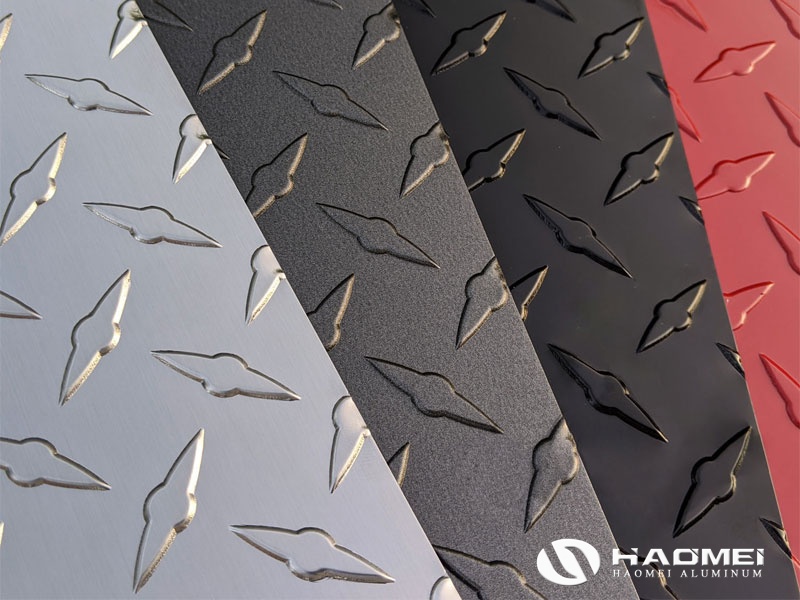
Colored diamond plate is an aluminum sheet or coil embossed with raised diamond-shaped projections, then supplied with a color coating, painted finish, or protective decorative film. The raised pattern improves traction and helps conceal light scuffs compared with smooth sheet. Depending on the market, this material may also be called colored checker plate, color coated tread plate, or painted aluminum diamond plate.
A standard colored diamond plate structure includes an aluminum substrate, surface pretreatment, primer where required, and a topcoat such as polyester, modified polyester, PVDF, or powder coating. The finish may be black, white, silver, red, blue, gray, bronze, or a custom RAL color. Buyers should clarify whether the requested color applies to the raised face only, both sides, or a patterned protective film, as these are different product constructions.
For applications requiring conventional mill-finish material instead of a decorative coating, aluminum diamond plate remains the standard reference category for alloy, pattern, and thickness selection.
The most common aluminum grades for colored diamond plate are 3003, 3105, 5052, and 6061. The right grade depends on forming requirements, corrosion exposure, traffic load, and fabrication methods.
3003 aluminum: A widely used manganese alloy with good formability and moderate corrosion resistance. It is suitable for decorative panels, interior liners, cabinets, and light-duty flooring.
3105 aluminum: Often selected for pre-painted products because it performs well in coating lines and provides practical strength for general architectural and transport uses.
5052 aluminum: A magnesium alloy with stronger corrosion resistance, particularly useful in marine, coastal, humid, and chemical-adjacent environments. It is a preferred option for demanding colored diamond plate applications.
6061 aluminum: Used where higher strength is important, although it is less commonly chosen for continuous pre-painted tread sheet and may require application-specific coating preparation.
Temper is equally important. H22, H24, H32, and H34 are common depending on alloy and thickness. A harder temper improves dent resistance, while a softer temper can simplify bending. Buyers should avoid specifying only "diamond plate" and color; a purchase order should identify alloy, temper, base thickness, overall thickness, pattern type, coating, width, length, and tolerances."
The coating is the primary visual and environmental protection layer of colored diamond plate. Polyester coatings are economical for indoor and low-to-medium exposure environments. They are commonly used on retail fixtures, decorative wall cladding, interior truck bodies, and equipment panels.
For outdoor projects, a higher-performance coating deserves consideration. Modified polyester provides improved weathering compared with basic polyester. PVDF coatings offer strong resistance to UV degradation, chalking, and color fade, making them relevant for architectural facades, exterior enclosures, and hot-climate installations. Powder-coated colored diamond plate is also popular for fabricated components, particularly where a thicker film and finished-part appearance are required.
Coating thickness should be confirmed in microns, not described only as "heavy coating." Typical systems may use approximately 15-25 microns for a standard topcoat, while more demanding applications can require a thicker or specialized system. Coating adhesion, pencil hardness, impact resistance, gloss level, salt-spray performance, and color tolerance should be part of technical discussions for repeat orders.
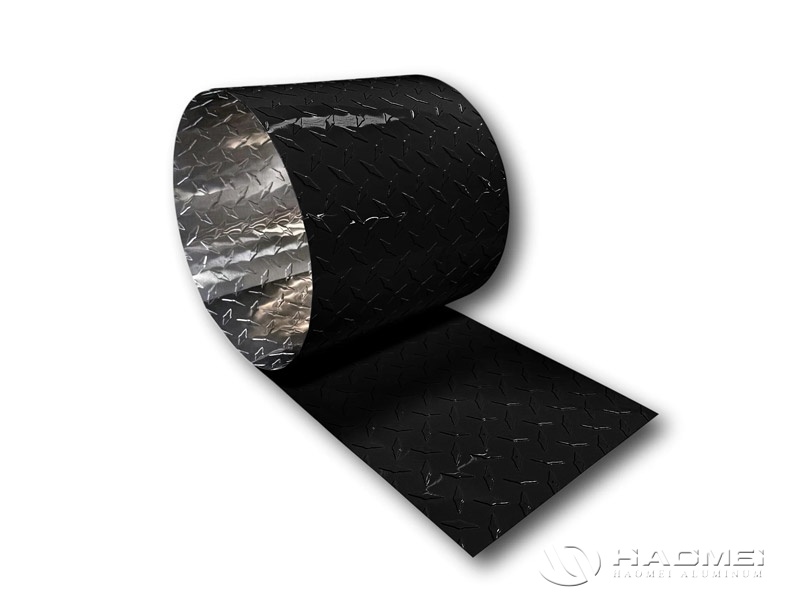
Thickness selection should be based on the structural requirement, not only the finished appearance. Thin colored diamond plate, such as 0.8 mm to 1.5 mm, is frequently used for wall panels, decorative trims, cabinet surfaces, and light-duty liners. Thicknesses from 2.0 mm to 3.0 mm are common for trailer components, vehicle floors, ramps, and protective panels. Heavier gauges may be required for industrial platforms or load-bearing surfaces, depending on span, framing, and point-load conditions.
When comparing supplier quotations, verify whether thickness refers to base metal thickness or total thickness measured over the raised diamonds. This distinction can materially affect weight, stiffness, and price. A reliable colored diamond plate quotation should also state the tread pattern geometry, such as five-bar, two-bar, or diamond pattern, because traction and visual effect vary by embossing design.
For standard panel formats used by fabricators and distributors, diamond plate sheet options can be reviewed alongside custom cutting, coil supply, and export packing requirements.
Colored diamond plate offers a practical balance between appearance and durability across many market segments:
Transport and trailers: Black, gray, and silver colored diamond plate is frequently used for trailer fronts, pickup bed accessories, box truck interiors, step boards, and tool compartments. Dark colors can create a premium industrial appearance, although they may show dust and heat up more rapidly in direct sunlight.
Marine and coastal projects: 5052 colored diamond plate with a corrosion-resistant coating is suitable for dock equipment covers, boat interiors, gangways, and marine utility spaces. Cut edges and fastener points require careful sealing because exposed aluminum can behave differently from the coated face in aggressive environments.
Commercial interiors: Colored diamond plate can add texture to storefront counters, bar fronts, elevator protection panels, garages, showrooms, and exhibition stands. For these uses, color consistency, gloss control, and protective film quality are often more important than heavy structural capacity.
Industrial safety areas: Stair treads, work platforms, machine guards, and walkways benefit from the embossed surface. However, colored diamond plate should not be assumed to meet every anti-slip regulation automatically. Wet conditions, footwear, slope angle, contamination, and local safety standards must be evaluated.
Equipment enclosures and utility boxes: The material provides a clean, robust exterior for generators, toolboxes, HVAC casings, and storage units. Powder-coated versions are often selected when fabricated edges and welded assemblies require a finished coating after manufacture.
Experienced buyers inspect colored diamond plate at three stages: before production, during production, and before shipment. The following controls reduce common claims and improve consistency across containers.
Confirm alloy and temper through mill certificates or third-party testing where required.
Measure base thickness at flat areas and distinguish it from the height of the raised tread.
Check coil or sheet width, length, squareness, edge condition, and allowable camber.
Compare color against an approved RAL code, physical sample, or agreed color standard under consistent lighting.
Inspect coating adhesion, scratches, pinholes, orange peel, uneven gloss, and exposed substrate at pattern peaks.
Confirm protective film type and removal performance, especially for hot climates or long warehouse storage.
Review packing design, including interleaving paper, moisture barriers, pallet strength, corner protectors, and container bracing.
A frequent export issue is surface abrasion during transit. Because the raised pattern contacts adjacent sheets first, colored diamond plate requires appropriate separation and film protection. Buyers should also define whether minor handling marks on the back side are acceptable, particularly for industrial-grade products.
Demand for colored diamond plate has expanded beyond traditional truck and trailer markets. Distributors increasingly stock black, white, and charcoal products for workshop interiors, retail fit-outs, utility vehicles, and modular construction. Black finishes remain especially popular because they coordinate with powder-coated steel frames and modern equipment designs.
At the same time, price comparisons require technical discipline. A low quotation may use thinner base aluminum, a lighter coating, lower-grade protective film, or non-equivalent alloy. Freight efficiency also matters: coils can reduce unit logistics cost for roll-forming or stamping customers, while cut sheets may be more practical for distributors and fabrication shops.
For recurring programs, importers should establish a master specification for colored diamond plate rather than buying solely against a visual sample. This specification should cover permitted color deviation, coating system, alloy, temper, dimensional tolerances, test requirements, acceptable surface quality, labeling, and export documentation. Clear specifications reduce disputes and allow suppliers to maintain repeatable production across different lots.
Before requesting a quotation, prepare the following details:
Product: colored diamond plate sheet, coil, or cut-to-size panel
Alloy and temper: for example, 3003 H24 or 5052 H32
Base thickness and tread pattern requirement
Width, length, coil inner diameter, or sheet dimensions
Color standard: RAL number, sample, gloss level, and side to be coated
Coating type and target dry-film thickness
Intended environment: indoor, outdoor, marine, high-humidity, or industrial
Fabrication method: bending, riveting, welding, laser cutting, or stamping
Protective film, packing, palletization, and destination port requirements
Required certificates, inspection level, and delivery schedule
A well-defined colored diamond plate specification enables more accurate pricing, dependable quality control, and better performance in the final application. By matching the alloy and coating system to actual operating conditions, buyers can secure a visually consistent tread material that also meets practical requirements for corrosion resistance, durability, and safe use.