Pointer Pattern Aluminum Sheet
Sep-22-2026
Pointer pattern aluminum sheet is a lightweight, corrosion-resistant tread material with a raised directional pattern designed to improve traction and visual definition. It is commonly supplied as aluminum tread plate, checker plate, or embossed aluminum sheet. While diamond-pattern products remain widely recognized in North America, pointer and bar-style patterns are especially valued in markets where slip resistance, drainage, and clean industrial appearance matter equally.
From a production perspective, a reliable tread plate is not judged by appearance alone. Pattern height, base thickness, alloy chemistry, temper stability, flatness, edge quality, and surface protection all affect its performance after cutting, bending, welding, and installation. A well-made pointer pattern aluminum sheet should provide consistent embossing from coil head to tail and from one batch to the next.
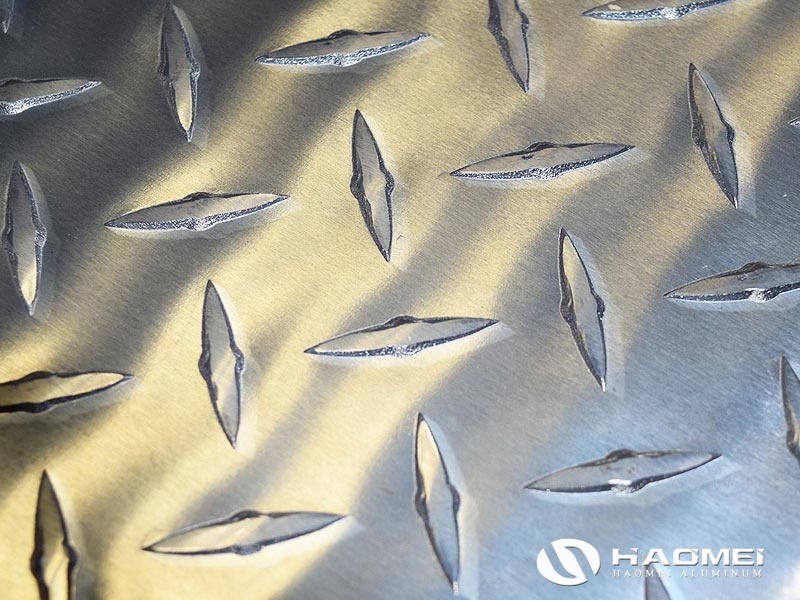
Pointer pattern aluminum sheet is produced by rolling aluminum coil or sheet through an embossing process that forms repeated raised pointers, bars, or directional tread elements. These raised sections increase friction between the material and footwear, wheels, equipment, or cargo. The base metal remains aluminum, so the product retains aluminum's low weight, weather resistance, and ease of fabrication.
The pattern also creates a practical visual benefit. Dirt, moisture, and minor scratches are less conspicuous than on plain mill-finish sheet. For vehicle floors, walkways, toolboxes, and protective wall panels, this can reduce the frequency of cosmetic maintenance while preserving a professional appearance.
Buyers comparing different tread designs can also review our diamond pattern aluminum sheet range for closely related embossed surface options.
Pointer pattern aluminum sheet can be supplied in coil, cut-to-length sheet, slit strip, and fabricated blank forms. The final specification should be selected according to loading conditions, forming needs, corrosion exposure, and the required panel dimensions.
Typical commercial specifications include:
Alloys: 1050, 1060, 1100, 3003, 3105, 5052, and 5754
Temper: H14, H22, H24, H32, H34, H114, or customized temper
Base thickness: Commonly 1.0 mm to 6.0 mm, with heavier gauges available for structural-duty applications
Width: Typically 1,000 mm, 1,220 mm, 1,250 mm, 1,500 mm, or custom slit width
Length: Standard sheets, cut-to-length panels, or coil supply
Surface finish: Mill finish, bright finish, brushed finish, anodized, painted, or powder-coated
Pattern: Pointer, bar, five-bar, diamond, checker, or customer-developed embossing profile
For general indoor flooring, decorative paneling, and light-duty enclosures, 1050 or 3003 alloy offers good formability and an economical cost structure. For truck bodies, marine-adjacent areas, loading platforms, and humid environments, 5052 or 5754 is usually the stronger choice because of its improved corrosion resistance and higher mechanical strength.
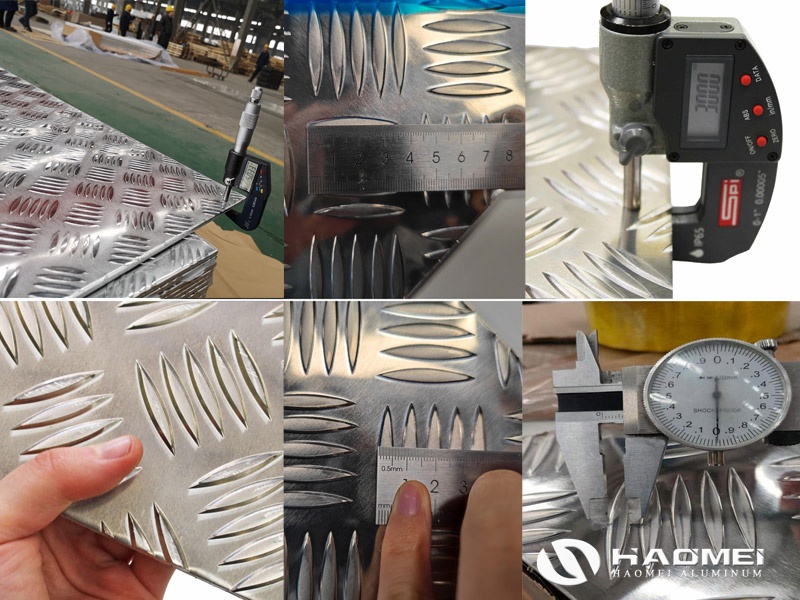
An important technical point is that thickness should be discussed as base thickness, not only total thickness including the raised pattern. When load capacity, weight calculation, or fabrication tolerance is critical, the buyer should specify both the nominal base gauge and acceptable pattern-height variation.
The primary advantage of pointer pattern aluminum sheet is its anti-slip surface. The raised pattern helps increase contact friction, particularly where light water, dust, or routine industrial contamination is present. It should not be treated as a substitute for engineered safety grating in every severe environment, but it is a highly effective solution for many walking and transport surfaces.
Its second advantage is weight efficiency. Aluminum weighs roughly one-third as much as steel, helping manufacturers reduce vehicle dead weight and improve handling during installation. This is particularly relevant for trailers, vans, service vehicles, portable equipment, and modular access systems.
Corrosion resistance is another major benefit. Aluminum naturally forms a protective oxide layer, which makes tread sheet suitable for outdoor use and many wet-service conditions. With 5052 or 5754 alloy, proper drainage design, and suitable fasteners, service life can be extended significantly in coastal or industrial locations.
Other practical advantages include:
Easy cutting, punching, bending, and riveting
Low maintenance compared with painted steel flooring
Recyclable material with strong residual value
Good heat and electrical conductivity where required
Decorative, durable texture for visible architectural surfaces
Pointer pattern aluminum sheet is used wherever a durable, non-slip, lightweight surface is required. Common applications include truck and trailer floors, bus steps, loading ramps, work platforms, stair treads, warehouse walkways, inspection paths, equipment guards, toolboxes, machine surrounds, and temporary access panels.
In construction and architecture, it is used for entrance flooring, wall cladding, elevator protection, decorative partitions, and service-room panels. In the marine and energy sectors, corrosion-resistant alloys are often selected for gangways, equipment covers, maintenance platforms, and non-structural flooring.
For buyers needing conventional raised-diamond products in standard and custom dimensions, our aluminum diamond plate selection provides additional alloy, finish, and sheet-format options.
Experience in tread plate production shows that embossing quality depends on more than the pattern roller. Stable incoming coil thickness, controlled rolling pressure, proper tension, and accurate leveling are essential to avoid uneven pattern depth, edge distortion, oil marks, or waviness. A visually attractive plate that lacks flatness can create installation problems and unnecessary fabrication waste.
When purchasing pointer pattern aluminum sheet, confirm the alloy and temper first, then define base thickness, pattern orientation, width, length tolerance, protective film requirements, and packing method. Export shipments should use moisture-resistant packaging, reinforced corners, separators where necessary, and secure wooden pallets or frames. These details help ensure the sheet reaches the destination with the same clean surface and consistent pattern produced at the mill.
For demanding projects, requesting a sample or confirming the technical data sheet before mass production is a practical way to align performance expectations with the intended application.