Pointer Embossed Aluminum Sheet
Oct-12-2026
Pointer embossed aluminum sheet is a durable, lightweight anti-slip aluminum product featuring raised directional or diamond-like pointer patterns. Also known in many markets as aluminum tread plate, checker plate, or diamond plate, it combines decorative appeal with practical surface grip. It is widely specified for transportation floors, stair treads, work platforms, toolboxes, marine decks, architectural protection, and equipment cladding.
From my experience working with aluminum sheet specifications, the embossed pattern is often treated as a visual detail during purchasing. In real applications, however, pattern definition, base-metal thickness, alloy selection, and temper have a direct effect on slip resistance, forming behavior, service life, and installation cost. A well-made pointer embossed aluminum sheet should provide clear, consistent raised pointers without excessive thinning of the base material.
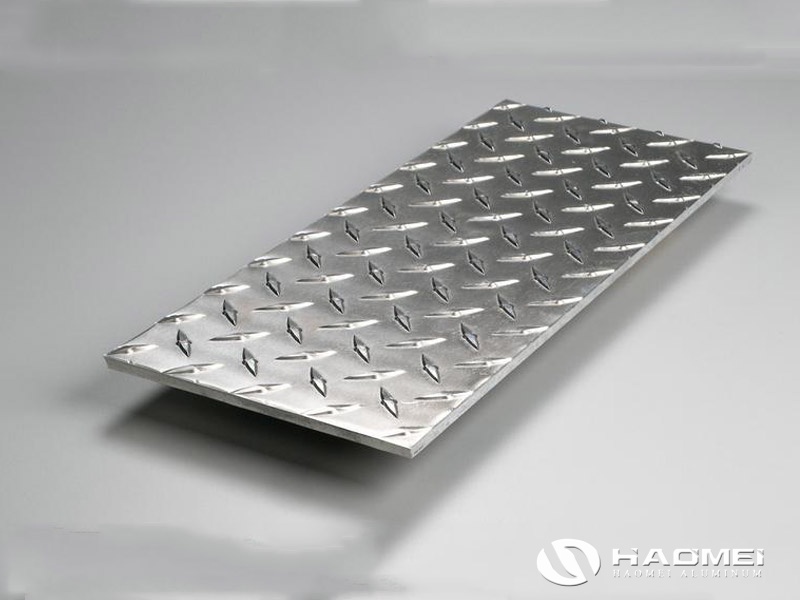
Pointer embossed aluminum sheet is produced by passing aluminum sheet or coil through an embossing mill with specially designed rolls. The rolls form a raised pointer pattern on one side of the material, while the reverse side is generally flat. Depending on the market and the roll design, patterns can resemble diamonds, pointers, five bars, lentils, or small directional arrows.
The raised pattern improves traction under normal foot traffic and helps conceal minor surface scratches. Compared with plain aluminum sheet, embossed material provides more visual depth and better practical performance in areas where wet shoes, oil, dust, or vibration may be present.
For projects requiring the classic raised-diamond surface, our aluminum diamond plate range provides additional pattern, thickness, and finish options for fabrication and flooring applications.
The correct alloy depends on whether the priority is corrosion resistance, strength, forming performance, welding, or cost control. The most common alloys are 1050, 1060, 1100, 3003, and 5052.
| Alloy | Main Characteristics | Recommended Uses |
|---|---|---|
| 1050 / 1060 | High aluminum purity, excellent corrosion resistance, very good formability | Decorative panels, light-duty cladding, interior protection |
| 1100 | Soft, easy to bend and process, good thermal and electrical conductivity | Insulation jackets, decorative fabrication, general-purpose panels |
| 3003 | Manganese-containing alloy with improved strength and good corrosion resistance | Trailer floors, stair treads, walkways, utility vehicles |
| 5052 | Magnesium alloy with superior marine corrosion resistance and higher strength | Marine decks, vehicle components, industrial platforms, wet environments |
In routine commercial orders, 3003 embossed aluminum is often the best balance between price, strength, and workability. It is a dependable choice for general flooring, truck bodies, and protective panels. For coastal, marine, or chemically humid environments, I normally recommend 5052 rather than making a decision solely on initial sheet cost. Its higher corrosion resistance can significantly reduce replacement and maintenance expenses over the operating life of the installation.
Pointer embossed aluminum sheet is commonly supplied in H114, H22, H24, H32, and H34 tempers. The selected temper influences hardness, bending behavior, flatness, and resistance to denting.
H114: A commonly supplied temper for embossed tread plate. It offers stable mechanical properties and is suitable for general anti-slip uses.
H22 / H24: Strain-hardened tempers with moderate hardness. They offer a useful balance between forming ability and dent resistance.
H32: Often used with 3003 and 5052 alloys where medium strength and good fabrication performance are needed.
H34: Harder than H32 and preferred where improved rigidity and surface durability are important.
For fabricated components, it is important to consider bend radius before selecting a harder temper. A sheet that performs perfectly as a flat truck-bed liner may crack at a tight bend if the temper is too hard. This is one reason why a supplier should understand the end-use process, not simply quote a thickness and pattern.
The raised pointer pattern creates friction between footwear, tires, or equipment and the aluminum surface. It is particularly valuable for steps, ramps, decks, and service platforms. The actual anti-slip performance depends on pattern height, spacing, surface cleanliness, moisture, and the direction of traffic.
Aluminum naturally forms a protective oxide layer, making pointer embossed aluminum sheet suitable for outdoor exposure and humid environments. 5052 provides particularly strong performance in saltwater and coastal conditions. For highly aggressive chemical environments, material selection should be verified against the specific chemical concentration and operating temperature.
Aluminum weighs approximately one-third as much as steel. This weight advantage is especially useful in vehicle bodies, trailers, ships, elevators, and mobile equipment, where every kilogram affects fuel use, payload, or handling efficiency.
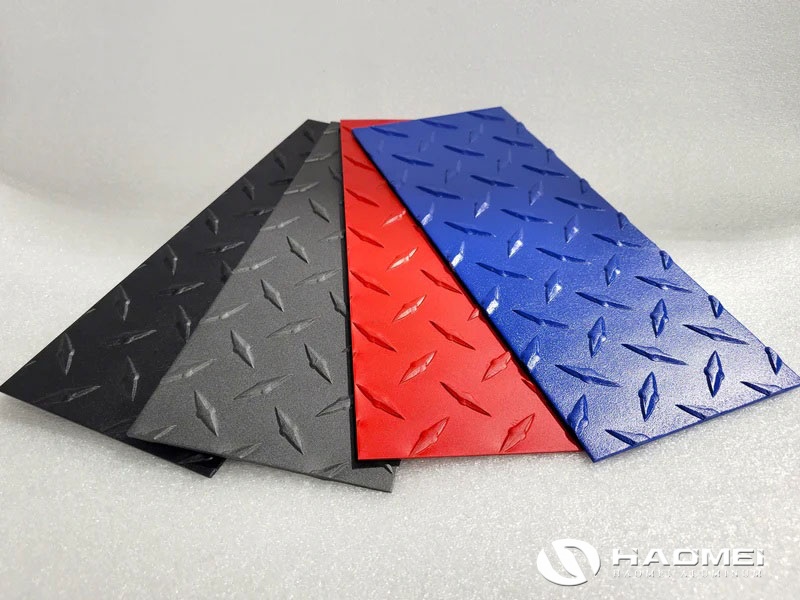
The embossed face has an industrial, modern appearance while reducing the visibility of handling marks. Mill finish is the most economical choice, while polished, anodized, painted, or black-coated finishes can be used where appearance is a higher priority.
Pointer embossed aluminum can be cut, drilled, riveted, screwed, and welded using suitable methods. Softer alloys such as 1050 and 1100 are easier to form, while 3003 and 5052 provide greater strength for demanding applications. When welding 5052, compatible filler wire and proper cleaning are important for sound weld quality.
Pointer embossed aluminum sheet is used across a broad range of industries:
Truck, trailer, and pickup bed liners
Bus, train, and commercial vehicle flooring
Stair treads, access ramps, walkways, and work platforms
Marine decks, gangways, dock equipment, and boat interiors
Toolboxes, storage cabinets, and equipment enclosures
Refrigeration units, elevator interiors, and warehouse protection panels
Architectural wall panels, kick plates, door protection, and decorative facades
Industrial machinery guards and maintenance access covers
For standard-size projects, a 4x8 aluminum diamond plate sheet is often an efficient choice because it reduces joining work and material waste in vehicle or platform fabrication.
Common thicknesses range from 1.0 mm to 6.0 mm, with heavier gauges available for structural or heavy-traffic purposes. Thin embossed aluminum is suitable for decorative cladding and wall protection, whereas 2.0 mm to 3.0 mm material is frequently selected for moderate-duty flooring. Thickness above 4.0 mm is typically considered for truck floors, ramps, industrial platforms, and areas exposed to heavier loads.
Buyers should confirm whether the requested thickness refers to the base sheet thickness or the total thickness including the raised pattern. This detail is important because it affects weight calculations, fit-up, and load-bearing expectations. I have seen avoidable disputes occur when a purchaser assumes that overall thickness is the same as base thickness.
Standard sheet sizes include 1000 x 2000 mm, 1250 x 2500 mm, 1500 x 3000 mm, and 4 x 8 ft. Coils can also be supplied for high-volume processing, especially for customers operating stamping, cutting, or roll-forming lines.
Professional sourcing should include more than checking alloy and thickness on a quotation. Key inspection items include pattern clarity, uniform embossing height, thickness tolerance, sheet flatness, edge quality, surface scratches, oil residue, and dimensional accuracy. For coil orders, coil ID, coil weight, winding direction, and protective packaging should also be confirmed.
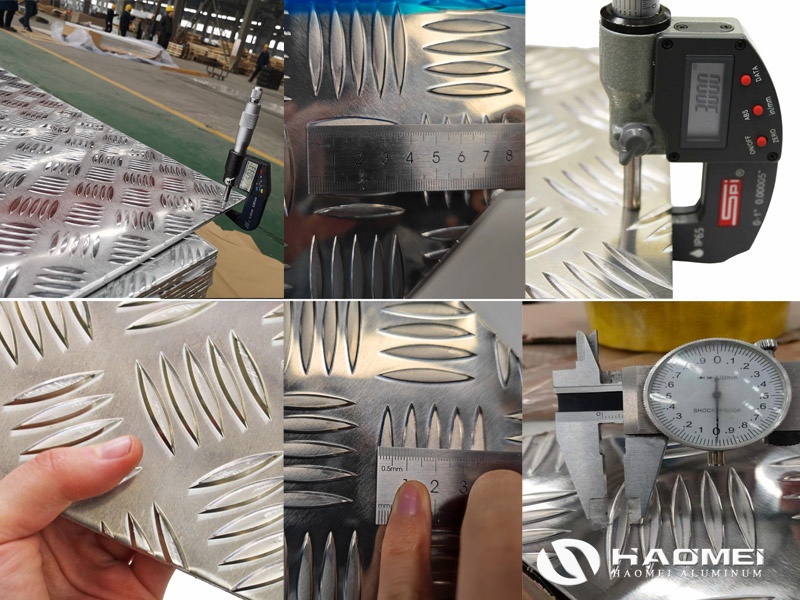
A reliable pointer embossed aluminum sheet should offer stable alloy chemistry, consistent temper, controlled mechanical properties, and dependable surface quality from the first sheet to the final sheet. Choosing the correct alloy-temper combination at the beginning is the most practical way to obtain safe, durable, and cost-effective performance in the field.