Diamond Tread Aluminum Plate
Oct-21-2026
A diamond tread aluminum plate is an embossed aluminum sheet or coil with a raised diamond pattern designed to improve slip resistance, durability, and visual appeal. It is widely used in transportation, flooring, toolboxes, stairs, trailers, marine equipment, and architectural protection. For importers and project buyers, selecting the right diamond tread aluminum plate involves more than choosing a thickness. Alloy, temper, tread height, surface finish, dimensional tolerance, and packaging all influence performance and total procurement cost.
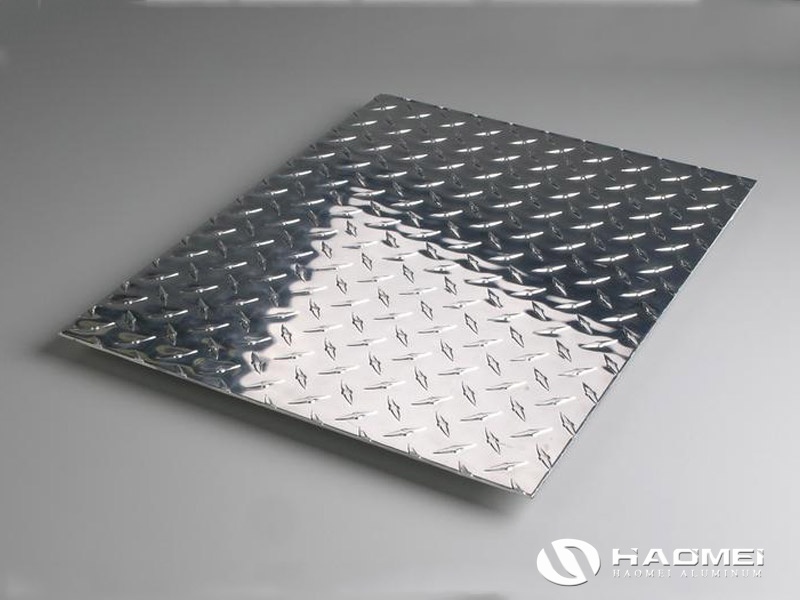
A diamond tread aluminum plate, also called aluminum diamond plate, checker plate, or tread plate, is produced by passing aluminum sheet through patterned rolls. The raised diamonds provide additional traction while retaining aluminum's low weight, corrosion resistance, and good formability. Compared with steel tread plate, a diamond tread aluminum plate is easier to handle, does not require galvanizing for many environments, and can reduce the weight of finished vehicles or equipment.
The pattern is functional, but it is also decorative. Bright mill finish products are common for utility trailers and industrial flooring, while painted, anodized, or black-coated versions are frequently selected for vehicle accessories, retail displays, and interior applications. Buyers should distinguish between the overall sheet thickness and the base thickness beneath the raised tread, especially when a project has structural or fabrication requirements.
The alloy grade determines how a diamond tread aluminum plate performs in forming, corrosion exposure, welding, and load-bearing service. The most commercially relevant options include the following:
3003 H22/H24: A widely used non-heat-treatable alloy with good corrosion resistance and formability. It is suitable for general flooring, wall protection, toolboxes, decorative panels, and trailer applications.
5052 H32/H34: Offers higher strength and superior resistance to marine or salt-laden environments. This diamond tread aluminum plate grade is preferred for boat decks, dock equipment, marine cabinets, and transportation components.
6061 T6: A heat-treatable alloy selected when higher mechanical strength is required. Its forming ability is lower than 3003 or 5052, but it can be suitable for fabricated industrial parts where strength is a priority.
For many export orders, 3003 and 5052 are the practical choices. A supplier should provide the alloy designation, temper, chemical composition, and mechanical-property documentation when requested. Material certificates are particularly important for distributors serving regulated transport, marine, or industrial markets.
Thickness selection should be based on the substrate, expected traffic, span, and fabrication method. Thin material may work well as a decorative skin bonded to a stable backing, while deck surfaces and equipment platforms usually require a heavier diamond tread aluminum plate.
Common nominal thicknesses include 0.025 inch, 0.040 inch, 0.063 inch, 0.080 inch, 0.100 inch, 0.125 inch, 0.190 inch, and 0.250 inch. In metric markets, 1.0 mm, 1.5 mm, 2.0 mm, 3.0 mm, 4.0 mm, and 5.0 mm are frequently requested. Standard widths often include 1,000 mm, 1,220 mm, 1,250 mm, 1,500 mm, and 2,000 mm, with cut sheets such as 4 x 8 feet and 4 x 10 feet serving North American buyers.
When ordering a 4x8 aluminum diamond plate, confirm whether the stated gauge refers to base metal thickness or the total thickness including the pattern. This detail helps fabricators calculate clearances, bend allowances, and final assembly dimensions accurately.
The surface of a diamond tread aluminum plate can be supplied in mill finish, polished finish, painted finish, anodized finish, or protective-film-covered finish. Mill finish is economical and appropriate for many industrial uses, but it may contain minor rolling marks consistent with standard production. Polished material offers stronger visual impact but needs more careful handling to avoid scratches during fabrication and installation.
Pattern definition should also be inspected. A consistent raised tread improves appearance and traction across the sheet. Excessively shallow, irregular, or flattened patterns can affect visual quality and may indicate unsuitable processing control. For repeat buyers, it is advisable to approve a sample showing the alloy, thickness, finish, and tread pattern before authorizing a full container order.
The versatility of diamond tread aluminum plate supports demand across several export-oriented industries:
Transportation: Trailer floors, truck bed liners, running boards, loading ramps, step boxes, and vehicle body protection.
Marine: Decking, gangways, access panels, lockers, dock accessories, and equipment housings made from corrosion-resistant 5052 material.
Industrial facilities: Walkways, stair treads, machine guards, wall cladding, maintenance platforms, and warehouse protection.
Construction and architecture: Decorative wall panels, elevator interiors, corner guards, kick plates, and temporary floor protection.
Consumer and utility products: Toolboxes, camper accessories, garage panels, cabinetry, retail fixtures, and DIY projects.
A diamond tread aluminum plate is not automatically a structural anti-slip solution in every condition. Oil, standing water, ice, cleaning chemicals, and high-heel traffic can change real-world traction. For safety-critical flooring, buyers should evaluate the full system, including slope, drainage, substrate rigidity, fastening, and local safety standards.
A well-specified diamond tread aluminum plate can be cut by shearing, sawing, laser cutting, waterjet cutting, or CNC routing. The best method depends on thickness, edge-quality requirements, production volume, and available equipment. Protective film is useful for polished or coated sheets, but it should be removed promptly after installation to prevent adhesive residue or uneven weathering.
When bending is needed, use a bend radius appropriate to the alloy and temper. Softer 3003 material generally forms more easily than 5052 or 6061. Raised patterns may affect bend appearance, so trial bends are recommended for visible components. For fastening, aluminum-compatible fasteners and isolation methods should be considered where the plate contacts carbon steel, particularly in humid or marine environments. This reduces the risk of galvanic corrosion.
Buyers needing sheet formats for fabrication projects can compare diamond plate aluminum sheet options by base thickness, alloy, and finish rather than relying only on a product name.
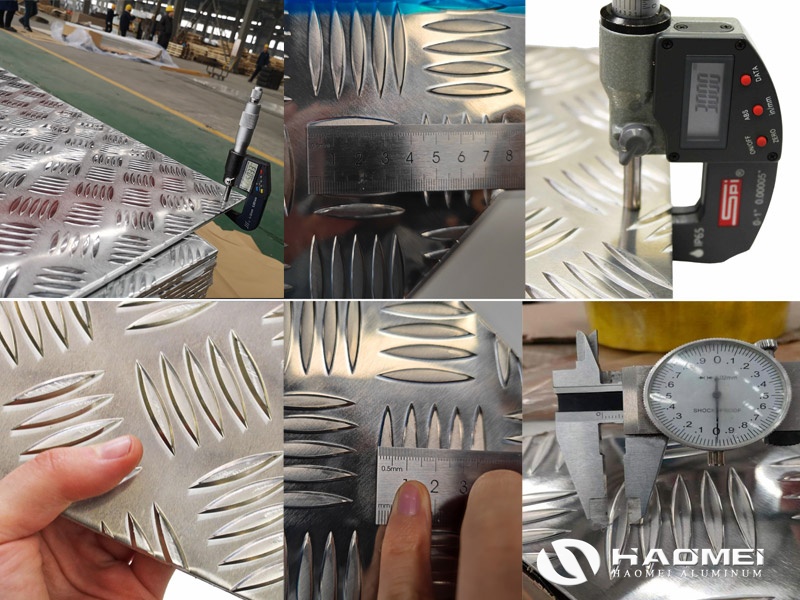
For a diamond tread aluminum plate shipment, a practical inspection plan should include alloy verification, thickness measurement, width and length checks, diagonal measurement for squareness, tread consistency, surface condition, and package integrity. Thickness should be measured away from the raised diamonds unless the contract explicitly specifies total thickness.
Export packaging deserves equal attention. Sheets are normally interleaved with paper or film, protected with edge guards, placed on fumigated wooden pallets or steel skids, and secured with moisture-resistant wrapping. Coils require stable eye-to-wall or eye-to-sky packaging according to customer unloading methods. For sea freight, desiccants and sealed packaging help reduce moisture-related staining during long transit periods.
Documentation may include a commercial invoice, packing list, bill of lading, certificate of origin, mill test certificate, and third-party inspection report when contractually required. Clear labeling by alloy, size, thickness, lot number, and quantity makes warehouse receiving more efficient for overseas distributors.
The price of diamond tread aluminum plate is influenced by aluminum ingot movements, alloying elements, conversion cost, pattern rolling capacity, finish requirements, packing standards, and freight conditions. Buyers comparing offers should normalize quotations to the same Incoterm, alloy, temper, base thickness, dimensions, and packaging. A low price can become costly if it excludes protective film, custom cutting, export-grade packing, or inspection requirements.
China remains an important supply base because mills and processors can offer broad dimensional ranges, coil-to-sheet conversion, and flexible order quantities. However, reliable sourcing depends on technical clarity. Purchase specifications should state the applicable standard, alloy and temper, base thickness tolerance, sheet dimensions, allowable burr condition, finish, protective film requirement, packaging method, and required certificates.
For distributors, carrying a balanced inventory of common 3003 and 5052 diamond tread aluminum plate sizes can shorten lead times for trailer builders, metal fabricators, and maintenance contractors. For project orders, custom cut-to-length sheets may reduce scrap and downstream processing time. The best sourcing decision is usually the one that balances material suitability, repeatable quality, shipment protection, and dependable delivery performance.
A properly selected diamond tread aluminum plate provides a durable, lightweight, and visually recognizable surface solution across transport, marine, industrial, and architectural markets. Careful specification at the purchasing stage helps ensure that the delivered material performs as expected from warehouse receiving through final installation.