Thin Diamond Plate Aluminum Sheets
Jul-28-2026
Thin diamond plate aluminum sheets are widely used where light weight, corrosion resistance, visual appeal, and improved surface grip must be balanced in one material. For distributors, fabricators, trailer builders, interior contractors, and equipment manufacturers, thin diamond plate aluminum sheets offer a practical alternative to heavier steel checker plate while still delivering a durable embossed tread surface.
As an aluminum tread plate exporter, I often see overseas buyers focus only on price per sheet. That is understandable, but the better purchasing decision depends on alloy, temper, thickness tolerance, surface finish, packing method, and end-use environment. This guide explains how thin diamond plate aluminum sheets are specified, where they perform best, and what buyers should check before placing an international order.
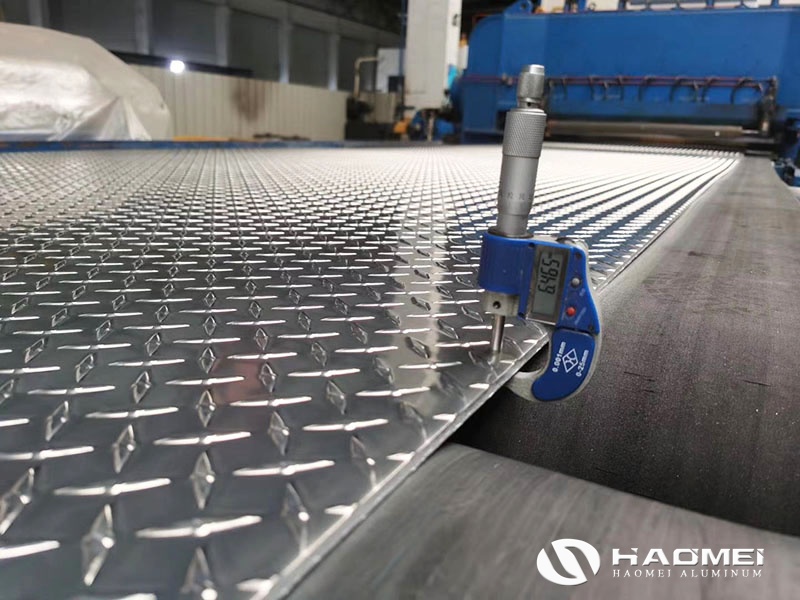
Thin diamond plate aluminum sheets are flat aluminum sheets with a raised diamond or checker pattern rolled into the surface. The pattern improves slip resistance, increases surface rigidity, and provides a bright industrial appearance. In most export markets, the word thin generally refers to tread sheets from about 0.8 mm to 2.5 mm base thickness, depending on application and regional buying habits.
Unlike thick structural tread plate, thin diamond plate aluminum sheets are usually selected for wall protection, vehicle trim, tool boxes, decorative panels, light-duty flooring, refrigeration interiors, and commercial fit-out projects. They are easier to cut, bend, drill, rivet, and install than thick plate, reducing fabrication time and transportation cost.
For buyers comparing gauges and pattern options, product families such as Thin Aluminum Diamond Plate are especially relevant when weight saving and flexible processing are priorities.
The performance of thin diamond plate aluminum sheets depends strongly on alloy selection. The most common choices are 3003, 3105, 5052, and sometimes 6061 for more demanding mechanical requirements.
3003 aluminum is one of the most popular alloys for thin diamond plate aluminum sheets. It offers good corrosion resistance, excellent formability, and stable surface quality. It is suitable for decorative panels, trailer interiors, stair trim, garage wall protection, and general light-duty use.
5052 aluminum provides higher strength and better marine corrosion resistance. Buyers in coastal markets, ship outfitting, food vehicles, and outdoor equipment often prefer 5052 thin diamond plate aluminum sheets because magnesium alloying improves durability in humid or salty environments.
6061 aluminum is stronger but less formable than 3003 and 5052. It is less common in very thin tread sheet, but it may be considered for components that require higher structural performance after fabrication. However, for many commercial applications, 3003 and 5052 thin diamond plate aluminum sheets provide a more balanced cost-performance ratio.
When sourcing thin diamond plate aluminum sheets, thickness must be clearly defined. Buyers should specify whether the requested thickness refers to base metal thickness excluding the raised pattern or overall thickness including the diamond height. Misunderstanding this point can lead to disputes during receiving inspection.
Typical export specifications include 0.8 mm, 1.0 mm, 1.2 mm, 1.5 mm, 2.0 mm, and 2.5 mm base thickness. Common sheet sizes include 1000 x 2000 mm, 1220 x 2440 mm, 1250 x 2500 mm, and 1500 x 3000 mm. North American customers often request 4 x 8 ft sheets, while European and Middle Eastern distributors may prefer metric dimensions.
The raised diamond pattern usually adds stiffness and traction, but thin diamond plate aluminum sheets should not be treated as heavy structural flooring unless the supporting frame and load requirements are engineered correctly. For pedestrian panels, interior trim, vehicle skins, and kick plates, thin gauges are efficient. For high-load industrial floors, thicker aluminum tread plate may be necessary.
Surface finish affects both appearance and service life. Mill finish is the most common option for thin diamond plate aluminum sheets. It has a natural metallic surface and is cost-effective for industrial use. Bright finish or polished finish provides a more reflective surface for decorative applications, retail displays, tool boxes, and vehicle accessories.
Anodized or color-coated options are also available for projects requiring improved surface protection or a specific design language. Black, silver, and custom colors are popular in architectural interiors, commercial kitchens, elevators, and shopfitting. Buyers should confirm whether the coating is applied before or after embossing, as this influences appearance around the raised diamond pattern.
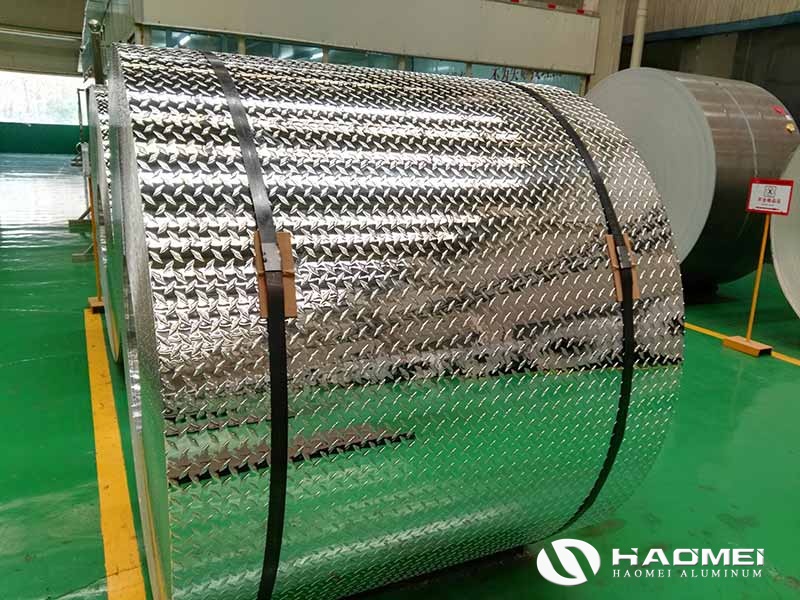
High-quality thin diamond plate aluminum sheets are produced through controlled rolling and embossing. Coil quality, lubrication, roll condition, and pattern alignment all affect the final product. A consistent diamond pattern is not only a visual requirement; it also indicates stable processing and helps panels fit together neatly during installation.
Important inspection items include:
| Inspection Item | Why It Matters |
|---|---|
| Alloy certificate | Confirms chemical composition and grade |
| Base thickness tolerance | Controls weight, strength, and cost |
| Sheet flatness | Reduces installation problems |
| Pattern clarity | Improves appearance and grip consistency |
| Surface scratches | Affects decorative value and resale quality |
| Edge condition | Supports safe handling and fabrication |
| Packing moisture protection | Prevents oxidation during sea transport |
For distributors, repeatable quality is more important than a single low-cost shipment. Thin diamond plate aluminum sheets may be sold directly to workshops and end users, so visible defects can increase complaint rates and reduce market trust.
Thin diamond plate aluminum sheets solve several practical problems across industries. In transportation, they are used for trailer walls, truck tool boxes, van interiors, mudguards, and step panels. Their low weight helps reduce vehicle mass, while the raised pattern protects surfaces from impact and abrasion.
In construction and decoration, thin diamond plate aluminum sheets work well as wall guards, corner protectors, elevator panels, stair risers, and garage interiors. The metallic checker pattern gives a clean industrial look without the maintenance burden of painted steel.
In food trucks and service vehicles, corrosion resistance and easy cleaning are key advantages. When 5052 alloy is selected, thin diamond plate aluminum sheets can handle moisture and frequent washing better than many carbon steel alternatives. In marine and coastal settings, buyers should also consider protective film, anodizing, or appropriate cleaning schedules to extend surface life.
For buyers needing standard sheet formats, Diamond Plate Aluminum Sheet specifications can be matched to common fabrication equipment and regional resale sizes.
Demand for thin diamond plate aluminum sheets remains strong in North America, Europe, the Middle East, Southeast Asia, Australia, and South America. Market preference varies by region. North American customers frequently request bright or mill finish sheets in 4 x 8 ft size. European buyers often focus on EN-standard alloy references, precise tolerance, and protective film. Middle Eastern buyers may prioritize corrosion resistance, container loading efficiency, and fast delivery for construction projects.
Another trend is the growth of small-batch customization. Distributors are no longer buying only standard mill finish material. They increasingly request cut-to-size sheets, PVC film, black coated surfaces, polished finishes, and mixed thicknesses in one container. Export suppliers who can manage flexible production and stable packaging are better positioned to serve these markets.
The price of thin diamond plate aluminum sheets is influenced by aluminum ingot cost, alloy grade, thickness, width, finish, order quantity, packing requirements, and freight conditions. Because thin sheets have higher surface area per ton, surface quality and packaging can add meaningful cost. A lower quote may not be better if it includes wider tolerance, weak packing, or inconsistent pattern quality.
Buyers should compare offers using a complete specification, not just a unit price. A professional inquiry should include alloy, temper, base thickness, sheet size, pattern type, finish, protective film requirement, quantity, destination port, and inspection standard. This allows suppliers to calculate accurately and reduces the chance of later price adjustments.
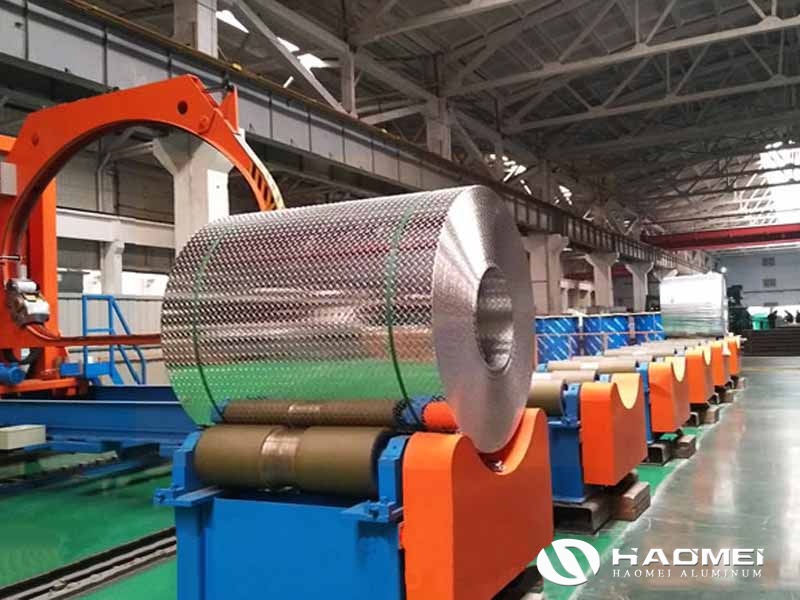
Thin diamond plate aluminum sheets need careful export packaging because they can be scratched or bent during long-distance transport. Standard seaworthy packing normally includes paper interleaving or plastic film, moisture barrier, wooden pallets or cases, steel straps, edge protection, and clear shipping marks.
For humid routes or long storage periods, desiccants and stronger waterproof wrapping are recommended. If customers plan to resell individual sheets, protective film on the surface can improve shelf appearance. However, film adhesion must be suitable for the surface finish and storage temperature, especially in hot climates.
Container loading should also be reviewed. Thin diamond plate aluminum sheets can be packed horizontally on pallets, but pallet height and forklift handling must be controlled to avoid bending. Exporters should provide packing photos, mill test certificates, and weight lists before shipment.
Before confirming an order for thin diamond plate aluminum sheets, buyers should ask these questions:
Is the thickness measured as base thickness or overall thickness?
Which alloy and temper best fit the environment and fabrication process?
Is the surface mill finish, bright finish, polished, anodized, or color coated?
Are the sheets for decoration, light-duty flooring, vehicle use, or marine exposure?
What flatness and thickness tolerances are acceptable?
Is protective film required for resale or installation?
How will the supplier prevent moisture stains during sea freight?
Can the supplier provide certificates, photos, and pre-shipment inspection support?
Thin diamond plate aluminum sheets are a versatile material when the specification is clear and the supplier understands export quality control. For overseas distributors and industrial users, the best value comes from matching alloy, gauge, finish, and packing to the real application rather than selecting only the lowest price. With the right technical communication, thin diamond plate aluminum sheets can deliver reliable performance, attractive appearance, and efficient logistics across global markets.