Stucco Embossed Aluminum Coil Exporter
Mar-23-2026
Choosing a stucco embossed aluminum coil exporter is not just a sourcing decision; it is a risk-management decision that affects forming yield, corrosion performance, and total landed cost. A qualified stucco embossed aluminum coil exporter should be able to translate your end-use (jacketing, refrigeration panels, truck bodies, cladding, or insulation) into clear coil specifications, stable process control, and export-ready packaging.
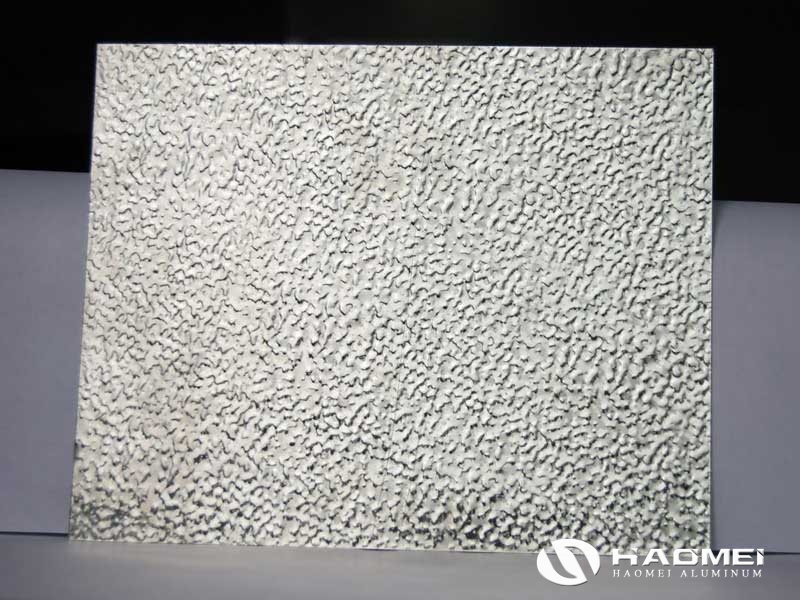
A reliable stucco embossed aluminum coil exporter will ask for more than thickness and width. From an engineering and export consulting standpoint, the fastest way to prevent claims is to align on the following items up front:
Application and environment: indoor vs coastal vs chemical exposure, and whether galvanic contact is expected.
Alloy and temper: strength, bend radius, and dent resistance depend heavily on temper selection.
Embossing pattern and depth: "stucco" can vary by mill; define target texture, gloss, and appearance tolerance.
Coating or bare: mill finish, anodized, PVDF, PE, or pre-painted systems, plus color tolerance.
Forming route: roll forming, stamping, deep draw, or simple wrapping for insulation jacketing.
Quality documentation: inspection standard, MTC/CoC requirements, and traceability.
When a stucco embossed aluminum coil exporter does this consistently, the quotation becomes a technical proposal rather than a price-only bid.
In most markets, stucco embossed coil is specified around common aluminum families, and a capable stucco embossed aluminum coil exporter should help you match them to performance needs:
1xxx series (e.g., 1050/1060/1100): high formability and excellent thermal conductivity, often used for insulation jacketing and general cladding.
3xxx series (e.g., 3003/3105): better strength and dent resistance, widely used for HVAC and building envelope accessories.
5xxx series (e.g., 5052): higher strength and marine resistance, used where impact resistance and corrosion performance are critical.
Temper guidance (practical export view):
O (annealed): easiest forming and wrapping; lower strength.
H14/H24: balanced stiffness and formability; common for jacketing and cladding.
H18/H19: higher hardness; more dent-resistant but less tolerant of tight bends.
A professional stucco embossed aluminum coil exporter will also confirm whether embossing is performed before or after coating and how that choice affects appearance and micro-cracking risk on bends.
Disputes in international coil trade rarely come from "wrong alloy"; they more often come from tolerance interpretation. A detail-oriented stucco embossed aluminum coil exporter will lock down:
Thickness range and tolerance (including coating thickness if pre-painted).
Width tolerance and edge condition (slit edge quality, burr limits).
Coil ID/OD and coil weight to fit your decoiler and warehouse handling.
Camber, flatness, and residual stress for roll forming stability.
Surface requirements: acceptable roll marks, oil level, and emboss uniformity.
If your process is sensitive, ask your stucco embossed aluminum coil exporter for trial coils or pre-shipment sample panels with measured emboss depth and gloss.
For many buyers, "stucco embossed" is chosen to hide minor scratches and improve aesthetics, but coating choice still determines outdoor durability.
A strong stucco embossed aluminum coil exporter typically supports these options:
Mill finish (bare): cost-effective; best for indoor jacketing and applications with additional protection.
PE (polyester) coating: good for general exterior use with controlled UV exposure.
PVDF coating: preferred for high-UV regions and long service life requirements.
Also confirm the protective film type and adhesion. A stucco embossed aluminum coil exporter should specify whether film is suitable for forming and how long it can remain on the coil before residue becomes a risk.
From a buyer's audit perspective, the difference between a trading quote and a dependable stucco embossed aluminum coil exporter is process transparency. Look for these control points:
Incoming slab/coil traceability and batch identification.
Embossing roll maintenance (wear changes pattern sharpness and repeatability).
Tension control during embossing to prevent thickness variation and waviness.
Coating line QC if painted: color delta, gloss, pencil hardness, T-bend, and adhesion.
Final inspection: thickness mapping, width checks, visual grading, and packaging photos.
If you are sourcing for appliance skins or refrigeration panels, insist your stucco embossed aluminum coil exporter can provide consistent appearance across lots, not only "within one coil."
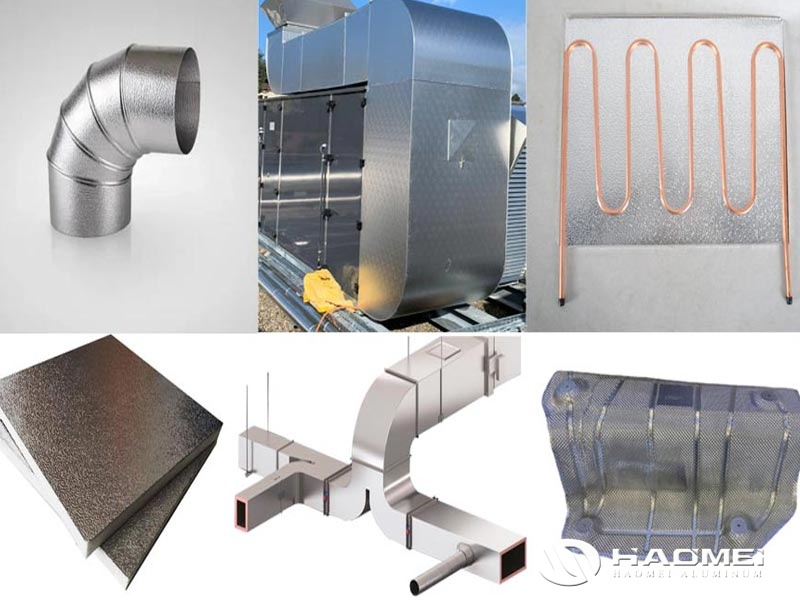
Different end-uses reward different spec priorities. A consultative stucco embossed aluminum coil exporter will propose adjustments that improve your processing yield.
Here, corrosion behavior, wrap integrity, and handling resistance matter most. Many buyers also cross-spec sheets and coils. If you also purchase flat stock, align coil specs with compatible Stucco Embossed Aluminum Sheet requirements to avoid mixed appearance and inconsistent emboss depth.
Practical tips:
Consider slightly higher hardness for dent resistance during installation.
Confirm compatibility with fastening systems and sealants.
Appearance consistency is critical. A stucco embossed aluminum coil exporter should support color control and protective film selection to prevent micro-scratches during stamping and assembly.
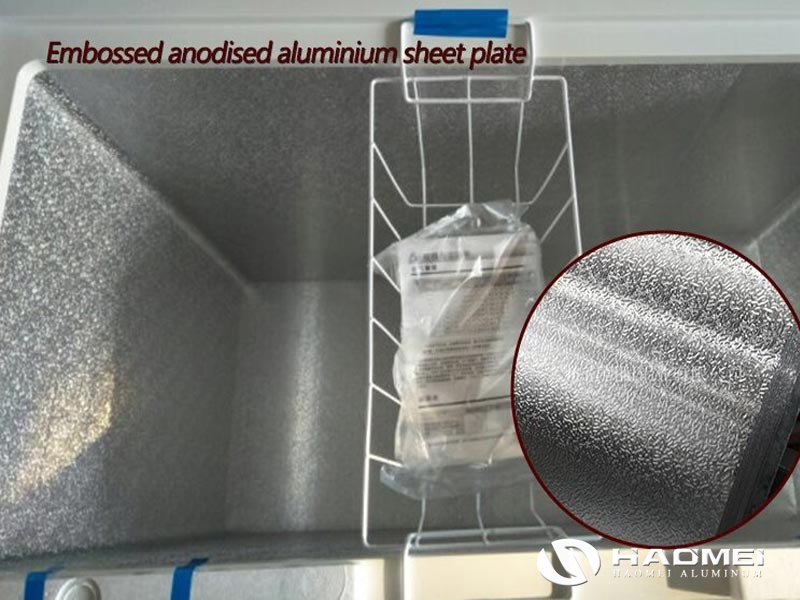
Practical tips:
Specify gloss range and acceptable pattern variation.
Require packaging that prevents coil edge damage (a common cause of downstream rejects).
UV durability and coating system dominate total cost of ownership. Many projects also use dedicated cladding products; if applicable, align the coil supply with Stucco Embossed Aluminium Cladding expectations for coating, color tolerance, and weathering.
Export success depends on preventing transit corrosion, deformation, and paperwork delays. A seasoned stucco embossed aluminum coil exporter typically standardizes:
Seaworthy packing: moisture barrier, desiccant, edge protectors, and strong pallets or skids.
Anti-rust strategy: VCI where appropriate, controlled oiling, and clear storage instructions.
Container loading plan: blocking and bracing to prevent coil movement and telescoping.
Marking: coil tag data matching documents (alloy, temper, size, net/gross, heat number).
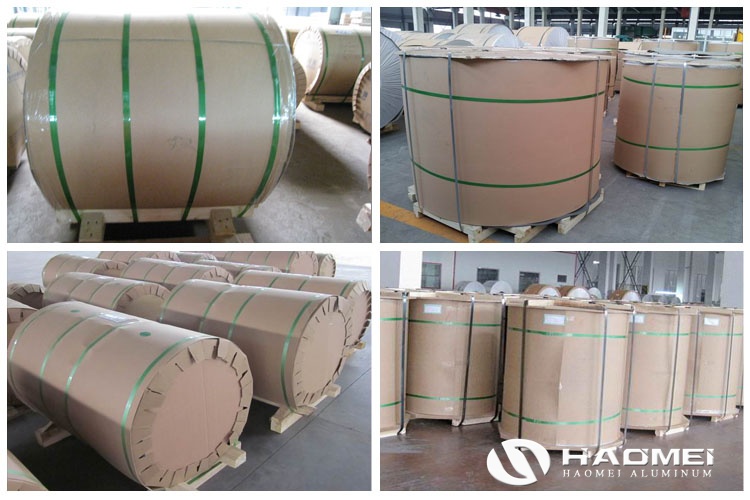
From a claims perspective, ask your stucco embossed aluminum coil exporter to provide pre-shipment packing photos and a loading checklist. This is a low-cost habit that reduces disputes dramatically.
A professional stucco embossed aluminum coil exporter should be comfortable with the documentation your region expects:
Mill Test Certificate (MTC) with chemistry and mechanical properties.
Certificate of Conformance to agreed standards.
Coating test reports when painted.
Third-party inspection support (SGS, BV, or customer-nominated inspectors) when required.
If you distribute across multiple countries, standardize your incoming inspection plan and share it with the stucco embossed aluminum coil exporter. Aligning measurement tools and acceptance criteria prevents "pass at origin, fail at destination" situations.
Global aluminum coil trade is sensitive to both commodity dynamics and manufacturing capacity. A realistic stucco embossed aluminum coil exporter will explain price movements in terms of:
Primary aluminum price and regional premiums.
Conversion cost: embossing, slitting, coating, and inspection.
Packaging and freight: container availability, route volatility, and seasonal congestion.
Order complexity: mixed widths, small lots, strict appearance standards.
For planning, treat lead time as a combination of raw material allocation, production scheduling, QC release, and port operations. A dependable stucco embossed aluminum coil exporter will offer a production timeline with hold points (approval sample, coating confirmation, packing release).
When you cannot do an in-person audit, you can still qualify a stucco embossed aluminum coil exporter with a structured checklist:
Specification clarity: do they propose a complete spec sheet or only quote basic dimensions?
Lot consistency evidence: recent inspection records, emboss roll records, coating QC trends.
Packaging standard: written packing specification and photos from recent shipments.
Communication discipline: confirmed tolerances, document templates, and change control.
After-sales process: a defined claims procedure with timelines and evidence requirements.
The exporters that perform best long-term are those who treat your coil as an engineered input to your production line, not a commodity that only needs to be shipped.
A strategic relationship with a stucco embossed aluminum coil exporter should reduce your total cost through fewer rejects, faster clearance, and more stable scheduling. Practical mechanisms include:
Approved specification library for recurring SKUs.
Pre-shipment sampling for appearance-sensitive applications.
Agreed packing standard by destination climate and transit time.
Forecast-based production slots to stabilize lead times.
If you approach sourcing this way, the stucco embossed aluminum coil exporter becomes a supply partner that helps protect margins and customer satisfaction across diverse international markets.