Rhombus Pattern Aluminum Embossed Sheet Supplier
May-22-2026
When customers search for a reliable rhombus pattern aluminum embossed sheet supplier, they are usually looking for more than a decorative metal surface. In my experience in the aluminum industry, buyers care about three things most: stable quality, accurate alloy selection, and pricing that matches the real market rather than an unrealistic quote that causes problems later. Rhombus pattern aluminum embossed sheet, often associated with anti-slip, decorative, and protective uses, is a practical product with strong market demand across transport, construction, machinery, refrigeration, and interior finishing.
Our rhombus pattern aluminum embossed sheet is produced with strict control over base material quality, embossing depth, flatness, thickness tolerance, and surface consistency. For customers comparing embossed products, it is important to understand that pattern type, alloy, temper, and final application are all closely linked. A sheet that performs well for trailer flooring may not be the right option for architectural wall panels or appliance panels.
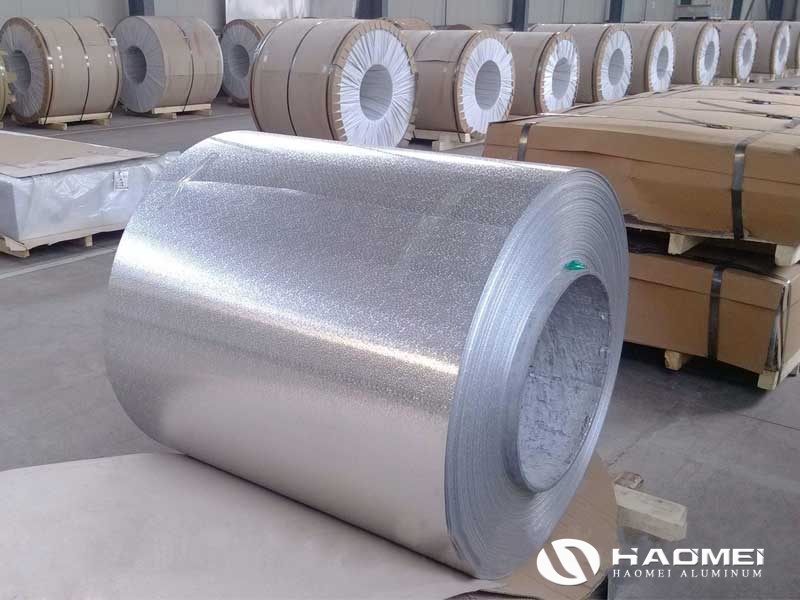
Rhombus pattern aluminum embossed sheet is an aluminum sheet or plate processed through embossing rollers to form a raised rhombus or diamond-like surface texture. This pattern improves slip resistance, increases surface rigidity, enhances appearance, and helps hide scratches or handling marks during use.
In the market, some buyers use the terms rhombus pattern, diamond pattern, or embossed anti-slip aluminum sheet interchangeably. There can be small differences in pattern geometry depending on the production line and regional naming habits, but the core function remains similar. For buyers also evaluating close alternatives, our Diamond Embossed Aluminum Sheet range is often discussed for anti-skid and industrial platform applications.
Choosing the right alloy is the first step in product performance. Based on industry demand and processing experience, the most common alloys include 1050, 1060, 1100, 3003, 3004, 3105, 5052, and 5754.
These are commercially pure aluminum alloys with high aluminum content and excellent corrosion resistance. They are easy to process and relatively cost-effective.
Best for:
Decorative panels
Insulation cladding
Appliance shells
Interior trim
Key features:
Good thermal conductivity
Excellent workability
Lower strength than alloyed grades
Attractive for projects with tight budgets
From a pricing perspective, 1xxx series embossed sheets are often the most competitive option when customers prioritize formability and corrosion resistance over heavy structural strength.
This group is one of the most widely used in embossed aluminum products. 3003 is especially popular because it offers a very balanced combination of strength, corrosion resistance, and forming performance.
Best for:
Wall panels
Vehicle interiors
Cold storage panels
General industrial covering
Key features:
Better strength than 1xxx series
Good weldability
Good corrosion resistance
Stable embossing performance
If a customer asks me for the safest general-purpose recommendation, 3003 embossed sheet is usually at the top of the list.
For more demanding applications, especially where anti-slip performance and higher mechanical strength are important, 5xxx series alloys are preferred.
Best for:
Flooring
Truck bodies
Marine environments
Platforms and stair treads
Key features:
Higher strength
Strong corrosion resistance, especially in humid or marine conditions
Good fatigue resistance
Suitable for more severe service environments
In practical procurement, 5052 rhombus embossed sheet is often selected when customers need a product that can handle repeated loading, foot traffic, or outdoor exposure.
Temper selection affects hardness, formability, and service performance. The common tempers for rhombus pattern aluminum embossed sheet include:
| Temper | Characteristics | Typical Use |
|---|---|---|
| O | Soft, fully annealed, excellent formability | Deep processing, decorative parts |
| H14 | Strain hardened, moderate strength | General panels, cladding |
| H24 | Strain hardened and partially annealed | Better balance of strength and forming |
| H32 | Stable strength and corrosion resistance | Flooring, transport, industrial use |
| H34 | Higher hardness | Heavy-duty anti-slip applications |
For many customers, H14 and H24 are practical choices for general embossed sheet, while H32 is often more suitable for 5xxx alloy sheets used in industrial flooring or transport equipment.
A professional supplier should not only offer material but also help buyers match properties to end use. The main properties include:
The raised rhombus pattern creates additional friction, making the sheet suitable for walkways, stair covers, vehicle floors, and work platforms.
Aluminum naturally forms a protective oxide film. With the right alloy, rhombus embossed sheet performs very well in outdoor, humid, and even lightly corrosive environments.
Compared with steel, aluminum provides major weight savings. This is especially valuable in trailers, commercial vehicles, ships, elevators, and movable structures.
The embossed surface gives the sheet a modern, industrial, and professional appearance while reducing the visual impact of scratches and dents.
Depending on alloy and temper, the material can be cut, bent, stamped, drilled, and fabricated into different finished components.
The textured surface is durable and easy to clean, which is one reason embossed aluminum remains popular in industrial and commercial settings.
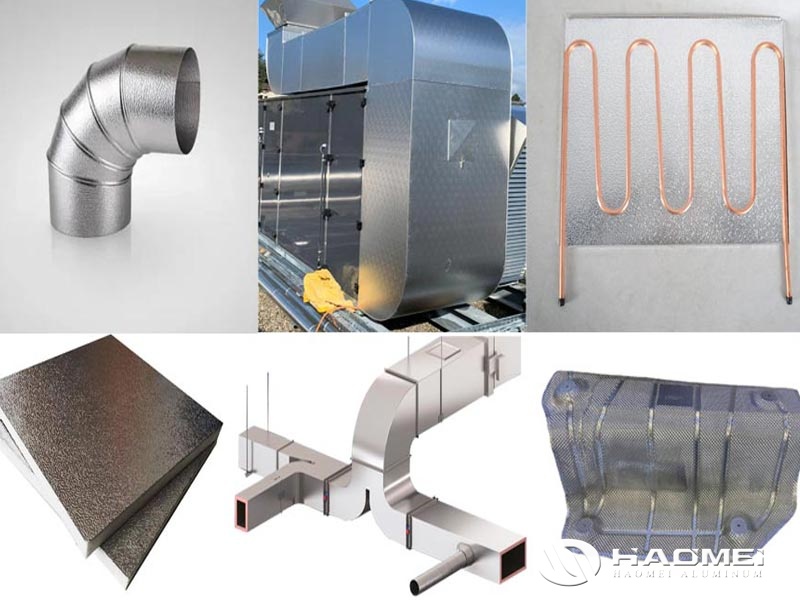
In this market, the difference between a trader-only quotation and a true supplier solution can be significant. A professional supplier adds value in several ways.
Embossed products start with the base sheet. If the substrate thickness is unstable or the chemistry is poorly controlled, the final embossed sheet will show defects in pattern uniformity, flatness, and mechanical performance.
Pattern clarity matters. Too shallow, and anti-slip performance suffers. Too aggressive, and forming may become more difficult or the sheet may show stress issues during fabrication.
For OEM buyers, especially in transport or equipment manufacturing, stable thickness and width tolerances reduce downstream waste and improve assembly efficiency.
Some customers need full-size sheets, while others want coils for continuous processing. We also support related embossed products such as Embossed Aluminum Coil for customers with roll-forming or automated production requirements.
This is where experience matters. Aluminum prices are affected by ingot fluctuations, alloy premiums, energy costs, rolling schedules, and export freight. A serious supplier does not simply offer the lowest number. Instead, we help customers secure the right material at a sustainable price level, which is far more important for repeat orders and delivery stability.
Rhombus pattern aluminum embossed sheet is used in a wide range of sectors:
Truck floors and trailer decks
Bus, rail, and vehicle interior panels
Stair treads and pedestrian walkways
Platform covers and industrial flooring
Elevator interior decoration
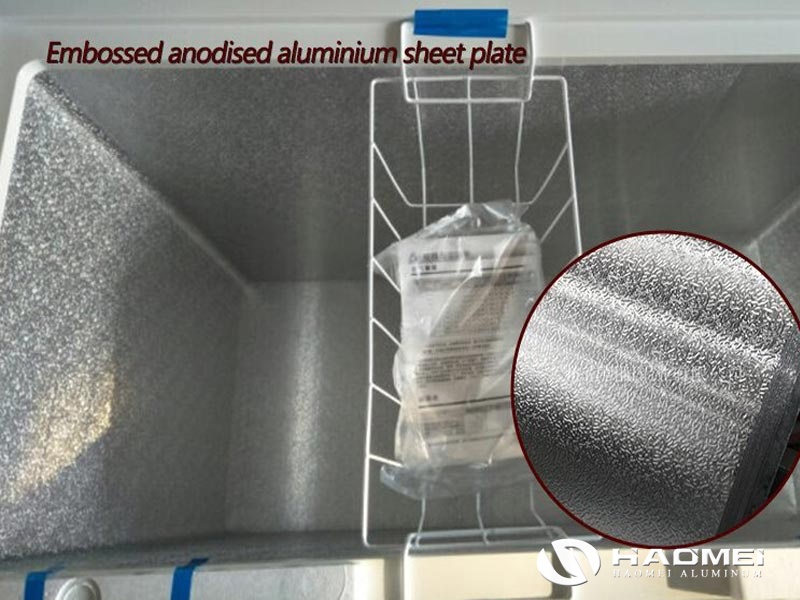
Refrigeration and appliance panels
Building facades and wall protection panels
Marine deck and equipment covers
Toolboxes and protective enclosures
For appliance and thermal management uses, embossed aluminum is also valued for appearance and heat transfer efficiency.
In real business discussions, I usually begin with five questions:
Is the sheet for decoration, anti-slip, or structural support?
Will it be used indoors, outdoors, or in marine conditions?
Does the customer need bending or further fabrication?
Is weight reduction a key target?
Is the priority lowest cost, longest life, or best appearance?
If the project is decorative and cost-sensitive, 1050 or 1060 may be suitable. If the application is more general industrial or architectural, 3003 is often the best balance. If durability and anti-slip strength are the focus, 5052 or 5754 is usually a better long-term solution.
A dependable rhombus pattern aluminum embossed sheet supplier should support more than standard inventory. We can provide:
Multiple alloy options
Various tempers
Customized thickness and width
Protective film if required
Cut-to-length processing
Surface finish control
Export packaging for container or bulk shipment
This matters because many buyers are not purchasing a generic sheet. They are buying a material that must fit a fabrication process, a compliance standard, and a target cost structure.
From my perspective, embossed aluminum remains one of the most practical value-added products in the sheet market. It offers a strong combination of light weight, corrosion resistance, visual appeal, and surface functionality. Rhombus pattern designs, in particular, continue to perform well because they meet both technical and aesthetic demands.
For distributors, fabricators, and end users, the best supplier is not simply the one with stock. It is the one who understands alloy behavior, temper selection, pattern performance, packaging, and market timing. That is the difference between buying metal and buying a dependable product solution.
If you are sourcing rhombus pattern aluminum embossed sheet for industrial, architectural, transportation, or equipment applications, selecting the right alloy and temper at the beginning will save time, reduce downstream issues, and improve the overall project result.