Diamond Plate Aluminum Sheets for Sale
Oct-26-2026
Diamond plate aluminum sheets for sale remain a practical material choice for manufacturers, fabricators, vehicle builders, and maintenance teams that need a lightweight surface with visible tread and dependable durability. Also known as aluminum checker plate or tread plate, this material combines corrosion resistance with a raised diamond pattern designed to improve footing and protect underlying surfaces from daily wear.
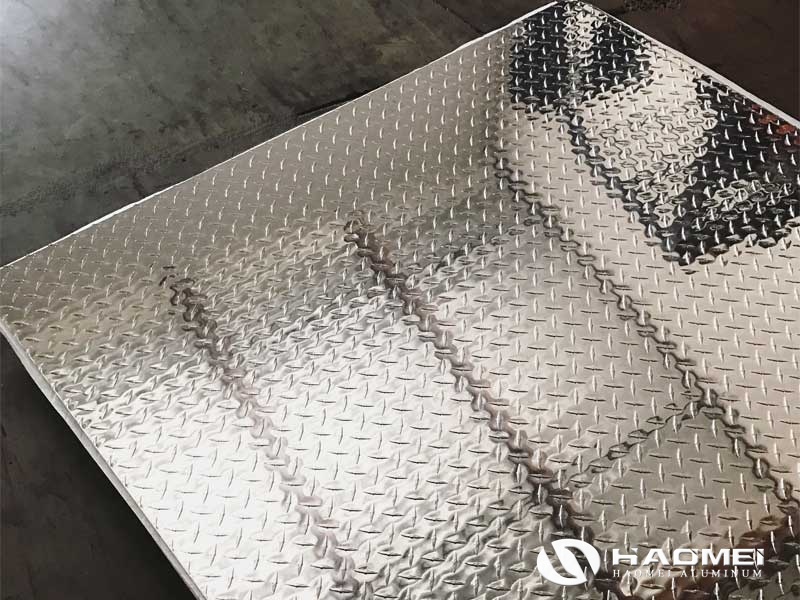
Unlike plain aluminum sheet, diamond plate is produced through a controlled rolling process that forms the raised pattern directly into the metal. The result is a single-piece surface without added grip coatings that may chip or separate during service. For many industrial buyers, this construction supports straightforward cutting, bending, welding, riveting, and mechanical fastening during downstream fabrication.
The performance of aluminum tread plate begins with alloy and temper selection. 3003-H22 aluminum is widely used for general-purpose diamond plate because it offers good formability and corrosion resistance. It is commonly specified for trailer interiors, loading areas, wall protection, storage boxes, and decorative panels.
Where increased strength is required, 5052 aluminum tread plate is often selected for marine, transportation, and chemical-exposure environments. Its higher magnesium content provides stronger resistance to saltwater and industrial moisture than many general-purpose aluminum grades. For structural components requiring higher mechanical strength, 6061 diamond plate may also be considered, although its forming characteristics differ from 3003 and 5052 materials.
Our production approach focuses on matching alloy, temper, thickness, and tread design to the intended fabrication process. This helps purchasers avoid selecting material that is unnecessarily heavy, difficult to form, or unsuitable for its operating environment.
A diamond pattern must provide more than appearance. Consistent raised-bar geometry contributes to traction, visual uniformity, and stable installation results across multiple sheets. During rolling, attention to coil flatness, pattern definition, and thickness control is important because variations can affect cutting accuracy and finished-panel alignment.
Industry specifications such as ASTM B632 are commonly referenced for aluminum-alloy rolled tread plate, covering dimensional tolerances and quality expectations. In practical procurement, buyers should review both base thickness and overall thickness, since the raised tread adds height above the sheet base. This distinction matters when material is used in vehicle flooring, access platforms, cabinets, or doors with tight clearance requirements.
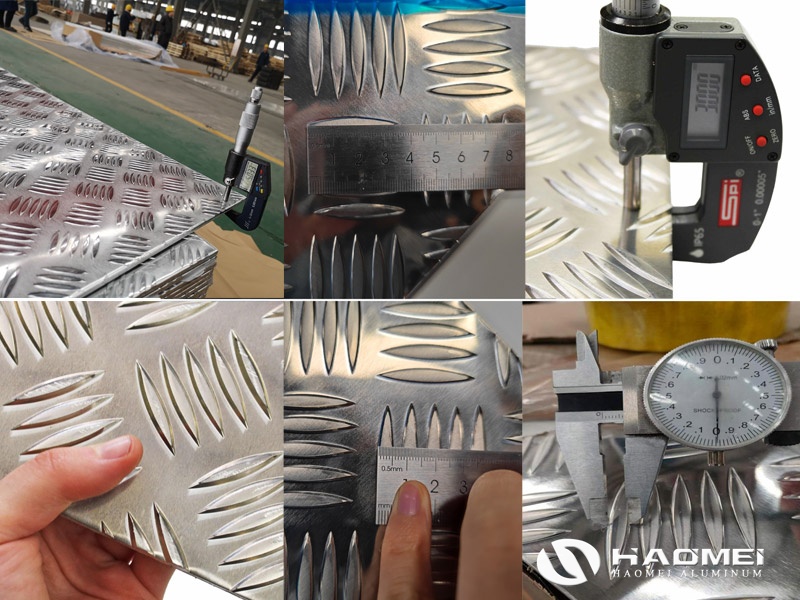
Surface inspection also plays an important role before export packing. Checks can include coil or sheet flatness, visible pattern continuity, edge condition, surface marks, and dimensional verification. Protective interleaving and moisture-resistant export packaging are particularly relevant for long-distance ocean shipments, where condensed moisture and handling damage can affect the usable appearance of bright-finish materials.
Diamond plate aluminum sheets are used across industries because they balance functional grip, corrosion resistance, and manageable weight. Common applications include:
Truck and trailer components, including floors, ramps, toolboxes, step panels, and side protection.
Marine equipment, such as deck coverings, dock access areas, hatch panels, and storage enclosures.
Industrial walkways, machine platforms, stair treads, service corridors, and protective guards.
Architectural and commercial interiors, including wall cladding, elevator panels, retail displays, and decorative furnishings.
Emergency and utility vehicles, where lightweight protective surfaces can support frequent access and equipment storage.
For trailer and body-building projects, aluminum can help reduce dead weight compared with steel tread plate. This may support payload planning while maintaining a robust surface for equipment movement. The material also develops a natural oxide layer, which provides a degree of protection in normal outdoor and humid conditions without requiring routine repainting.
Choosing diamond plate aluminum sheets for sale involves more than comparing nominal thickness or price per sheet. Buyers often need dependable width control, available stock sizes, cut-to-length capability, stable material identification, and packaging suited to their shipping route. Standard sizes such as 4 x 8 feet are widely used, while coils and custom sheet dimensions can improve yield for large-volume fabricators.
Our aluminum diamond plate range is organized around these practical purchasing requirements, with options for mill finish, polished surfaces, coated products, and application-focused alloy selections. By controlling production details from rolling through inspection and export packing, we help customers receive tread plate that is ready for efficient processing rather than additional sorting or corrective work.
As demand grows for durable, low-maintenance materials in transport, marine, industrial, and architectural projects, diamond plate aluminum continues to offer a proven balance of performance, appearance, and fabrication flexibility.