Pointer Pattern Aluminium Tread Plate
Nov-11-2026
A pointer pattern aluminium tread plate is an embossed aluminium sheet designed to combine low weight, corrosion resistance, and improved surface grip. Its raised directional pattern creates a practical anti-slip surface for vehicle floors, access platforms, stair treads, toolboxes, and protective wall panels. For distributors, fabricators, and project buyers, selecting the right pointer pattern aluminium tread plate requires more than choosing a thickness. Alloy, temper, pattern height, surface finish, flatness, and export packing all influence end-use performance and total landed cost.
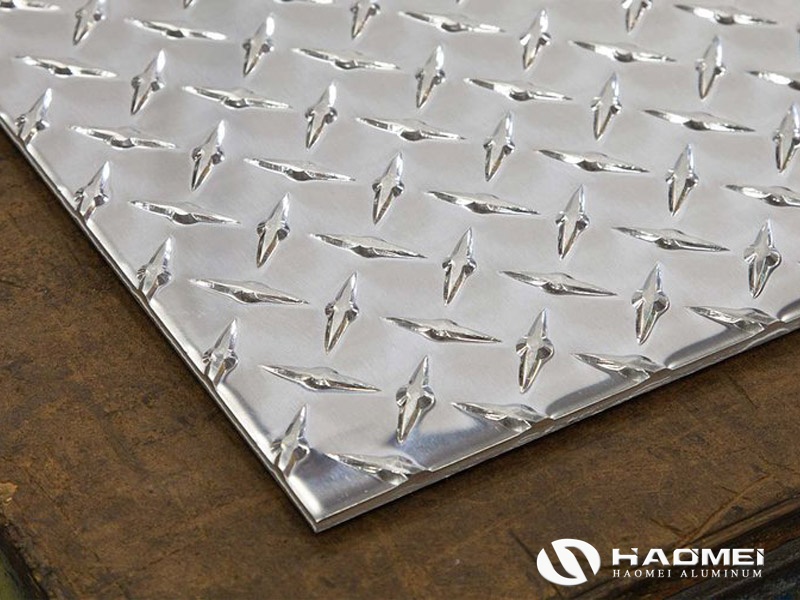
A pointer pattern aluminium tread plate is produced by passing aluminium sheet or coil through embossing rolls that form repeated raised pointer-shaped ribs. Depending on the market, it may also be described as directional tread plate, checker plate, non-slip aluminium sheet, or embossed aluminium flooring sheet. The pattern is different from a conventional diamond pattern or five-bar pattern, but its functional purpose is similar: improve traction while retaining aluminium's excellent workability and weather resistance.
The raised pattern helps disperse water, dust, and light oil from contact areas. This makes pointer pattern aluminium tread plate suitable for locations where workers, passengers, or equipment need a safer walking or loading surface. It is widely supplied in mill finish, polished finish, stucco-type finish, or color-coated versions according to visual and environmental requirements.
For projects that require a more traditional raised lozenge profile, buyers can compare the pattern geometry, thickness range, and sheet sizes available for aluminum diamond plate products before confirming the best option.
The alloy is the foundation of a reliable pointer pattern aluminium tread plate. Although the embossed pattern affects grip, the base metal determines strength, formability, weldability, and corrosion performance.
3003 is a commonly specified alloy for general-purpose pointer pattern aluminium tread plate. It offers good corrosion resistance and moderate strength. It is often selected for interior flooring, wall protection, decorative panels, light-duty trailers, and commercial equipment housings. Its relatively easy forming characteristics make it useful when sheets require cutting, bending, or edge folding after delivery.
5052 pointer pattern aluminium tread plate provides higher strength and better resistance to saltwater and humid industrial conditions than 3003. It is a suitable choice for marine-adjacent installations, truck bodies, workboats, outdoor platforms, and transport equipment. Buyers serving coastal markets often prefer 5052 because it offers a strong balance between durability and fabrication efficiency.
For demanding transportation, marine, and heavy-duty flooring applications, 5083 or 5754 may be considered. These alloys are valued for strength and corrosion resistance, particularly where repeated loading, vibration, or exposure to moisture is expected. A technical review is recommended when specifying these grades because required flatness, bending radius, and forming conditions vary by thickness and temper.
Common tempers include H114, H22, H24, and H32. H114 is frequently used for tread plate because it supports stable embossing and practical fabrication performance. Purchase orders should state both alloy and temper rather than relying only on a generic product description.
A pointer pattern aluminium tread plate is normally ordered by base thickness, not by total thickness after embossing. This distinction is important because the raised pattern adds height, while the nominal sheet thickness refers to the material before embossing.
Typical base thicknesses include:
1.0 mm to 1.5 mm for decorative cladding and light-duty protection
2.0 mm to 3.0 mm for trailer interiors, walkways, and equipment panels
4.0 mm to 6.0 mm for industrial floors, loading areas, and heavier-duty applications
Standard export dimensions often include 1000 x 2000 mm, 1220 x 2440 mm, 1250 x 2500 mm, and 1500 x 3000 mm. Custom slit widths, cut-to-length sheets, and coil supply can reduce downstream cutting waste for distributors and fabricators. Buyers looking for common North American-format panels may also review 4x8 aluminum diamond plate specifications when comparing available stock sizes.
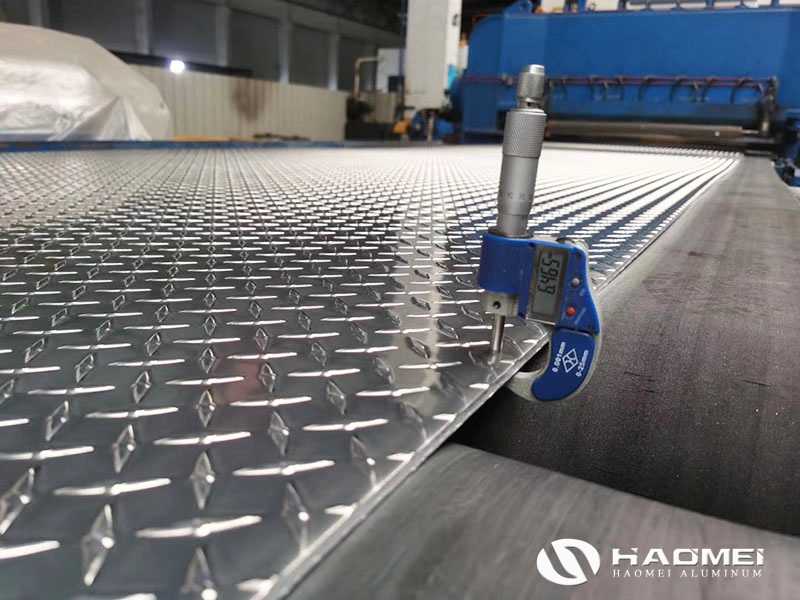
A professional purchasing specification for pointer pattern aluminium tread plate should include measurable quality requirements. Visual approval alone is not sufficient, especially for repeat container orders or end users with safety-related flooring applications.
Important inspection points include:
Pattern definition: Raised pointers should be clear, consistent, and evenly distributed across the sheet width and length.
Base thickness tolerance: Confirm the applicable standard and tolerance range before production. Thickness should be checked at multiple locations away from raised ribs.
Sheet flatness: Excessive waviness can complicate installation, bonding, cutting, and welding.
Surface condition: Mill finish material should be free from deep scratches, roll marks, corrosion spots, oil staining, and embedded particles.
Edge quality: Trimmed edges should be suitable for safe handling and further processing. Burr limits can be specified for automated fabrication lines.
Mechanical properties: Tensile strength and elongation should match the agreed alloy and temper standard.
Protective film: For decorative or polished pointer pattern aluminium tread plate, confirm film type, adhesion level, and removal performance.
For export procurement, request mill test certificates showing chemical composition, mechanical properties, coil or sheet identification, and production batch details. This documentation strengthens traceability and supports customer inspections at destination.
The directional embossing of pointer pattern aluminium tread plate serves both functional and visual needs. In commercial vehicle manufacturing, it is used for truck beds, trailer floors, step panels, mudguard protection, storage compartments, and interior wall linings. Its low density helps reduce vehicle weight compared with steel alternatives, supporting payload efficiency.
In construction and infrastructure projects, pointer pattern aluminium tread plate can be installed on stairs, ramps, service walkways, mezzanines, access covers, and temporary floor protection. It is especially useful where a metal surface must remain easy to clean while providing greater traction than smooth sheet.
Industrial equipment manufacturers use pointer pattern aluminium tread plate for machine guards, maintenance platforms, electrical enclosures, workstations, and tool cabinets. The material can be cut, drilled, riveted, welded, or mechanically fastened using processes appropriate to the selected alloy.
For decorative commercial applications, anodized or coated finishes can provide a more controlled appearance. However, buyers should verify whether a coating could reduce the practical grip of the embossed surface. Where slip resistance is critical, it is advisable to evaluate samples under realistic wet, dusty, or oily conditions.
A high-quality pointer pattern aluminium tread plate can still arrive damaged if packing is not designed for the shipping route. Aluminium surfaces are vulnerable to moisture staining, abrasion, and edge damage during handling. Export packages should normally include waterproof paper, plastic film, corner protection, steel straps, reinforced wooden pallets, and seaworthy outer packing when required.
For container shipments, sheets should be blocked securely to prevent movement. Desiccants and moisture-control measures are valuable for long ocean routes, particularly during seasonal temperature changes. If protective film is used, the receiving customer should avoid storing the material in direct sunlight or high heat for extended periods because adhesive aging may make removal more difficult.
From a commercial perspective, distributors should compare freight efficiency between standard sheets, custom cut lengths, and coils. Oversized sheets may reduce processing waste but increase handling complexity and logistics cost. The best supply format depends on warehouse capabilities, local demand patterns, and the customer's cutting equipment.
Demand for pointer pattern aluminium tread plate remains closely linked to transportation investment, warehouse construction, light-duty vehicle production, marine maintenance, and industrial safety upgrades. Buyers in humid, coastal, and high-rainfall regions often place greater value on corrosion resistance and drainage performance. In dry industrial markets, appearance, easy cleaning, and fabrication speed may be more influential.
Pricing is affected by LME aluminium movements, alloy surcharge, sheet thickness, pattern complexity, finish, protective film, order quantity, and freight conditions. A lower quoted price should be assessed carefully. Differences in actual base thickness, alloy certification, surface quality, and packing can materially affect the delivered value of pointer pattern aluminium tread plate.
For repeat sourcing, it is practical to approve a control sample and document the agreed pattern, thickness tolerance, finish, packing method, and inspection procedure. This reduces variation between batches and gives distributors a clearer basis for managing customer expectations.
When requesting a quotation for pointer pattern aluminium tread plate, provide as much technical information as possible. A complete inquiry normally includes alloy, temper, base thickness, pattern type, sheet or coil dimensions, surface finish, protective film requirement, quantity, destination port, and requested delivery time.
If the plate will be used in flooring or transport applications, state the expected load, exposure conditions, fabrication method, and any applicable local standards. Supplying this information allows the producer to recommend a practical grade rather than simply quoting the lowest-cost material.
A well-specified pointer pattern aluminium tread plate supports safer surfaces, efficient fabrication, and more predictable long-term performance. For global buyers, the most reliable purchasing decision comes from aligning material properties, application conditions, quality controls, and logistics requirements before production begins.