4 X 8 Diamond Plate Aluminum
Nov-03-2026
A 4 x 8 diamond plate aluminum sheet is one of the most practical and widely specified products in the aluminum tread plate market. Measuring 48 x 96 inches, this standard-size sheet provides an efficient balance of coverage, manageable handling, and low fabrication waste. It is widely used for truck beds, trailer floors, toolboxes, walkways, stair treads, wall protection, loading platforms, marine structures, and decorative architectural panels.
Our 4 x 8 diamond plate aluminum is produced with a raised tread pattern, commonly called diamond, checker, or tread plate. The embossed surface improves traction while giving the sheet a durable industrial appearance. From my experience supplying aluminum products to transport, fabrication, and construction customers, the most important buying decision is not simply choosing a sheet by thickness. The alloy, temper, actual base-metal gauge, pattern height, flatness, and finish all influence how the plate will perform after cutting, bending, welding, and long-term service.
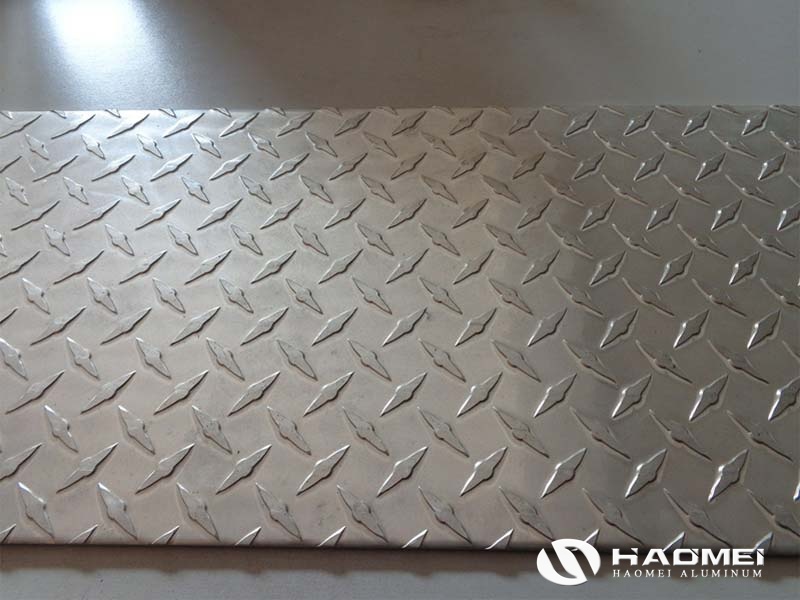
A 4 x 8 sheet is normally supplied in mill finish, bright finish, polished finish, or painted and coated versions. Five-bar tread is also available for customers who prefer a more continuous anti-slip pattern. The raised diamonds are rolled into the aluminum surface, creating a lightweight sheet with increased grip and visual texture.
| Specification | Typical Options |
|---|---|
| Standard sheet size | 4 x 8 ft, or 48 x 96 in |
| Common thicknesses | 0.045 in, 0.063 in, 0.080 in, 0.100 in, 0.125 in, 0.190 in, 0.250 in |
| Main alloys | 3003, 3105, 5052, 6061 |
| Common tempers | H22, H24, H32, H34, H114, H116, T6 |
| Surface finishes | Mill finish, bright, polished, painted, black coated |
| Pattern styles | Diamond tread, checker plate, five-bar tread |
For more options in standard sizes, thicknesses, and surface treatments, our 4x8 aluminum diamond plate range can be selected according to structural, decorative, or anti-slip requirements.
3003 is the most common alloy for general-purpose aluminum diamond plate. It is an aluminum-manganese alloy with good corrosion resistance, moderate strength, and excellent workability. Typical tempers include H22 and H24, which offer enough firmness for floor and wall applications while still allowing routine bending and forming.
I often recommend 3003-H22 or 3003-H24 for interior trailer lining, garage walls, cabinetry, decorative panels, light-duty flooring, and equipment guards. It is an economical option and performs well in normal industrial and atmospheric environments. However, it should not be selected solely because it is lower in cost if the plate will face saltwater, frequent chemical exposure, or high-impact loading.
5052 is the preferred choice when corrosion resistance and service durability are priorities. This aluminum-magnesium alloy is stronger than 3003 and offers very good resistance to marine atmospheres, road salt, moisture, and many chemicals. H32, H34, H114, and H116 tempers are common depending on thickness and required performance.
For trailer decks, boat flooring, dock walkways, food-processing areas, truck steps, and outdoor platforms, 5052 diamond plate is frequently worth the additional investment. In real projects, customers who install 5052 in wet or coastal environments generally benefit from lower maintenance and longer replacement intervals. Its performance is especially valuable where steel tread plate would create a rust-management problem.
6061-T6 is a heat-treatable alloy selected for applications requiring higher mechanical strength. It is commonly used for structural platforms, ramps, heavy-duty access panels, vehicle components, and fabricated parts where stiffness is important. Although 6061-T6 provides excellent strength, it is less forgiving in tight bending than 3003 or 5052. Fabricators should use appropriate bend radii and consider the direction of rolling before forming.
Temper describes the hardness condition of aluminum after rolling, strain hardening, annealing, or heat treatment. It affects bendability, surface durability, and strength.
H22/H24: Common tempers for 3003 tread plate. They offer practical formability and suitable hardness for general service.
H32/H34: Frequently used with 5052. These tempers provide stronger performance while retaining workable forming characteristics.
H114/H116: Often specified for thicker 5052 plate and marine-oriented service conditions.
T6: The standard high-strength condition for 6061 plate. It offers excellent rigidity but requires more care during forming.
One point I always clarify with buyers is that diamond plate thickness can be quoted in different ways. Some specifications refer to base thickness only, while others may reference total thickness including the raised pattern. For load-bearing floors or trailer decks, specifying base metal thickness is the safer method because it gives a more accurate indication of structural capacity.
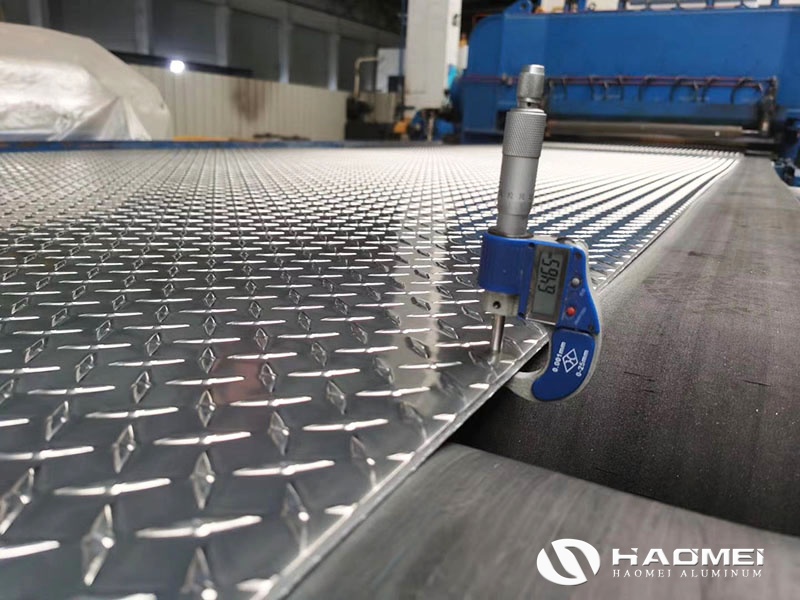
Aluminum weighs roughly one-third as much as steel. A 4 x 8 aluminum tread plate reduces installation effort, vehicle dead weight, and transportation costs. This is particularly valuable for trailers, pickup trucks, RVs, and mobile equipment, where every pound affects payload or fuel efficiency.
Aluminum naturally forms a protective oxide layer. With 5052 alloy, corrosion resistance is particularly strong in humid, outdoor, and marine environments. Unlike carbon steel checker plate, aluminum does not require painting solely to prevent rust.
The raised diamond pattern increases traction under footwear, tires, and equipment wheels. It is not a substitute for proper drainage or cleaning, but it provides a meaningful grip advantage over smooth aluminum sheet in many access and flooring applications.
Diamond plate aluminum can be cut by saw, shear, waterjet, laser, plasma, or CNC routing, depending on alloy and thickness. It can also be drilled, riveted, bolted, welded, and formed. For visible surfaces, use clean tooling and protective film where needed to avoid scratches and embedded steel contamination.
Bright and polished diamond plate is popular for toolboxes, vehicle trim, retail displays, garage interiors, and architectural accents. Mill finish is more cost-effective for utility applications. Black coated alternatives provide a modern appearance for off-road vehicles, trailers, and decorative installations.
4 x 8 diamond plate aluminum serves diverse industries because one sheet can cover a useful area with fewer seams. Typical uses include:
Trailer flooring, side panels, stone guards, and ramps
Truck bed liners, running boards, and utility compartments
Boat decks, dock panels, gangways, and marine equipment covers
Stair treads, catwalks, platforms, and maintenance walkways
Warehouse wall guards, corner protectors, and kick plates
Toolboxes, workbenches, cabinets, and machine enclosures
Garage wall cladding and workshop interiors
Food trucks, RVs, emergency vehicles, and custom vehicle interiors
For customers evaluating heavy-duty options, our 1/4 aluminum diamond plate is commonly specified for ramps, protective flooring, and demanding platform applications where stiffness and impact resistance matter.
When purchasing a 4 x 8 diamond plate aluminum sheet, match the product to its actual service condition. For decorative wall panels, 3003-H22 in a thinner gauge may be entirely appropriate. For a utility trailer floor exposed to rain, vibration, and road salt, 5052 in a thicker base gauge is usually the more dependable choice. For a structural ramp or equipment platform, 6061-T6 may be considered after verifying span, support spacing, and load requirements.
Inspect the sheet for consistent pattern definition, clean edges, flatness, surface protection, and thickness tolerance. If a polished appearance is required, confirm whether the finish is bright mill, embossed bright, or mirror-polished, as these are not interchangeable. It is also wise to allow for the direction of the tread pattern when ordering sheets for visible installations.
A properly selected 4 x 8 diamond plate aluminum sheet delivers a combination of low weight, corrosion resistance, traction, and lasting visual value. Selecting the right alloy and temper from the start helps ensure that the material performs reliably from the fabrication shop to years of field service.