Aluminum Pointer Patterned Sheet
Nov-16-2026
Aluminum pointer patterned sheet is gaining attention across transport, industrial flooring, marine fabrication, and equipment manufacturing. Its raised, directional pattern gives fabricators a practical surface that combines slip resistance with the low weight and corrosion performance expected from aluminum. Unlike plain sheet, the patterned face provides useful grip while adding a distinctive finished appearance that can reduce the need for secondary surface treatments.
The term "pointer pattern" may describe a directional raised-bar design, although pattern geometry can vary by region, mill, and customer drawing. For this reason, experienced purchasers typically confirm the pattern type, base metal thickness, overall thickness, raised pattern height, and required alloy before production begins. This detail is important when sheets must align visually or fit into pre-engineered flooring, vehicle, or enclosure assemblies.
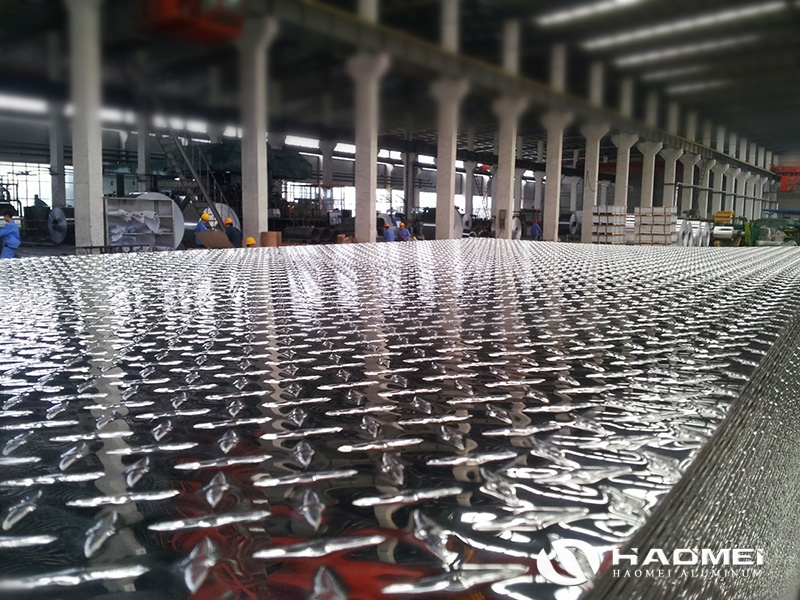
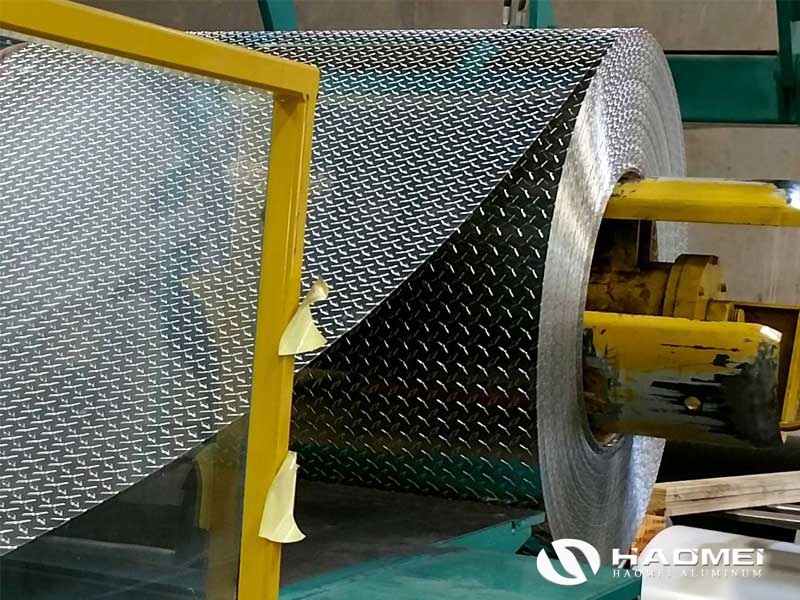
The performance of aluminum pointer patterned sheet begins with coil selection and rolling control. The raised pattern is formed through patterned rolls, which must create a consistent profile without causing excessive variation in the base material. Good process control helps maintain an even pattern definition, stable thickness, and flatness suitable for cutting, bending, riveting, and fabrication.
For general-purpose decorative and flooring applications, 3003-H22 aluminum is widely used because it offers good formability and natural resistance to atmospheric corrosion. Where higher strength and stronger corrosion resistance are needed, especially around saltwater exposure or frequent washdown, 5052-H32 is often specified. These are familiar choices in the aluminum sheet market, and material can be supplied in accordance with relevant requirements such as ASTM B209 when project specifications call for it.
An important industry consideration is that tread pattern does not replace structural design. The raised surface improves contact under footwear and equipment traffic, but load capacity depends primarily on alloy, temper, thickness, panel span, support spacing, and installation method. Clear technical communication at the quotation stage helps prevent a cosmetic tread sheet from being selected for a structural duty beyond its intended use.
The directional raised pattern helps create a more secure walking or standing surface in areas exposed to moisture, dust, or light oils. At the same time, aluminum provides a substantial weight advantage compared with many steel alternatives. This can support easier handling during fabrication and lower overall vehicle or equipment weight.
Aluminum pointer patterned sheet also offers several practical benefits:
Corrosion resistance: The natural oxide layer supports long-term use in humid, outdoor, and many marine-adjacent environments.
Fabrication flexibility: Sheets can be cut, drilled, bent, welded, or mechanically fastened with appropriate procedures.
Low maintenance: Mill finish material is widely used where an industrial appearance is acceptable, while coated or anodized options can be considered for more demanding visual applications.
Repeatable appearance: Controlled pattern alignment and consistent coil processing help maintain a uniform visual finish across multi-panel projects.
For buyers requiring commonly used sheet formats, product dimensions, alloy selection, and thickness should be evaluated together rather than as isolated purchasing points. A properly specified diamond pattern aluminum sheet can reduce material waste and simplify downstream cutting plans.
In commercial transportation, aluminum pointer patterned sheet is used for truck bed liners, trailer floors, step covers, ramps, toolboxes, and interior protection panels. Its lightweight nature is particularly useful where payload efficiency matters, while the textured face helps improve footing at entry points.
Marine fabricators use patterned aluminum in gangways, small-deck walkways, access covers, dock equipment, and utility compartments. Alloy choice becomes especially significant in these environments. For coastal service, 5052 is commonly preferred over 3003 where higher corrosion resistance and strength are required.
Industrial facilities apply pointer patterned aluminum sheet to machine platforms, service steps, maintenance walkways, protective wall panels, and cabinet surfaces. Architectural and retail projects may also use it for interior feature panels, counters, and durable decorative cladding where a technical metal aesthetic is desired.
Reliable patterned sheet supply depends on more than the visible tread. Coil chemistry, temper control, rolling precision, surface inspection, protective packaging, and export documentation all affect the material received at the destination. For international projects, sheets are commonly protected with interleaving paper, PVC film when required, and seaworthy pallet packaging to reduce surface damage during container transport.
By matching alloy, temper, dimensions, and pattern requirements to the real operating environment, aluminum pointer patterned sheet becomes a durable, efficient material choice for applications where traction, corrosion resistance, and clean fabrication results must work together.