Orange Peel Aluminum Plate
May-27-2026
Orange peel aluminum plate, often grouped within the embossed aluminum family, continues to gain attention across construction, insulation, transport, and appliance manufacturing. Its distinctive textured surface is more than a visual feature. The pattern improves rigidity, reduces visible wear, supports anti-slip performance in some applications, and helps maintain a cleaner appearance over time. For buyers focused on practical value rather than surface-level claims, this is one of the reasons orange peel finishes remain widely specified.
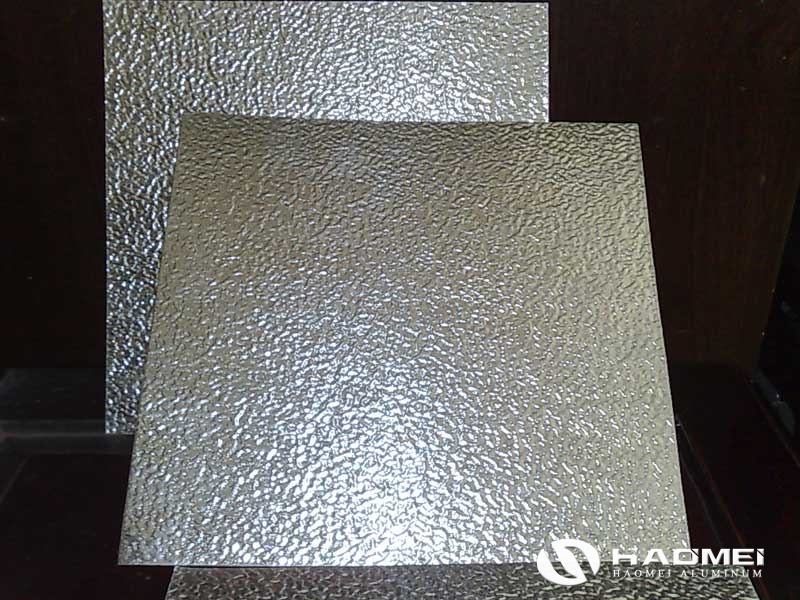
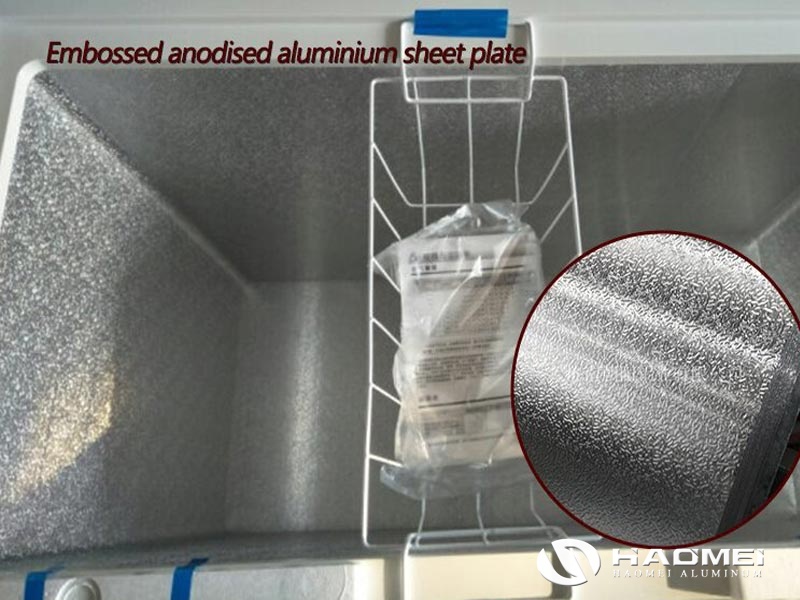
From a manufacturing perspective, the performance of orange peel aluminum plate depends heavily on the stability of the embossing process, base alloy selection, and thickness tolerance control. Reliable producers usually work with grades such as 1050, 1060, 3003, and 3105, chosen according to forming needs, corrosion exposure, and end-use requirements. In refrigeration and insulation markets, 1060 and 3003 are especially common because they combine good workability with dependable corrosion resistance. In actual industry practice, embossed aluminum for refrigerator back panels and interior lining components is often supplied in thin gauges such as 0.3 mm to 1.0 mm, where uniform texture depth matters for both appearance and downstream forming consistency.
The technological strength behind a quality orange peel aluminum plate lies in process control. A stable rolling and embossing line must keep the pattern clear without causing edge cracking, excessive residual stress, or uneven elongation. This matters when sheets are bent, cut, laminated, or wrapped around insulated pipelines. Surface uniformity also affects coating adhesion when painted finishes are required. Manufacturers with stronger process capability generally deliver better flatness, cleaner pattern definition, and more predictable mechanical behavior from batch to batch, which helps reduce waste for fabricators.
For applications involving thermal insulation, orange peel textures are often compared with Stucco Embossed Aluminum Sheet because both offer practical benefits in jacketing and cladding systems. The textured surface helps minimize glare, hides minor scratches from transport and installation, and supports a more robust outer appearance in industrial environments. In HVAC duct insulation, pipe jacketing, and cold-room panel systems, these details can influence long-term maintenance costs as much as initial material price.
Another advantage is the balance between weight and strength. Aluminum already offers a favorable strength-to-weight ratio, but embossing further improves apparent stiffness compared with plain sheet of the same thickness. This allows designers to use lightweight material while maintaining adequate structural feel and handling resistance. In transport equipment, interior panels, trailer components, and utility vehicle linings, that balance remains important where every kilogram affects efficiency. The corrosion resistance of aluminum also makes orange peel aluminum plate suitable for humid or mildly aggressive environments, especially when the right alloy and finish are selected.
Real-world application scenarios are broad. In the appliance sector, orange peel aluminum sheet is used for refrigerator panels, freezer linings, and decorative covers because it combines hygienic cleanability with a surface that masks small dents better than smooth sheet. In building envelopes, it appears in wall cladding, column wraps, elevator interiors, and ceiling systems where durability and visual texture are both valued. In industrial insulation, it serves as protective outer jacketing for tanks, pipelines, and vessels. A widely recognized market detail is that embossed aluminum jacketing is commonly preferred over smooth finishes for outdoor insulated piping because the textured pattern better conceals handling marks accumulated during installation.
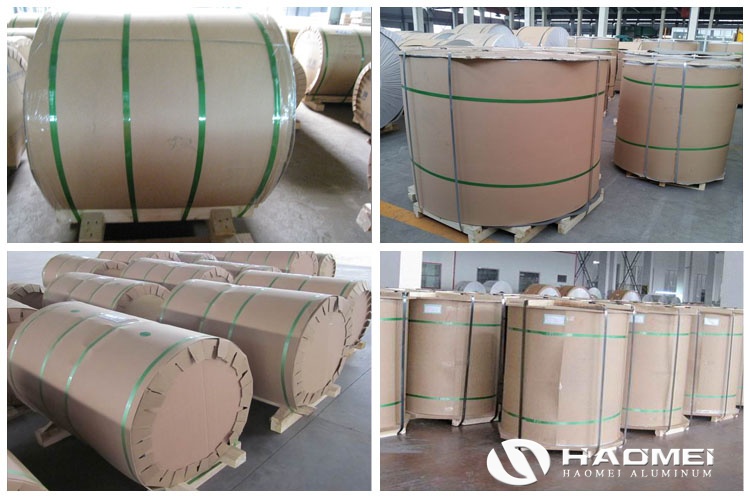
The material also fits projects that demand customization. Buyers may require coils or cut-to-size plates, mill finish or color coated surfaces, protective film, or export packaging suitable for long-distance shipment. Consistent packaging standards are often overlooked, yet they play a major role in preserving embossed texture quality during sea transport and warehouse handling.
As market requirements become more specific, orange peel aluminum plate stands out not because of exaggerated claims, but because it solves practical problems. It offers a proven combination of corrosion resistance, lightweight handling, textured durability, and broad process adaptability. For importers, OEM buyers, and project contractors, these are the characteristics that continue to make it a dependable choice across modern industrial and architectural supply chains.