Diamond Plate Sheet Metal Prices
Jul-31-2026
Diamond plate sheet metal prices depend on far more than the headline cost per sheet. In aluminum markets, the final price is shaped by alloy, temper, thickness, tread pattern, sheet dimensions, surface finish, order quantity, fabrication requirements, freight, and daily aluminum market movement. Buyers comparing quotes should look beyond a low initial number and assess whether the material is suitable for the intended service environment.
From my experience working with aluminum products and following metal-market fluctuations, the lowest-priced diamond plate is not always the most economical option. A low-grade sheet with inconsistent tread height, poor flatness, undersized thickness, or unreliable alloy chemistry can create unnecessary cutting loss, installation difficulty, and premature replacement costs. The best purchase is a properly specified product that balances durability, appearance, safety, and delivered cost.
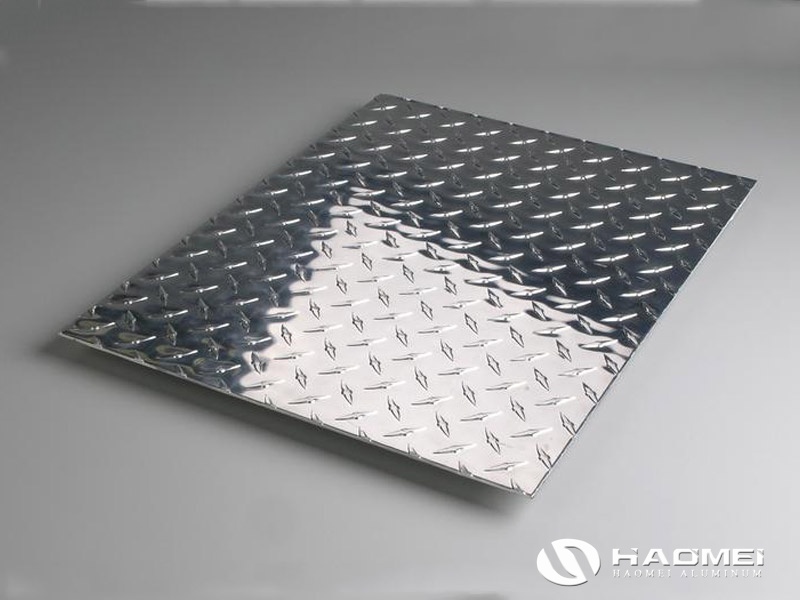
Diamond plate sheet metal, also called checker plate, tread plate, or embossed aluminum plate, is an aluminum sheet with a raised diamond-shaped pattern on one surface. The embossed pattern improves slip resistance while giving the material a clean, industrial appearance. It is widely used for floors, walkways, trailer decks, toolboxes, vehicle steps, wall protection, loading platforms, and decorative panels.
Our aluminum diamond plate is produced from quality aluminum coil and processed through controlled rolling and embossing. This manufacturing approach provides consistent pattern definition, stable dimensions, and dependable mechanical performance. The reverse side is generally smooth, allowing straightforward bonding, fastening, or fabrication.
Aluminum is a globally traded commodity, so diamond plate sheet metal prices naturally move with primary aluminum values. However, metal cost is only one part of the quote. The following elements have a direct impact on the finished price.
| Price Factor | Why It Matters |
|---|---|
| Aluminum market price | Changes in primary aluminum pricing affect the base metal cost. |
| Alloy grade | Marine-grade and higher-strength alloys generally cost more than standard commercial grades. |
| Thickness | Heavier sheets contain more metal and require greater processing input. |
| Sheet size | Standard dimensions are usually more cost-effective than custom cut sizes. |
| Temper | Harder tempers can require more controlled processing and may have different availability. |
| Surface finish | Mill finish, polished, painted, anodized, or coated products have different processing costs. |
| Pattern quality | Uniform raised diamonds and controlled tread height add value for safety-critical applications. |
| Quantity and logistics | Full bundles, container loads, packaging, and shipping can significantly change unit cost. |
When reviewing a quote, I recommend confirming whether the listed thickness is base thickness or total thickness including the raised pattern. This is a recurring source of confusion in the marketplace. A technically sound quotation should clearly state the alloy, temper, nominal thickness, tolerance, width, length, surface condition, and applicable standard.
3003 is one of the most common choices for diamond plate sheet metal. It contains manganese, which improves strength compared with pure aluminum while maintaining very good corrosion resistance and formability. Typical tempers include H22 and H24.
3003 diamond plate is appropriate for general flooring, interior protection, utility trailers, truck accessories, garage walls, kick plates, and decorative fabrication. It is practical, easy to work with, and widely available. For buyers focused on a reliable balance of price and performance, 3003 is often the reference grade.
5052 is a magnesium-containing alloy known for stronger mechanical properties and excellent resistance to corrosion, particularly in wet, coastal, and moderately marine environments. Common tempers include H32 and H34.
Compared with 3003, 5052 aluminum diamond plate normally carries a price premium. In return, it offers higher strength and better long-term performance where moisture, salt spray, vibration, or more demanding service conditions are present. It is frequently selected for marine decks, docks, work vehicles, industrial platforms, and trailer applications.
6061 is a heat-treatable aluminum alloy valued for its high strength and structural capability. Although less common than 3003 and 5052 for standard embossed sheet, it can be specified when strength is a critical requirement. Tempers such as T6 provide substantial hardness and load-bearing capacity, but formability is lower than softer H-tempers.
For fabricated structural components, engineers should evaluate whether the tread plate is decorative, anti-slip, or load-bearing. The raised diamond pattern improves traction, but it does not replace proper structural design.
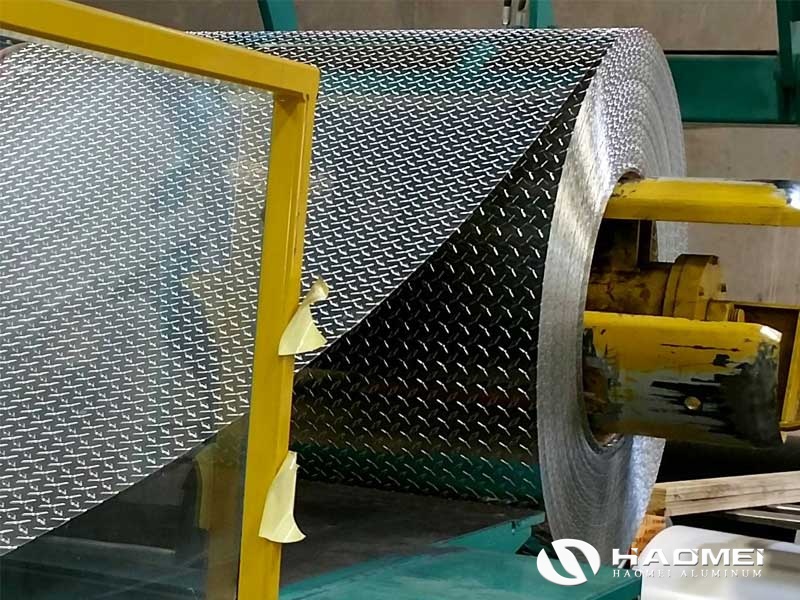
Temper describes the material condition after rolling, strain hardening, annealing, or heat treatment. It affects strength, bendability, and handling behavior.
| Alloy | Typical Temper | Key Benefit | Common Uses |
|---|---|---|---|
| 3003 | H22, H24 | Good formability and corrosion resistance | Decorative panels, flooring, truck boxes |
| 5052 | H32, H34 | Higher strength and excellent corrosion resistance | Marine flooring, trailers, industrial platforms |
| 6061 | T6 | High structural strength | Heavy-duty fabricated parts and engineered applications |
A softer temper is generally easier to bend and form, while a harder temper improves dent resistance and strength. For example, a 3003-H22 sheet can be an efficient choice for fabricated enclosures, while 5052-H32 is better suited to demanding outdoor or marine service. In practice, buyers should match temper to fabrication method and end-use load rather than simply selecting the hardest available material.
Aluminum diamond plate offers a valuable combination of functional and economic advantages:
Slip resistance: The raised pattern improves footing on stairs, decks, ramps, and walkways.
Low weight: Aluminum is significantly lighter than steel, helping reduce vehicle and trailer weight.
Corrosion resistance: Aluminum naturally forms a protective oxide layer, making it suitable for humid and outdoor conditions.
Attractive appearance: Bright mill finish, polished surfaces, and color-coated options support both industrial and decorative designs.
Easy fabrication: It can be cut, drilled, riveted, welded, and formed using appropriate methods.
Low maintenance: Regular cleaning is usually enough to preserve appearance and function.
Long service life: Correct alloy selection can deliver durable performance in challenging environments.
For standard stock requirements, a 4x8 aluminum diamond plate sheet is one of the most efficient purchasing formats. It is popular because it suits trailer construction, wall panels, garage protection, fabrication shops, and general repair work while reducing unnecessary offcut waste.
Diamond plate sheet metal is used across transportation, construction, marine, manufacturing, and commercial design. Common applications include:
Trailer floors, ramps, fenders, and side panels
Truck beds, step boards, toolboxes, and utility vehicle interiors
Boat decks, dock surfaces, gangways, and marine access platforms
Stair treads, walkways, machine guards, and industrial flooring
Warehouse wall protection and corner guards
Garage cabinets, workshop benches, and storage units
Retail displays, restaurant interiors, and architectural accents
Emergency vehicles, service bodies, and mobile equipment
The material is especially effective where a surface must resist corrosion while still offering grip and visual impact. For heavily loaded floors, thickness selection is essential. Thin decorative sheet may be suitable for wall cladding, but it should not be assumed to support concentrated wheel loads or unsupported spans.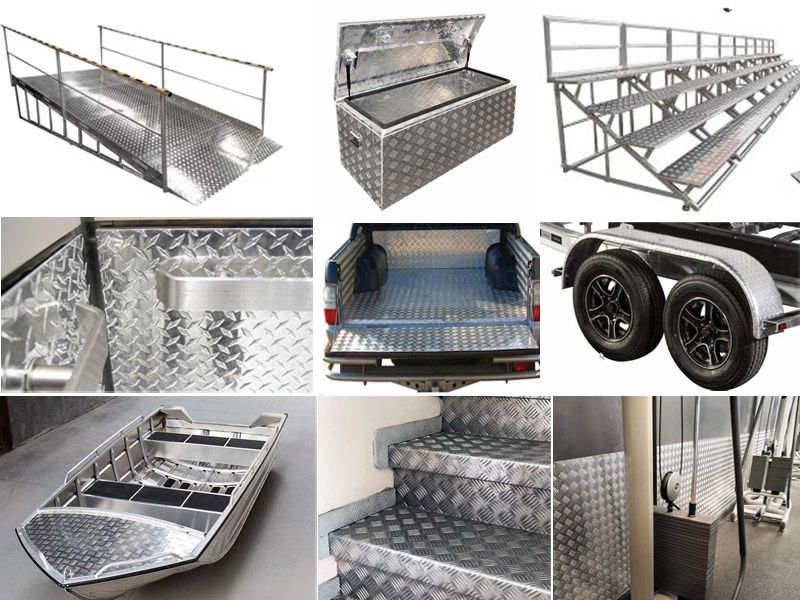
To obtain competitive diamond plate sheet metal prices without compromising quality, provide suppliers with a complete requirement. Specify the alloy, temper, thickness, pattern, width, length, finish, quantity, tolerances, packaging, destination, and intended application. If the material will be used near seawater or chemicals, state that clearly so the right alloy can be recommended.
It is also wise to compare delivered cost rather than sheet price alone. A quote that includes export-grade packaging, protective film, accurate cut-to-size service, documentation, and dependable delivery may provide better overall value than a lower quote with hidden logistics or quality risks. For repeat projects, locking in a supply plan around market conditions can help manage aluminum price volatility and maintain stable production costs.
Our diamond plate products are available in practical thicknesses, standard and customized sizes, mill finish, polished finish, and selected color-coated options. By choosing the right alloy and temper from the beginning, buyers can achieve safer surfaces, efficient fabrication, and long-term value from every sheet.