China Stucco Aluminum Sheet Factory
May-19-2026
When buyers search for a reliable china stucco aluminum sheet factory, they are usually not only comparing prices. In actual export business, the more important questions are consistency of embossing depth, alloy selection, width tolerance, coating performance, packaging safety, and whether the material can run smoothly in the customer's production line. From a technical and manufacturing perspective, stucco embossed aluminum is a practical material that combines decorative texture, mechanical durability, and good corrosion resistance.
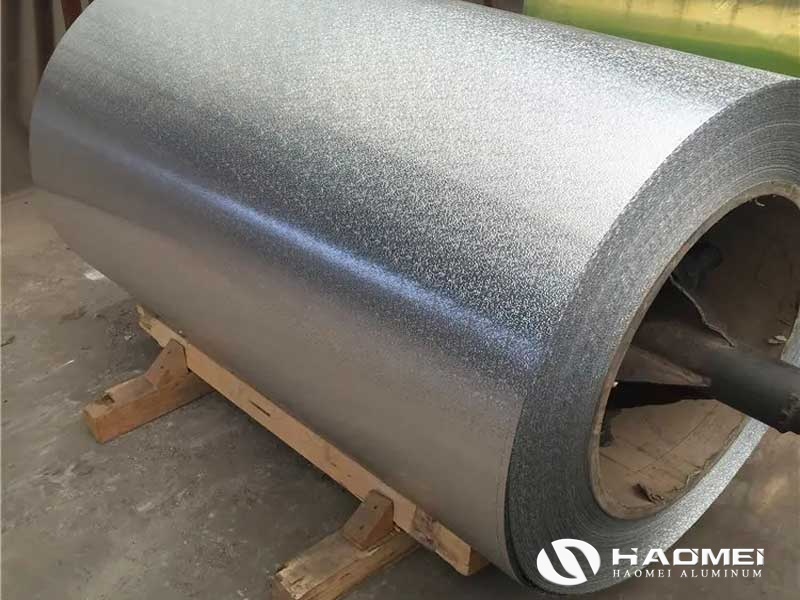
A professional factory typically supplies stucco aluminum sheet and coil in commonly used alloys such as 1050, 1060, 1070, 3003, 3004, 3105, 5052, and 8011. For general insulation jacketing, appliance panels, and architectural cladding, 1000 and 3000 series are widely preferred because they offer stable formability and good surface performance. For projects that need higher strength and better corrosion resistance, 5052 is often a more suitable option.
The main specifications usually cover thicknesses from 0.2 mm to 2.0 mm, with some factories able to produce heavier gauges for special industrial use. Standard widths include 500 mm, 1000 mm, 1200 mm, and 1250 mm, while coil and sheet lengths can be customized according to end-use requirements. In export orders, I have found that buyers care a lot about flatness after embossing. A strong factory does not simply create a textured pattern; it also controls tension, rolling pressure, and leveling accuracy to keep the sheet workable for cutting, bending, and laminating.
From the surface side, stucco embossed aluminum generally comes in mill finish, anodized finish, and color-coated finish. Mill finish is economical and widely used for insulation and industrial covers. Anodized material gives improved decorative appearance and added protection. Color-coated embossed aluminum is popular in interior decoration, refrigeration equipment, and exterior cladding because it combines texture with visual uniformity. If customers need stable supply for these applications, a dependable source of Stucco Embossed Aluminum Sheet should also offer coating adhesion control, gloss consistency, and weather resistance testing.
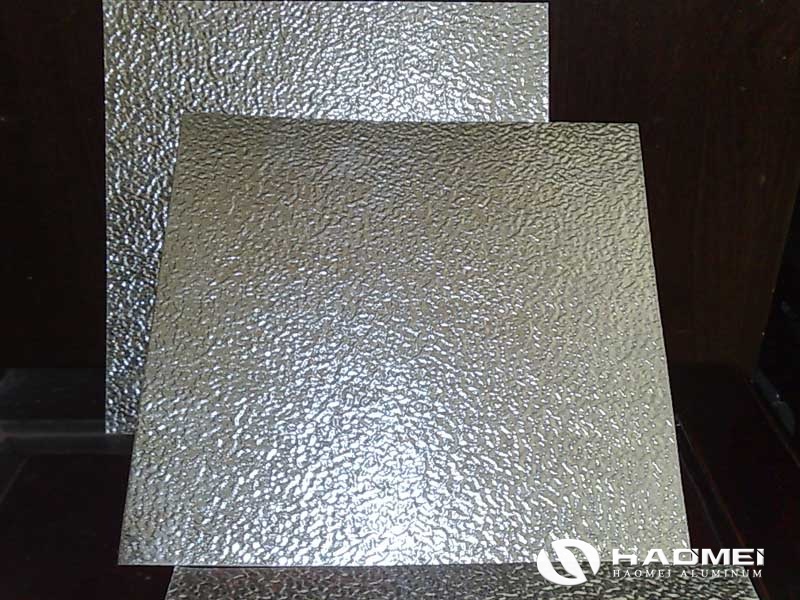
One of the biggest features of stucco aluminum sheet is its embossed pattern, often called orange peel, pebbled, or hammer texture in the market. This texture is not only decorative. It helps reduce visible scratches, improves rigidity compared with plain sheet of the same thickness, and provides a better anti-slip or anti-glare effect in some applications. In refrigerator liners, cold room panels, pipe insulation jacketing, and trailer interiors, this practical surface advantage is very clear.
Another major advantage is corrosion resistance. Aluminum itself forms a natural oxide layer, and with the right alloy and proper surface treatment, stucco embossed sheet performs very well in humid and outdoor environments. This is why it is commonly used in HVAC insulation, roofing accessories, wall protection, and decorative covering systems. In coastal or chemical exposure environments, alloy selection becomes especially important. A factory with real technical experience will not recommend the same material for every project; it will match alloy and temper to the service condition.
Applicable tempers usually include O, H14, H16, H18, H22, and H24. Softer tempers are better for deep forming or bending, while harder tempers are chosen when customers want more panel stiffness. In export practice, a mismatch between temper and customer processing method can easily cause cracking, springback, or shape instability. That is why technical communication before production is just as important as the quotation itself.
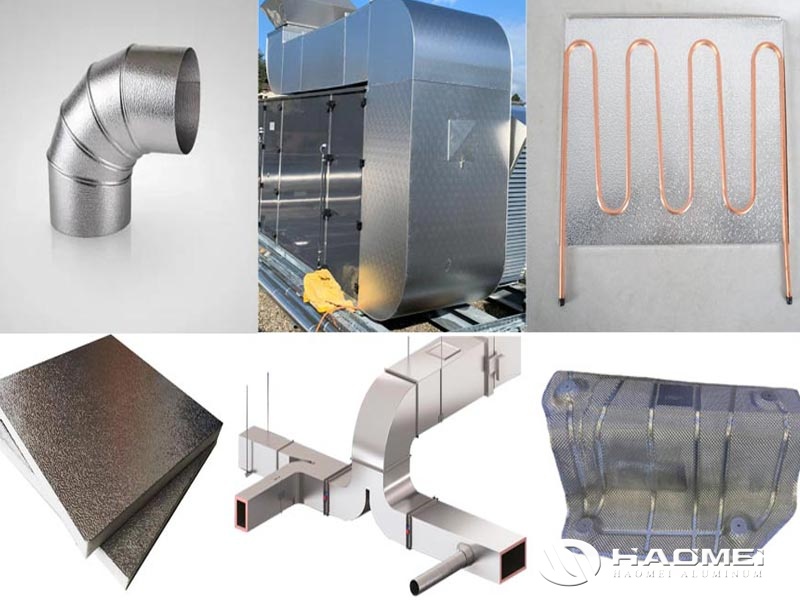
In terms of application scenarios, stucco embossed aluminum sheet is widely used in refrigerator and freezer panels, solar reflector backing, pipe and tank insulation, building facades, suspended ceilings, cold storage systems, elevator decoration, transportation interiors, and equipment casings. For cladding and insulation markets, many customers also look for materials with stronger weatherability and easier installation performance, which makes products like Stucco Embossed Aluminium Cladding especially relevant.
From my industry experience, the real strength of a china stucco aluminum sheet factory is not just production capacity. It is the ability to keep every coil or sheet within agreed tolerances, maintain uniform embossing from batch to batch, protect the surface during transport, and respond quickly when customers need customized widths, PE film, kraft paper packing, eye-to-wall coil loading, or seaworthy wooden pallets. Export products often travel long distances, so packaging quality is part of product quality.
For buyers, choosing the right supplier means looking beyond low unit price. Stable alloy chemistry, clean surface, precise embossing rollers, proper temper control, and disciplined inspection standards directly affect processing yield and final product appearance. A factory that understands these details can provide more reliable value over the long term. That is exactly where professionally manufactured stucco embossed aluminum stands out in global markets.