Where to Buy Diamond Plate Aluminum Near Me
Jul-24-2026
When customers search for where to buy diamond plate aluminum near me, they are usually not just looking for the closest warehouse. They are looking for the right alloy, reliable thickness, clean surface, fast delivery, and a fair market-based price. In my experience working with aluminum tread plate buyers, the most successful purchases start with technical clarity. A local metal store may have stock, but if the alloy, temper, pattern height, or flatness does not match your application, the lowest freight cost can quickly become expensive.
Diamond plate aluminum, also called aluminum tread plate, checker plate, or floor plate, is valued for its raised pattern, light weight, corrosion resistance, and decorative metallic appearance. It is widely used in truck beds, trailers, toolboxes, stair treads, wall panels, flooring, equipment platforms, and architectural protection panels.
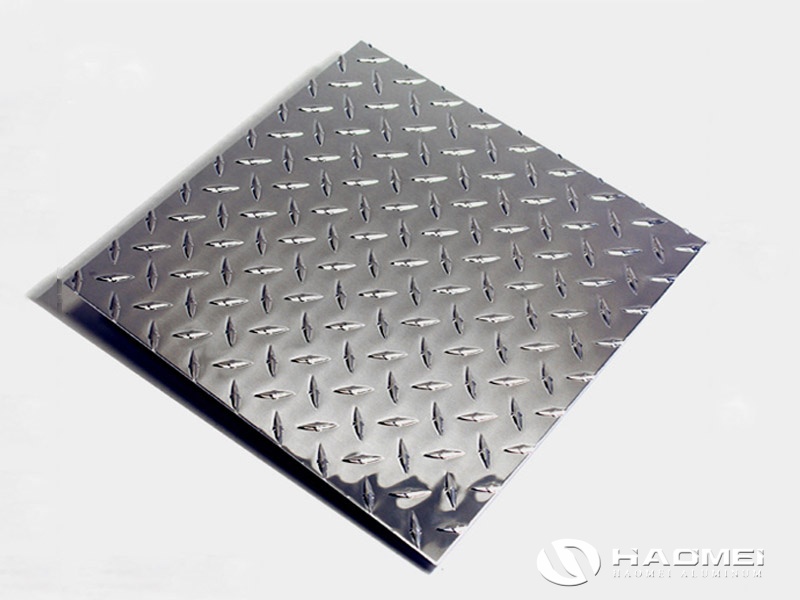
Diamond plate aluminum is produced by rolling aluminum sheet or plate through patterned rollers to create a raised diamond, 5-bar, or other anti-slip texture. The raised pattern improves traction while also increasing surface rigidity. Compared with steel checker plate, aluminum diamond plate is easier to cut, bend, transport, and install.
For buyers comparing different suppliers, I recommend starting with product category and specification. A professional supplier of Aluminum Diamond Plate should be able to provide alloy certificates, thickness tolerances, surface finish options, and packing methods rather than only quoting a price per sheet.
The alloy you choose determines strength, corrosion resistance, formability, weldability, and price. From a market perspective, 3003 and 5052 are the most common grades for general commercial use, while 6061 is selected when higher structural strength is required.
| Alloy | Typical Temper | Key Features | Common Applications |
|---|---|---|---|
| 3003 | H22, H24 | Good formability, moderate strength, economical, good corrosion resistance | Wall panels, toolboxes, light flooring, decorative panels |
| 5052 | H32, H34 | Better corrosion resistance, higher strength than 3003, excellent marine performance | Trailers, ship decks, ramps, outdoor platforms |
| 6061 | T6 | High strength, good machinability, weldable, structural grade | Heavy-duty flooring, machinery platforms, structural steps |
| 5754 | H114, H22 | Excellent corrosion resistance, good for transport and marine environments | Vehicle flooring, shipbuilding, industrial walkways |
If a customer asks me for an everyday diamond plate sheet for interior wall protection or light-duty decoration, I usually look at 3003-H22 first. If the plate will face moisture, salt spray, or outdoor service, 5052-H32 is often a better long-term choice. For load-bearing platforms, 6061-T6 may be necessary, but bending performance must be considered carefully.
Temper is one of the most overlooked details when people search for where to buy diamond plate aluminum near me. The same alloy can behave very differently depending on heat treatment or work hardening.
H22: Strain hardened and partially annealed, offering a balance of strength and formability.
H24: Slightly harder than H22, useful when better dent resistance is needed.
H32: Common for 5052, combining good strength with practical workability.
H34: Higher hardness and strength than H32, but less formable.
T6: Heat treated and artificially aged, used mainly for 6061 structural applications.
For fabrication shops, I always suggest confirming the minimum bend radius before ordering. A plate that looks perfect on paper may crack if bent too tightly, especially in harder tempers.
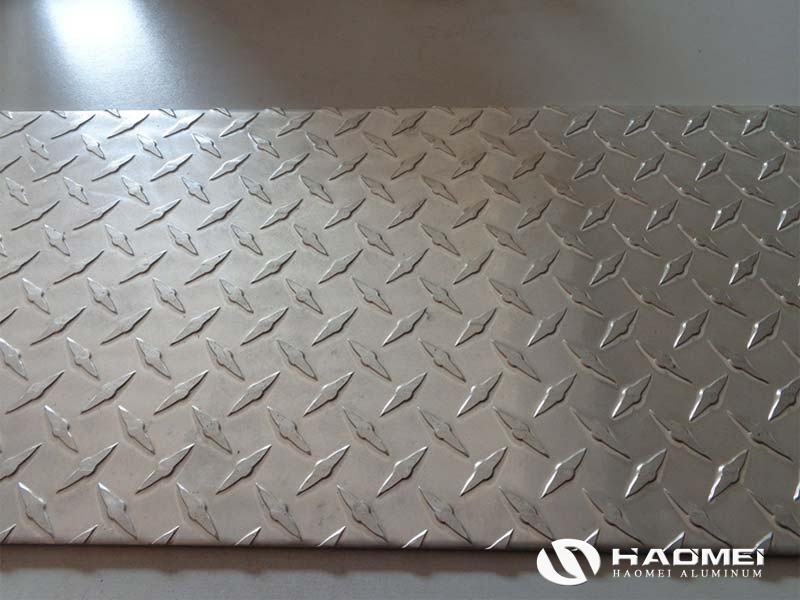
Diamond plate aluminum offers a strong combination of practical and visual benefits:
Lightweight performance: Aluminum is about one-third the weight of steel, reducing installation labor and vehicle load.
Corrosion resistance: Natural oxide film protects the surface, and alloys like 5052 perform well outdoors.
Anti-slip texture: Raised diamonds improve grip on floors, ramps, steps, and work platforms.
Easy fabrication: It can be cut, drilled, sheared, bent, and welded with the right tools.
Clean appearance: Mill finish, polished, embossed, and color-coated options suit industrial and decorative projects.
Recyclability: Aluminum retains high scrap value, which helps reduce lifecycle cost.
A detail I often check personally is pattern consistency. A good diamond plate should have uniform pattern height, clean edges, stable thickness, and no oil stains, deep scratches, or oxidation marks. These quality points matter when the sheet is used for visible surfaces such as garages, retail interiors, elevators, or vehicle accessories.
The most common sheet size is 4x8 ft, also known as 48 x 96 inches. Other sizes include 4x10, 5x10, 48x48, and custom-cut panels. Thickness usually ranges from thin decorative gauges to heavy 1/4 inch plate.
If you are comparing local stock, a 4x8 Aluminum Diamond Plate is often the easiest size to source and transport. It is widely used because it fits standard trailers, wall panels, shop floors, and fabrication tables.
Common finishes include:
Mill finish for industrial and cost-sensitive use.
Bright or polished finish for decorative applications.
Anodized finish for improved surface durability.
Black or color-coated finish for architectural design.
Stucco or alternative embossed textures for special projects.
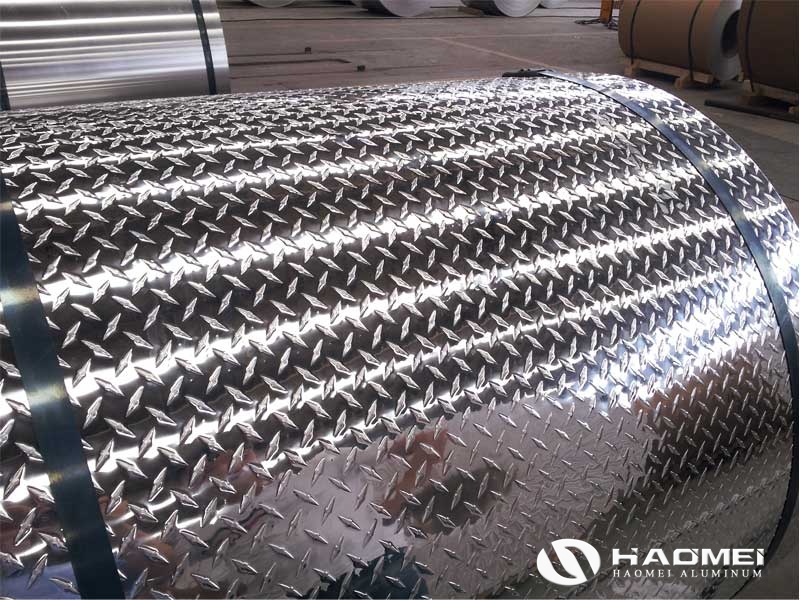
You generally have four purchasing channels:
These suppliers are convenient if you need material quickly. They may offer cutting services and allow you to inspect sheets before pickup. The limitation is that local inventory may be restricted to common alloys and thicknesses.
Good for small DIY projects, garage wall panels, or replacement pieces. However, industrial buyers may find the alloy information incomplete, and prices per square foot are often higher.
Fabricators sometimes sell leftover sheets or cut-to-size plates. This can work for small quantities, but consistency becomes difficult for repeat orders.
For bulk orders, direct sourcing can offer better price control, broader alloy options, and more stable specifications. A professional mill or distributor can also provide test reports, coil origin, packing photos, and shipping support. This route is especially useful for trailer manufacturers, flooring contractors, marine projects, and resellers.
Diamond plate aluminum price changes with LME aluminum price, alloy surcharge, thickness, finish, order quantity, packaging, and freight. When the market is rising, local suppliers may adjust faster than buyers expect. When the market softens, large distributors may still hold higher-cost inventory, so it is worth checking current replacement cost.
Before placing an order, compare quotes based on:
Alloy and temper.
Actual thickness, not only nominal gauge.
Sheet size and cutting tolerance.
Surface finish and pattern type.
Quantity and packaging.
Delivery time and freight terms.
Certification requirements.
A cheaper sheet may not be cheaper if it arrives with poor flatness, mixed tempers, or insufficient protective packaging. For export and long-distance shipping, moisture-proof wrapping and strong pallets are very important.
Diamond plate aluminum is used in many practical environments:
Transportation: Truck beds, trailer floors, loading ramps, toolboxes, fenders, and step plates.
Marine: Boat decks, dock plates, gangways, and saltwater access areas.
Construction: Stair treads, wall guards, corner protection, temporary walkways, and elevator panels.
Industrial: Machine platforms, catwalks, warehouse flooring, inspection covers, and equipment guards.
Commercial decoration: Garage interiors, retail displays, kitchens, workshops, and exhibition booths.
For flooring, I prefer 5052 or 5754 when corrosion resistance is a priority. For decorative wall use, 3003 is typically sufficient and more economical. For heavy structural loads, engineering review is necessary, especially when span, support spacing, and dynamic load are involved.
If you need one or two sheets today, search locally and ask for alloy, temper, and thickness before driving to the warehouse. If you need repeated supply, customized sizes, or better cost control, contact a manufacturer or specialized aluminum plate supplier. Share your application details, required size, thickness, surface finish, quantity, and destination. A serious supplier should respond with a technical recommendation rather than a generic price.
The best answer to where to buy diamond plate aluminum near me is not always the nearest location. It is the supplier who can provide the right material, documented quality, competitive pricing, and dependable delivery for your project.