Stucco Embossed Aluminium Coil Supplier
Mar-25-2026
Global demand for surface-engineered aluminium continues to move from "good-looking" to "works reliably on the line." For buyers of patterned coil, the conversation often starts with appearance, then quickly shifts to consistency: repeatable emboss depth, stable mechanical properties, and packaging that arrives ready for slitting, forming, or laminating. That is where a capable stucco embossed aluminium coil supplier stands apart, not by slogans, but by process discipline that shows up in every coil.
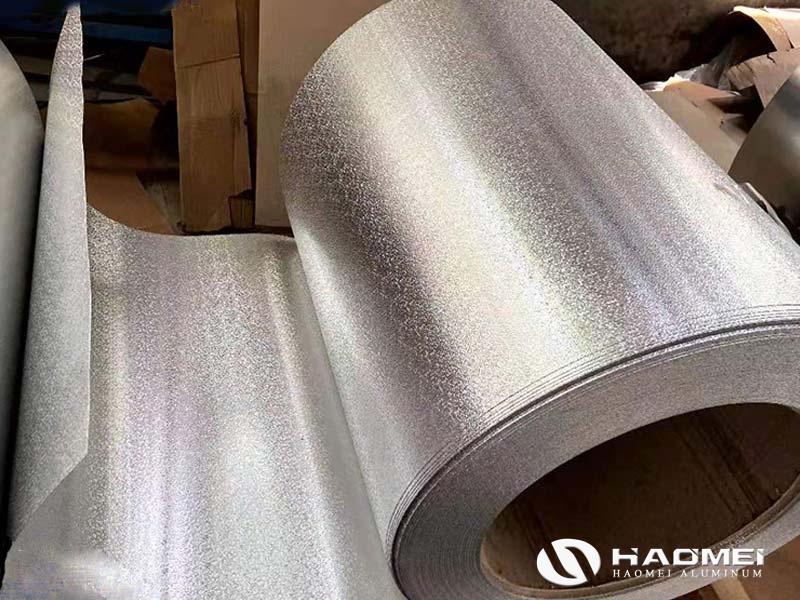
Stucco embossing is a controlled deformation process. The coil passes through matched embossing rolls where pressure, roll temperature, and line speed determine the final pattern definition. When any of those variables drift, customers see it immediately as uneven texture, inconsistent reflectivity, or micro-cracks after bending.
A supplier with strong technical foundations typically builds its quality around three manufacturing checkpoints:
Substrate stability before embossing. Coil shape, residual stress, and thickness tolerance affect how the pattern forms. Tight gauge control reduces the risk of "flat spots" or over-embossed zones at coil edges.
Embossing roll precision and maintenance. Roll wear changes pattern geometry over time. The best-performing suppliers track roll life and schedule regrinding to keep the texture within a narrow band.
Post-emboss surface protection. Many applications require clean, low-defect surfaces that do not pick up handling marks. A controlled film or interleaving strategy can reduce scuffing during ocean transport and warehouse movement.
One real industry detail buyers often reference: insulation jacketing and HVAC markets commonly rely on 3003 aluminium because manganese alloying helps formability and corrosion resistance while maintaining a practical cost-performance balance. A supplier that regularly runs 3003 in embossed form typically has more mature parameter windows for stable patterning and bending.
Purchasing teams evaluate samples, but production engineers judge a supplier by what happens during slitting, stamping, roll-forming, and lamination. High-performing embossed coil supply tends to deliver advantages that reduce downstream loss.
Refrigeration back panels, appliance liners, and reflective insulation facings may involve automated feeding and contact surfaces. Uniform embossing reduces friction variability, helping lines stay stable and minimizing unexpected stoppages.
Stucco patterns help hide minor handling marks compared to flat sheet. In practical terms, this can reduce rework for panels, housings, and cladding where cosmetic acceptability matters.
Embossed texture can support bonding in some lamination systems by increasing effective surface area. In multilayer insulation or jacketing builds, reliable surface condition and cleanliness often matter as much as the pattern itself.
A second industry detail that adds context: EN 485 is widely used in international trade as a reference for aluminium sheet/strip tolerances and mechanical properties. Buyers who specify to EN 485 values (or equivalent ASTM requirements) typically want documentation consistency across shipments, especially when coils are converted in multiple countries.
Stucco embossed aluminium coil is selected when customers need a balance of protection, appearance, and manufacturability.
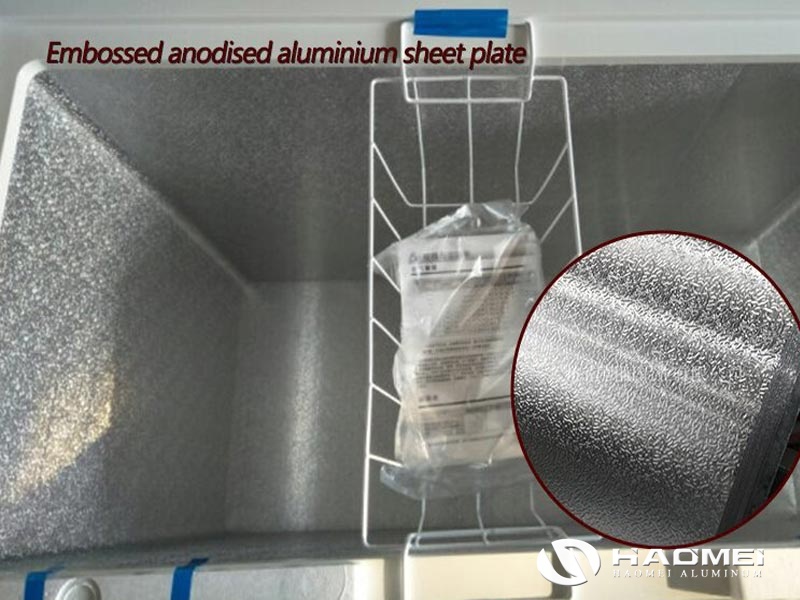
Refrigerator back panels, decorative internal parts, and protective covers often benefit from the texture's ability to reduce visible surface defects. Stable emboss depth also helps parts fit consistently when assemblies rely on precise clearances.
In thermal insulation systems, embossed aluminium is used as a protective outer layer. It resists everyday impacts and provides an industrial finish that holds up in plant environments. For buyers sourcing this category, the product page for Stucco Embossed Aluminum Coil is often where specifications like alloy, temper, thickness, and surface protection choices become most relevant.
Where visual texture is preferred and glare reduction is valuable, stucco patterns provide a practical option. The key is matching formability to the project's fabrication method, especially for profiles and bends.
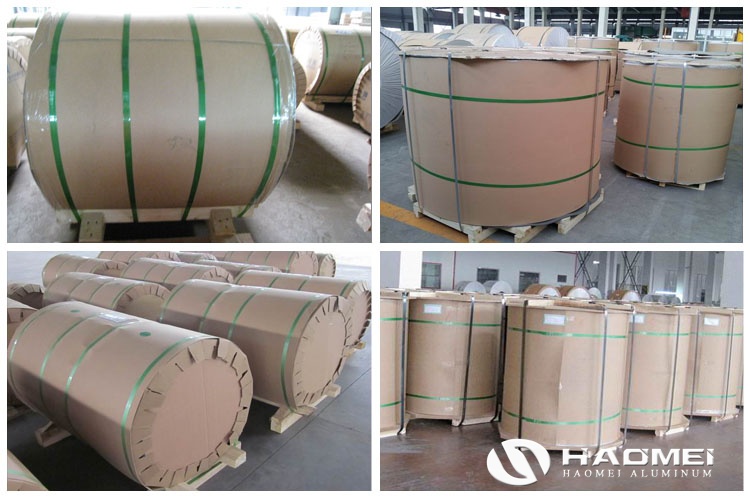
Export coils are rarely damaged by metallurgy; they are damaged by handling. Reliable suppliers treat packaging as part of product quality: edge protection, moisture barriers, and stable palletization to prevent telescoping during container movement.
Rather than focusing only on the pattern name, procurement teams get better results by confirming measurable controls:
Thickness and width tolerances aligned to the converting process
Repeatability of emboss depth and appearance across production lots
Surface protection method (film/interleaving) based on shipping distance and handling risk
Documentation that matches required standards and traceability expectations
When a stucco embossed aluminium coil supplier can answer those points clearly, it usually signals the deeper capability buyers want: stable process windows, disciplined QC, and coils that run smoothly in real production environments.