Hot Rolled Diamond Plate
Aug-05-2026
Hot rolled diamond plate remains a practical material choice where slip resistance, durability, low weight, and a clean industrial appearance must work together. Used across transportation, access systems, equipment enclosures, and marine-related fabrication, aluminum diamond plate provides a raised pattern that improves footing while retaining the corrosion advantages of aluminum.
The term hot rolled diamond plate commonly refers to tread plate produced from a hot-rolled aluminum substrate or coil route, followed by controlled rolling and pattern-forming operations. For buyers, the value is not simply the visible diamond pattern. It is the consistency of the base metal, tread definition, thickness control, flatness, and surface protection during processing and shipment.
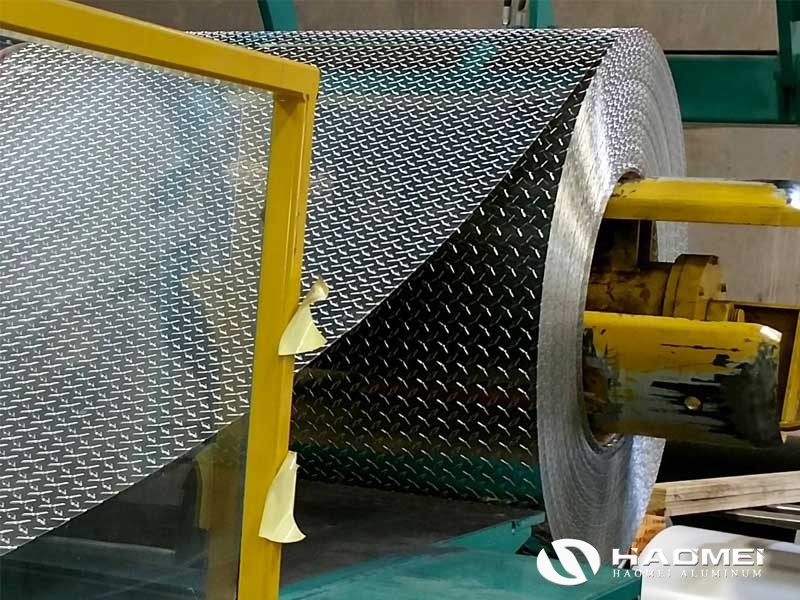
A dependable hot rolled diamond plate begins with alloy selection and coil preparation. The hot rolling process helps establish the material's base structure before later reduction, leveling, and embossing or tread-forming stages. Careful control of these steps supports more uniform mechanical performance across a plate or coil, especially when customers need repeatable bending, cutting, welding, or fabrication results.
Alloy choice should match the operating environment. Alloy 3003 is widely specified for general-purpose aluminum tread plate because it offers workable strength and good corrosion resistance. For applications exposed to moisture, salt spray, or more demanding industrial conditions, 5052 aluminum is often selected for its higher strength and stronger corrosion resistance. These grades are commonly supplied in tempers such as H22 or H32, depending on required formability and rigidity.
Industry specifications also matter. ASTM B632/B632M covers aluminum-alloy rolled tread plate and gives purchasers a useful reference point when defining dimensions, alloy, temper, workmanship, and inspection expectations. Matching product requirements to a recognized standard helps reduce uncertainty between procurement teams, fabricators, and end users.
The diamond pattern is designed to create raised contact points above the plate surface. This structure can improve traction for footwear, tires, carts, and equipment while allowing water and light debris to move around the raised tread. In practice, the pattern must remain well defined without causing excessive distortion in the sheet.
A well-controlled production process focuses on tread height consistency, clean pattern alignment, and surface quality. These characteristics influence not only appearance but also downstream assembly. Uneven pattern formation or poor flatness can complicate cutting, welding, fastening, and panel fitting.
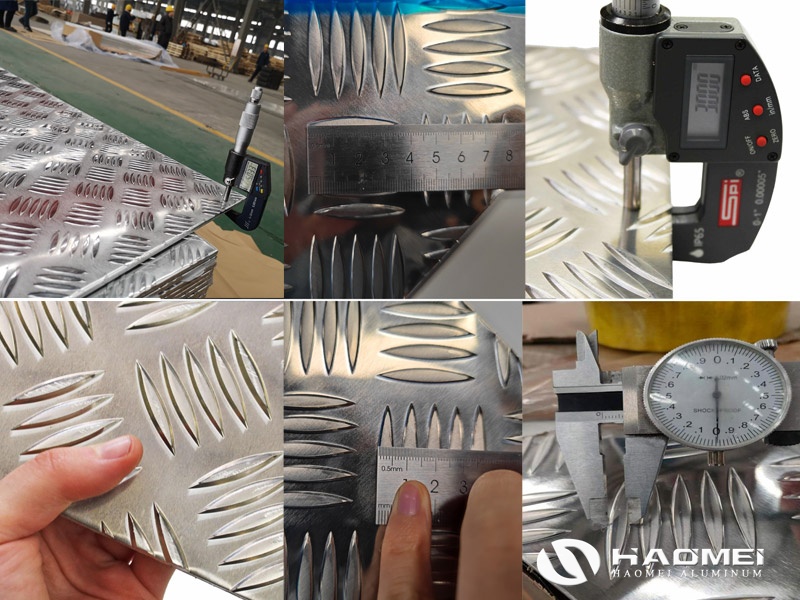
For this reason, incoming material checks and final inspections typically include thickness measurement, width verification, surface review, and confirmation of pattern quality. Protective interleaving or film can also be considered for decorative panels or applications where the mill finish must remain presentable after delivery.
Hot rolled diamond plate is frequently used for truck beds, trailer floors, loading ramps, toolboxes, vehicle steps, and protective side panels. Its lighter weight compared with steel can support payload-conscious transport designs, while the raised pattern provides a functional walking surface.
In factories and warehouses, diamond tread plate is used for work platforms, stair treads, machine guards, access covers, and maintenance walkways. Fabricators also use it for equipment housings, utility cabinets, and interior protection panels where a durable surface is preferred over painted steel.
Marine and coastal projects present another important application area. Aluminum's natural oxide layer helps resist corrosion, and 5052 tread plate is regularly considered for boat decks, gangways, dock components, and service platforms. Material selection should still account for galvanic corrosion risks when aluminum is joined with dissimilar metals in wet environments.
Buyers seeking sheet formats for fabrication can review our aluminum diamond plate range according to alloy, temper, thickness, width, length, and surface requirements.
The most useful specification for hot rolled diamond plate goes beyond a nominal thickness. It should identify the alloy, temper, pattern type, dimensions, tolerances, finish, packaging method, and destination conditions. Standard diamond patterns are common in vehicle and fabrication markets, while five-bar patterns are frequently used where broad directional traction is preferred.
Reliable export supply also depends on disciplined coil-to-sheet traceability, practical packing design, and clear documentation. By aligning production controls with the actual fabrication and transport conditions of each order, hot rolled diamond plate can arrive ready for efficient processing rather than requiring avoidable adjustments on site.