Hemispherical Embossed Aluminum Coil
Jun-03-2026
A hemispherical embossed aluminum coil is a textured aluminum product engineered to improve surface durability, appearance, slip resistance, and functional performance across industrial and architectural uses. For importers, distributors, and manufacturers, understanding how a hemispherical embossed aluminum coil is produced, specified, and applied helps reduce procurement risk and improves downstream processing results.
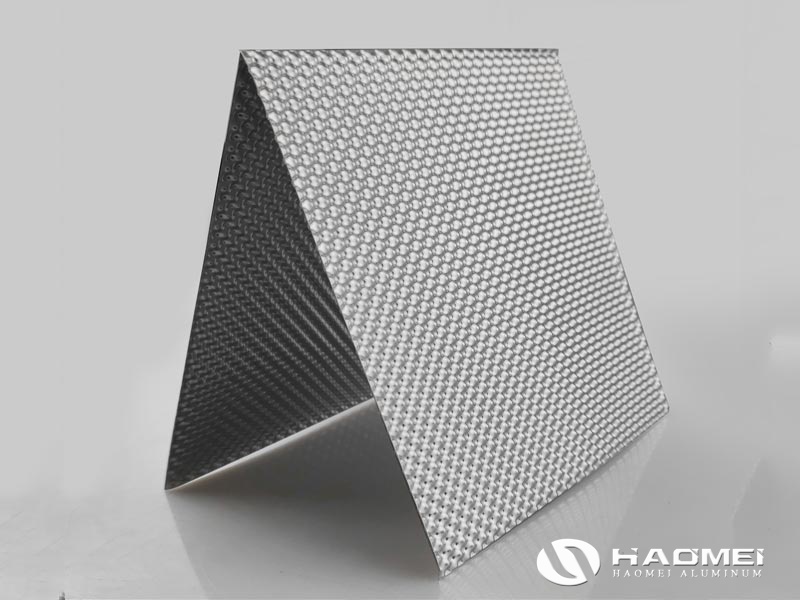
A hemispherical embossed aluminum coil is aluminum strip or rolled sheet that passes through an embossing process to create raised dome-like patterns on the surface. Unlike flat mill finish material, this pattern adds rigidity, helps hide scratches, and creates a more decorative and practical finish.
In export markets, hemispherical embossed aluminum coil is often selected for:
Refrigeration equipment cladding
Trailer and vehicle interiors
Building decoration panels
Insulation jacketing
Appliance panels
Cold room and storage applications
Anti-slip and protective coverings
The hemispherical pattern is valued because it offers a balanced combination of aesthetics and function. It can make thin-gauge aluminum appear more substantial while preserving the metal's lightweight advantage.
The production of hemispherical embossed aluminum coil begins with base aluminum coil, usually in common industrial alloys such as 1050, 1060, 1100, 3003, or 3105. The material is first rolled to target thickness, then cleaned, and in some cases coated or anodized before or after embossing depending on end-use requirements.
The embossing stage uses a precision roller engraved with a hemispherical pattern. Under controlled pressure, the design is transferred onto the aluminum surface. Technical consistency during this stage matters because uneven embossing can affect flatness, coating adhesion, and later fabrication.
Key manufacturing control points include:
Alloy chemistry consistency
Thickness tolerance
Embossing depth uniformity
Coil width accuracy
Surface cleanliness
Coating adhesion for color-coated grades
Packaging resistance to moisture and transit damage
For buyers in overseas markets, the quality of a hemispherical embossed aluminum coil is not determined only by visual pattern sharpness. Stable mechanical properties and reliable packaging are equally important, especially for sea freight shipments.
Choosing the right alloy is essential when specifying a hemispherical embossed aluminum coil. Different applications require different balances of corrosion resistance, formability, and strength.
These commercially pure aluminum grades offer excellent corrosion resistance and high formability. They are widely used when deep forming is limited and conductivity or reflectivity is important. A hemispherical embossed aluminum coil in 1050 or 1060 is often used for insulation, decorative sheet, and general industrial cladding.
1100 provides similar corrosion resistance with good workability. It is a practical choice for light-duty fabricated parts and decorative applications where moderate strength is acceptable.
3003 is one of the most requested options in export business. With manganese as the main alloying element, it offers improved strength over 1xxx series material while retaining good corrosion resistance and formability. A hemispherical embossed aluminum coil in 3003 is commonly used in refrigeration, wall panels, and protective coverings.
Common tempers include O, H14, H16, H18, and H24. The right temper depends on whether the customer needs easier bending or higher surface rigidity. For example:
O temper: better formability
H14/H24: balanced strength and workability
H18: harder surface, less formability
A hemispherical embossed aluminum coil is often chosen not just for decoration but for measurable service benefits.
The raised pattern helps reduce the visibility of dents, fingerprints, abrasion marks, and minor scratches. In high-contact environments such as appliance housings or interior transport panels, this is a useful advantage.
Embossing can enhance perceived and practical rigidity. This allows some manufacturers to optimize weight without sacrificing panel feel or installation performance.
Aluminum naturally forms a protective oxide layer. When the correct alloy and surface treatment are selected, a hemispherical embossed aluminum coil performs well in humid, industrial, and moderate outdoor environments.
The hemispherical pattern gives a modern industrial appearance that works well in visible applications. It is frequently preferred over plain sheet where branding, finish quality, and visual texture matter.
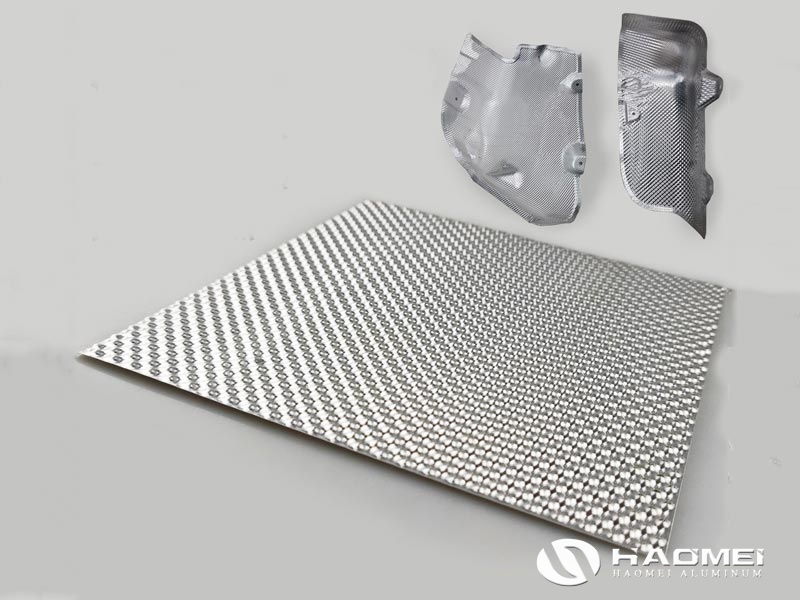
A hemispherical embossed aluminum coil may be supplied in several surface conditions depending on market demand.
Mill finish material is suitable for industrial uses where natural metallic appearance is acceptable. It is often more economical and preferred for further processing.
For architecture, appliances, and decorative cladding, coated material is increasingly popular. Polyester and PVDF coatings can improve weather resistance and color stability. Buyers should verify coating thickness, gloss level, and adhesion performance.
In selected markets, anodized embossed aluminum is used where enhanced corrosion performance and refined appearance are required. Surface compatibility with lamination, adhesive films, and protective masking should also be reviewed before order confirmation.
Processing methods commonly used after purchase include:
Shearing and slitting
Bending and roll forming
Punching
Laminating
Riveting and mechanical fastening
When specifying a hemispherical embossed aluminum coil for fabrication, it is wise to check whether the embossing height affects forming tools, nesting efficiency, or joint alignment.
In international trade, vague specifications often lead to claims, delays, or mismatched expectations. A clear purchase order for hemispherical embossed aluminum coil should normally include:
Alloy and temper
Thickness range
Width and coil ID/OD
Embossing pattern and depth
Surface finish or coating system
Color code if prepainted
Mechanical property requirements
Application environment
Packaging standard
Inspection method and acceptance standard
Typical thicknesses may range from about 0.2 mm to 1.2 mm, though heavier gauges are also available for specialized uses. Coil width is usually customized according to downstream processing needs.
Global demand for hemispherical embossed aluminum coil is influenced by construction upgrades, cold-chain infrastructure, appliance manufacturing, and lightweight transport applications. Buyers in the Middle East, Southeast Asia, Africa, Europe, and Latin America often look for products that combine corrosion resistance with a stable decorative surface.
From an export consultant's perspective, several purchasing trends are worth noting:
Experienced distributors increasingly prioritize quality consistency, packaging reliability, and lead time control. A low initial quote may become expensive if the embossed pattern is inconsistent or coils arrive with edge damage and moisture exposure.
More customers request custom width, branded protective film, and color-coated finishes. This is especially common in building materials and appliance panel segments.
For international shipments, buyers often request test certificates, coating reports, packing photos, and origin documents. A dependable hemispherical embossed aluminum coil supplier should be prepared to support these requirements efficiently.
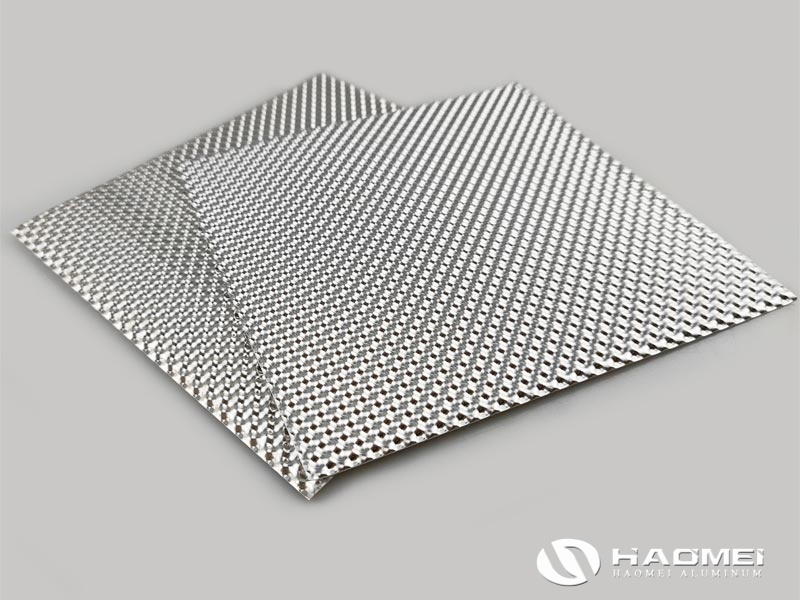
Selecting the right supply partner is as important as selecting the right alloy. Whether you are a distributor or OEM buyer, evaluate the supplier on the following points:
Check whether the manufacturer has stable rolling and embossing capacity, not just trading access. This affects consistency, lead time, and technical responsiveness.
A good supplier should monitor thickness tolerance, pattern clarity, coating performance, and packing quality. Request sample photos, inspection records, or third-party verification where needed.
For sea shipment, proper wooden pallet support, waterproof wrapping, anti-rust protection, and edge guards matter. Aluminum can be damaged by poor loading even when the material itself is sound.
Technical clarity is essential. A supplier handling hemispherical embossed aluminum coil should be able to discuss alloy differences, application matching, and realistic production tolerances rather than only quoting price.
In real trade practice, the most frequent issues with hemispherical embossed aluminum coil include:
Pattern inconsistency between batches
Oil stains or roller marks
Coil telescoping during shipment
Coating color variation
Edge damage from poor packaging
Incorrect temper for forming operations
These risks can be reduced by approving samples, confirming application details before production, and agreeing on inspection criteria in advance. For long-term projects, batch traceability is also recommended.
A hemispherical embossed aluminum coil creates the most value when the buyer needs a material that is lightweight, corrosion resistant, visually appealing, and easier to maintain than flat sheet in demanding environments. It is especially effective where appearance and durability need to coexist, such as refrigerated equipment shells, interior cladding, ceiling panels, vehicle conversion components, and insulated systems.
For distributors, this product category also offers flexibility because it can serve multiple end-use sectors with relatively minor specification adjustments. That versatility makes hemispherical embossed aluminum coil an attractive product for markets seeking both functional metal surfaces and decorative aluminum solutions.