Embossed Aluminum Coil China
Apr-30-2026
China has become one of the most important supply bases for embossed aluminum products, especially in the field of stucco and decorative surface processing. For buyers who source embossed aluminum coil China, the real value is not only in competitive cost, but also in process stability, alloy diversity, and large-scale delivery capability. From my experience in stucco embossed aluminum production and export, customers care most about one thing: whether the material performs consistently after forming, cutting, laminating, or outdoor use.
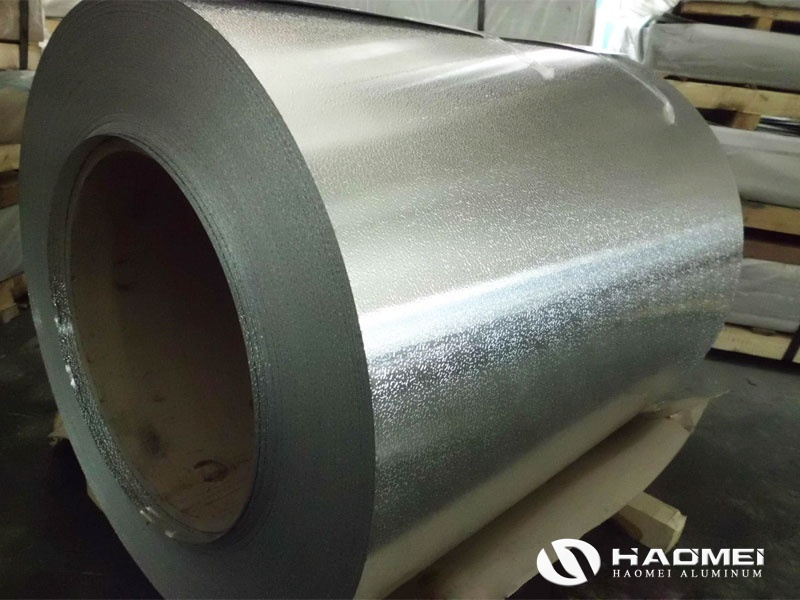
Embossed aluminum coil is produced by passing flat rolled aluminum through patterned rollers, creating a raised surface texture. The most common pattern is orange peel or stucco finish, but other designs such as diamond, pebble, and hammered patterns are also available. This textured finish improves appearance, enhances rigidity to some extent, and helps reduce visible scratches, fingerprints, and surface waviness during downstream processing.
In practical export business, the most requested alloys are 1050, 1060, 1100, 3003, 3004, 3105, and 5052. For indoor decorative and insulation jacketing use, 1xxx and 3xxx series are widely preferred because of their good formability, corrosion resistance, and cost efficiency. When higher strength or better marine corrosion resistance is required, 5xxx series becomes more attractive.
Typical specification ranges include:
Thickness: 0.2 mm to 2.0 mm
Width: 100 mm to 1500 mm
Coil inner diameter: 150 mm, 300 mm, 405 mm, 505 mm
Temper: O, H14, H16, H18, H24
Surface finish: mill finish embossed, coated embossed, anodized embossed
Pattern types: stucco, orange peel, diamond, pebble, customized texture
Among these, 0.3 mm to 1.0 mm is especially common for refrigeration panels, pipe insulation, trailer interiors, and wall cladding. In our production observation, thickness tolerance, embossing depth consistency, and flat edge control are often more important than simply quoting the lowest price. A coil that looks acceptable at first glance may still create trouble during slitting or bending if temper and embossing are not well matched.
For customers seeking stable supply, Stucco Embossed Aluminum Coil is often the most practical option because it balances formability, decorative effect, and anti-slip visual texture.
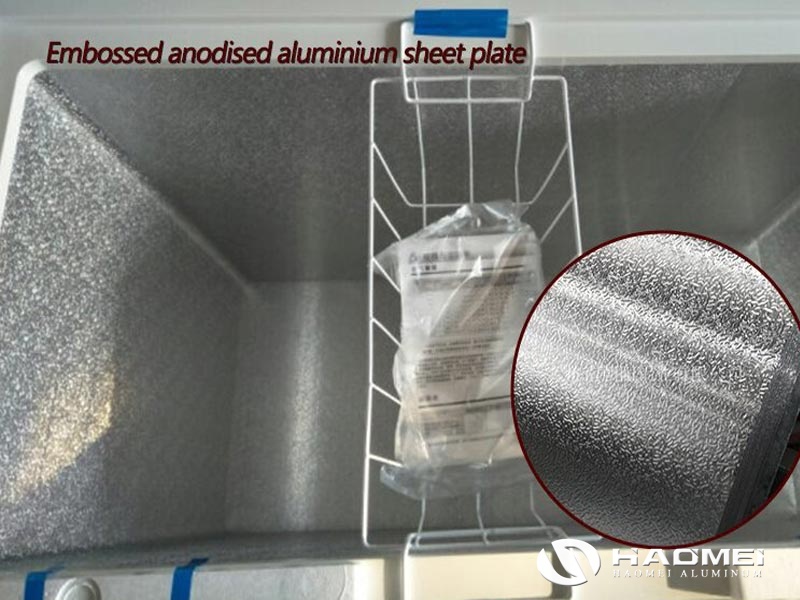
One major feature of embossed aluminum coil is its excellent surface practicality. The embossed texture can hide minor handling marks better than plain sheet, which is very helpful in appliance panels, cold room panels, and architectural trim. This is not just a cosmetic detail. In actual factory handling, coils are lifted, decoiled, leveled, and stamped, so a surface that tolerates light contact marks brings clear commercial value.
Another technical advantage is improved apparent stiffness. Embossing does not dramatically change the base alloy strength, but it does make thin material feel more rigid in certain applications. This allows some customers to maintain visual quality without moving to a much thicker gauge.
Corrosion resistance is also a strong point. Aluminum itself naturally forms a protective oxide layer, and when the right alloy and finish are selected, embossed coil performs reliably in humid, industrial, and light outdoor environments. Coated versions can further improve weather resistance and decorative performance.
The advantage of sourcing embossed aluminum coil from China is no longer limited to production volume. Today, experienced manufacturers can offer integrated services covering rolling, embossing, coating, slitting, cut-to-length processing, protective film application, and export packaging. This shortens lead time and reduces coordination cost for overseas buyers.
Another advantage is specification flexibility. Buyers often need customized width, specific temper, or packaging suitable for sea shipment. A mature Chinese supplier usually understands these details well, especially for customers in construction, refrigeration, and insulation industries. In export practice, moisture-proof packaging, edge protection, and pallet stability are essential. Good packaging is not a minor issue; it is part of product quality.
For projects involving building envelopes or insulation protection, Stucco Embossed Aluminium Cladding is also a highly relevant solution because it combines durability with a clean industrial appearance.
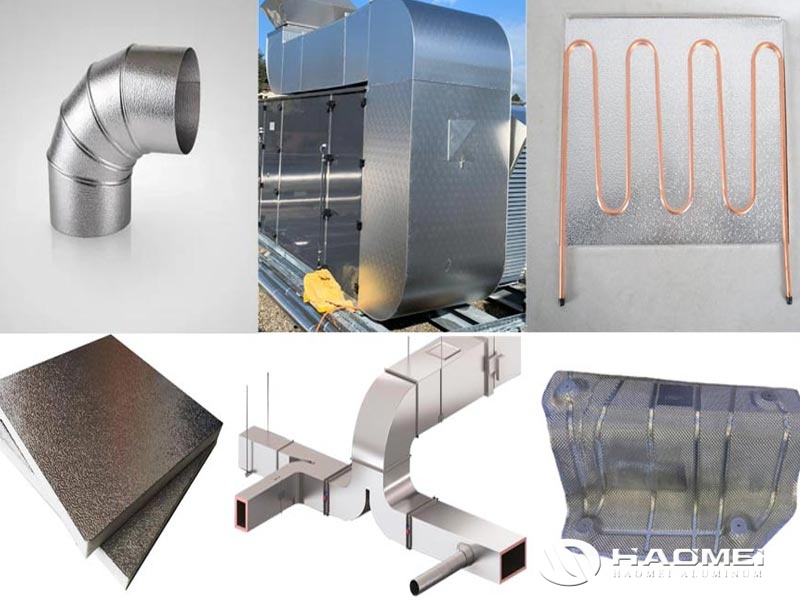
Embossed aluminum coil is widely used in refrigerators, freezers, cold rooms, ceilings, wall panels, insulation jacketing, HVAC systems, transportation interiors, decorative facades, and appliance housings. In refrigeration applications, the embossed finish helps improve panel appearance and reduces the visibility of dents during assembly. In insulation systems, stucco embossed aluminum is preferred for jacketing because it is lightweight, corrosion resistant, and easy to wrap around pipes and vessels.
From years of industry experience, I would say the most overlooked factor is application matching. Not every embossed coil should be sold with the same recommendation. A customer using the material for deep bending may need softer temper. A buyer using it for external cladding may focus more on coating adhesion, UV resistance, and color consistency. A refrigeration panel producer may be most sensitive to plate flatness and stamping behavior. Professional supply means understanding these differences before production starts.
That is why reliable embossed aluminum coil China suppliers usually pay close attention to alloy selection, embossing roller precision, elongation control, and packing details. The market is competitive, but customers stay with suppliers who deliver stable quality coil after coil. When the product runs smoothly in the customer's workshop, the price advantage becomes meaningful in a much stronger way.
For importers, distributors, and manufacturers, embossed aluminum coil from China remains a practical and technically mature choice. With the right supplier, it offers an effective combination of visual appeal, processing performance, corrosion resistance, and cost control across a wide range of industrial uses.