Diamond Plate Cost Per Square Foot
Aug-06-2026
When comparing aluminum tread materials, diamond plate cost per square foot is one of the most practical figures for budgeting. It allows fabricators, trailer builders, distributors, and project managers to compare sheets, coils, and cut-to-size panels without being distracted by different stock dimensions. However, the lowest price per square foot is not always the lowest installed or long-term cost. Alloy selection, base thickness, tread pattern, finish quality, protective film, dimensional tolerance, and freight all influence the real value of a diamond plate order.
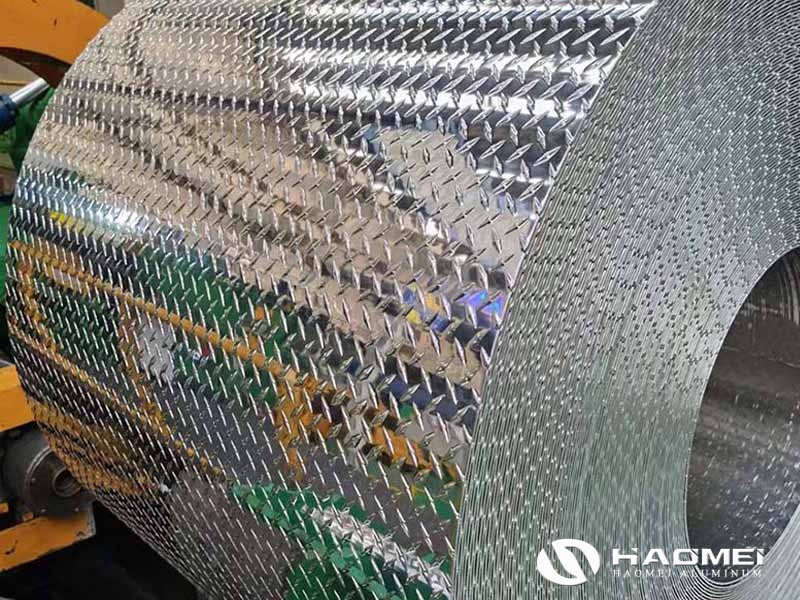
From a production perspective, pricing should be assessed by both surface area and material weight. Diamond plate is typically produced by embossing a raised pattern into aluminum sheet or coil. The visible tread adds slip resistance and rigidity, but the base metal thickness remains the key factor in load-bearing performance. A thin decorative panel and a heavy-duty truck-floor sheet may look similar at first glance, yet their cost per square foot and working capability are very different.
The diamond plate cost per square foot generally rises with thickness, alloy grade, finish, and order quantity. For reference, thin utility-grade aluminum tread plate may be priced at a lower level for large-volume orders, while polished, coated, or heavy-gauge material commands a higher rate. Small retail purchases also cost more per square foot because of cutting, packaging, warehousing, and handling expenses.
A useful purchasing formula is:
Cost per square foot = Total material cost / Total usable sheet area
For example, a 4 x 8 sheet contains 32 square feet. If the sheet price is $320, the nominal cost is $10 per square foot. Buyers should still account for offcuts, pattern direction, edge trimming, and project waste. In our experience, using the full panel dimensions in the calculation can understate the actual cost for projects with many narrow or irregular parts.
For projects requiring standard panels, our 4x8 aluminum diamond plate options provide a practical format for flooring, wall protection, toolboxes, and vehicle applications. Standard sizes often reduce processing time and help control the delivered cost per square foot.
Most aluminum diamond plate is made from 3003 or 5052 alloy. 3003 aluminum tread plate offers good formability, corrosion resistance, and economical pricing. It is widely used for decorative panels, stair treads, interior protection, and light-duty flooring.
5052 aluminum diamond plate has higher strength and better resistance to marine and industrial environments. It is commonly specified for boat decks, truck bodies, trailers, docks, and wet-area walkways. Although 5052 usually costs more per square foot, it can be the better value where corrosion resistance and durability are critical.
Common tempers include H22, H24, and H32, depending on alloy and required formability. A proper temper supports consistent flatness, embossing quality, and fabrication performance.
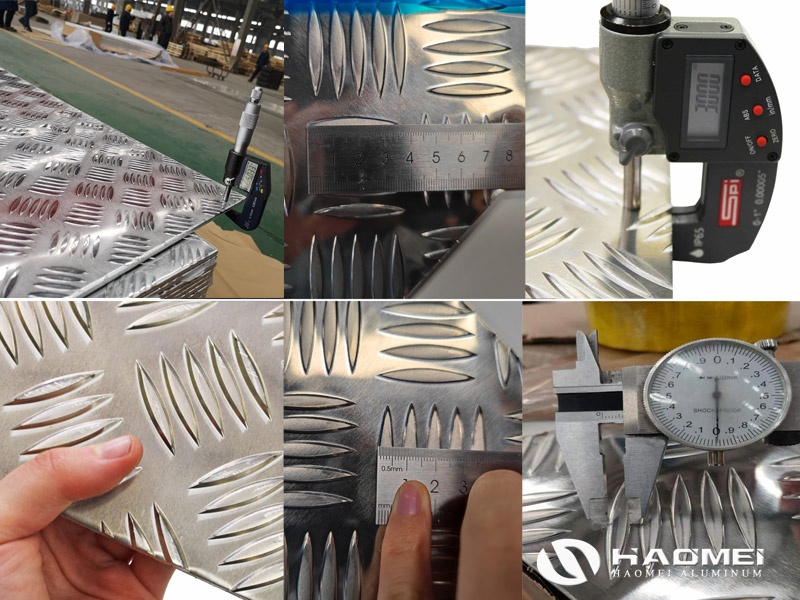
Popular base thicknesses include 0.045 inch, 0.063 inch, 0.080 inch, 0.100 inch, 0.125 inch, 0.190 inch, and 0.250 inch. Thicker material has a higher weight per square foot and naturally increases cost, but it improves dent resistance and structural durability. Buyers should clarify whether a quoted thickness refers to the base gauge or the overall height including the raised diamonds.
A well-defined diamond plate sheet specification should state alloy, temper, base thickness, overall thickness, width, length, tread pattern, finish, and allowable tolerances. This avoids comparing unlike products under one price label.
Mill finish is typically the most economical option. Bright or polished finishes add visual appeal for display panels, garage interiors, retail fixtures, and custom vehicle work, but require more controlled processing and protective packaging. Painted, anodized, or color-coated diamond plate may add cost while delivering improved appearance and easier design coordination.
Protective PVC film is also worth considering for polished sheets. It adds a modest material cost, yet helps prevent scratches during fabrication, transport, and installation. For appearance-sensitive work, this small investment can prevent expensive replacement claims.
Aluminum diamond plate offers a strong balance of low weight, corrosion resistance, attractive appearance, and practical traction. Compared with steel tread plate, aluminum is easier to handle and reduces dead weight in trailers, vehicles, and portable equipment. Its naturally corrosion-resistant oxide layer is especially valuable in humid, coastal, and washdown environments.
The raised diamond pattern improves grip under normal working conditions and helps conceal minor scuffs. Aluminum also machines, cuts, bends, rivets, and welds efficiently when the correct alloy and fabrication method are selected. These benefits reduce labor time and maintenance demands, which can matter more than a small difference in initial cost per square foot.
Diamond plate is used across transportation, construction, marine, industrial, and architectural sectors. Typical applications include:
Trailer floors, ramps, fenders, and side panels
Truck toolboxes, pickup bed protection, and service vehicles
Boat decks, gangways, dock surfaces, and marine cabinets
Stair treads, walkways, platforms, and equipment guards
Wall cladding, corner guards, elevator panels, and retail displays
Garage floors, workshop benches, and custom fabrication projects
For light decorative uses, thinner 3003 material is often sufficient. For trailer decks, marine structures, and high-impact equipment areas, a thicker 5052 grade is generally the safer technical choice. We regularly advise buyers to start with the application load, exposure conditions, and fabrication method before selecting a thickness. That approach prevents overspecification while ensuring the plate performs as expected.
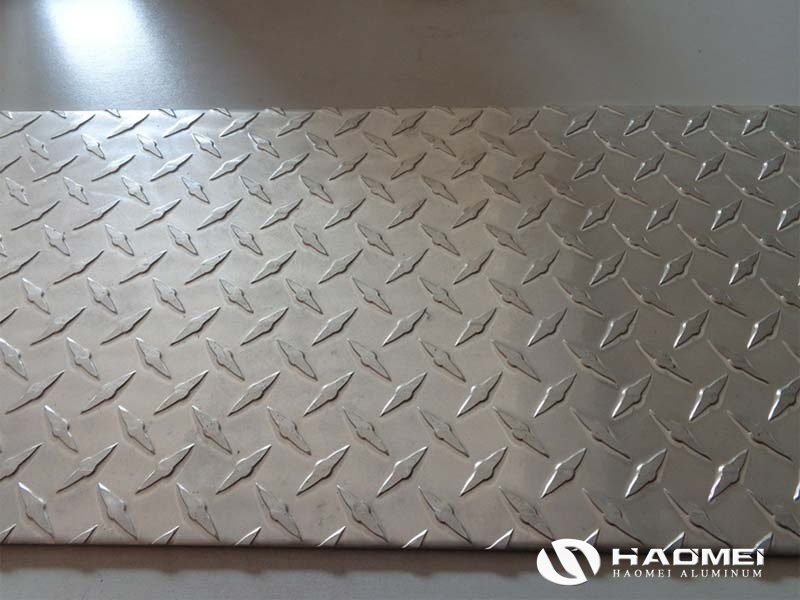
To obtain a competitive diamond plate cost per square foot, provide complete inquiry details: alloy, temper, thickness, pattern, finish, sheet size, quantity, destination port, and packaging requirements. Large-volume coil or full-sheet orders usually offer better material efficiency than many small custom cuts. At the same time, precise cut-to-size supply can reduce scrap and labor for projects with repeatable components.
Reliable suppliers control thickness tolerance, pattern definition, surface quality, flatness, and export packaging. These details directly affect fabrication yield and customer satisfaction. A clear specification, realistic freight calculation, and application-matched alloy will produce a more meaningful cost comparison than selecting material based on the cheapest quoted square-foot price alone.