Diamond Tread Aluminum Sheet in Silver
Jul-16-2026
A diamond tread aluminum sheet in silver is one of the most practical materials used where slip resistance, corrosion protection, and a clean metallic appearance are required at the same time. In export production, I often see buyers focus first on thickness and size, but the real performance of this sheet depends on alloy selection, temper, pattern height, surface consistency, and packing control. A good silver tread plate should not only look bright and uniform; it should also remain stable during cutting, bending, installation, and long-term service.
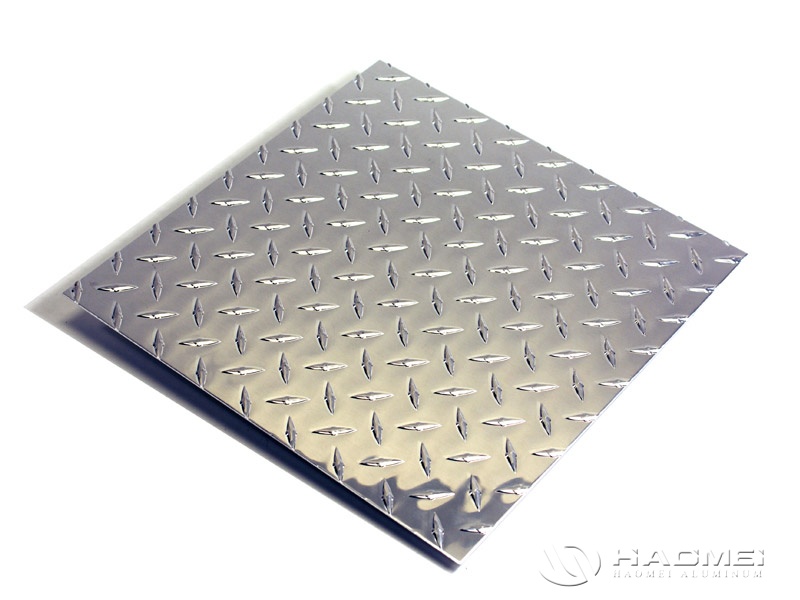
The common alloys for diamond tread aluminum sheet in silver include 3003, 5052, and 6061. Alloy 3003 is widely used for general flooring, wall protection, tool boxes, and decorative panels because it offers good formability and moderate strength. Alloy 5052 provides better corrosion resistance, especially in humid, marine, or chemical environments. Alloy 6061, especially in T6 temper, is selected when higher structural strength is needed.
Typical tempers include H14, H22, H24, H32, and T6, depending on alloy and application. For thickness, the market commonly uses 1.0 mm to 6.0 mm, while heavy-duty industrial flooring may require 6.35 mm, 8.0 mm, or thicker plates. Standard sheet sizes include 4x8 ft, 4x10 ft, 1000 x 2000 mm, 1220 x 2440 mm, 1250 x 2500 mm, and 1500 x 3000 mm. Customized cutting is also common for trailer panels, stair treads, elevator interiors, and vehicle floors.
Pattern types may include one bar, two bar, three bar, five bar, and diamond pattern. For products described as diamond tread, the raised lugs are arranged to improve traction from multiple directions. Pattern height is usually controlled according to base thickness and customer requirements. In practical inspection, we check both base thickness and total thickness, because some users only compare total thickness and overlook the actual load-bearing base metal.
For customers comparing specifications, a properly selected Diamond Plate Aluminum Sheet should balance thickness, alloy, temper, tread height, and surface finish instead of relying on one parameter only.
The silver finish can be mill finish, bright finish, brushed, polished, or anodized. Mill finish silver is the most economical and widely used option. It has a natural aluminum color and may show slight rolling marks, which are acceptable for industrial applications. Bright or polished silver tread sheet has stronger reflectivity and is preferred for decoration, retail fixtures, wall panels, and architectural trim.
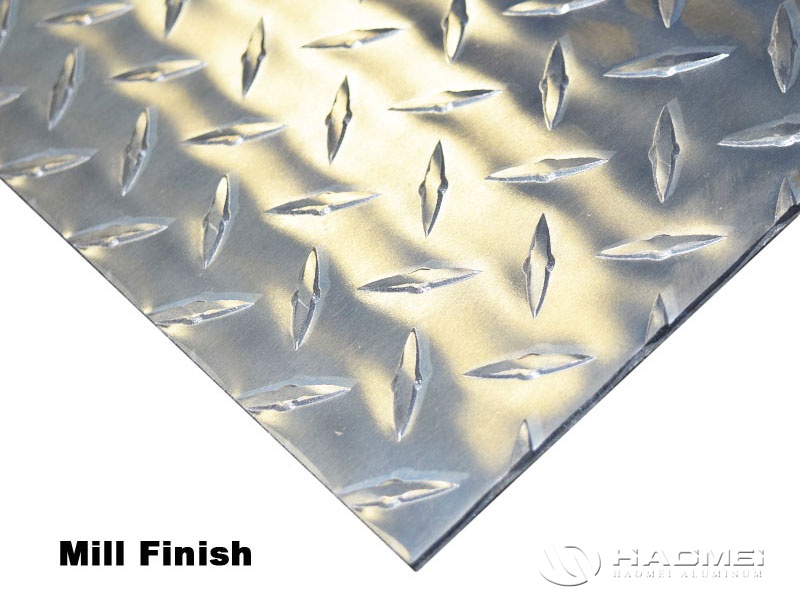
From a production perspective, surface control is very important. Oil stains, black lines, roller marks, water spots, and uneven brightness can affect both appearance and customer acceptance. For export orders, protective film can be applied when the surface needs extra protection during fabrication or transport. Paper interleaving and moisture-proof packaging are also useful, especially for sea shipment.
The first advantage is slip resistance. The raised diamond pattern increases friction underfoot, making it suitable for steps, ramps, walkways, platforms, and vehicle floors. Compared with flat aluminum sheet, diamond tread sheet provides better grip in areas where dust, water, or oil may be present.
The second advantage is corrosion resistance. Aluminum naturally forms a protective oxide layer, and alloys such as 5052 perform especially well outdoors or in wet environments. This makes silver diamond tread aluminum sheet a strong choice for boats, dock panels, food trucks, service vehicles, and industrial access platforms.
The third advantage is lightweight strength. Aluminum is much lighter than steel, which helps reduce vehicle weight, installation labor, and transportation cost. In trailer and truck body manufacturing, this weight saving can be valuable over the entire service life of the equipment.
Another practical advantage is ease of processing. Diamond tread aluminum sheet can be cut, drilled, bent, welded, and riveted with standard metalworking equipment. However, the bending direction and pattern side should be considered before fabrication. For visible parts, the operator should also protect the raised tread from scratches during handling.
Silver diamond tread aluminum sheet is used in industrial flooring, stair treads, loading ramps, workshop platforms, tool boxes, truck beds, trailers, cold storage floors, elevator decoration, wall cladding, garage interiors, kick plates, and commercial vehicle panels. For architectural projects, its metallic silver surface gives a clean and modern style while still offering durability.
In marine and outdoor environments, 5052 tread sheet is often preferred due to its improved anti-corrosion performance. For heavy mechanical platforms, thicker 6061 tread plate may be selected if higher strength is required. For general decorative or light-duty anti-slip use, 3003 is usually economical and easy to fabricate.
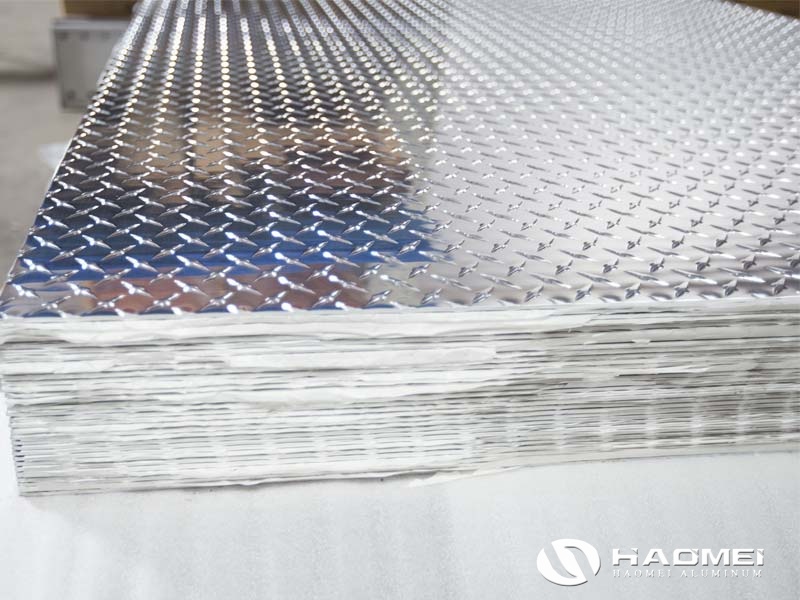
When evaluating diamond tread aluminum sheet in silver, buyers should confirm alloy certificate, thickness tolerance, sheet flatness, diagonal accuracy, pattern clarity, surface condition, and packaging method. If the sheet will be installed in a visible area, surface grade should be clearly agreed before production. If the sheet will be used as flooring, loading conditions and span distance should be considered before selecting thickness.
For thickness selection, many engineers refer to an Aluminum Diamond Plate Thickness Chart to match application requirements with safe and economical material choices. In my experience, the best orders are not always the thickest sheets, but the sheets specified correctly for their working environment.
A reliable silver diamond tread aluminum sheet should deliver stable mechanical performance, neat appearance, accurate dimensions, and secure packing. These details may seem small, but they are exactly what separate a standard product from a product that performs smoothly after arrival, fabrication, and installation.