Diamond Plate Sheets for Sale Near Me
Jul-17-2026
When customers search for diamond plate sheets for sale near me, they are usually looking for more than a shiny patterned metal sheet. They want the right alloy, the right temper, reliable thickness, clean surface quality, fast availability, and a fair market price. In my experience in the aluminum industry, the best purchase is not always the lowest quote. It is the sheet that performs well in the actual environment, cuts cleanly, installs smoothly, and keeps its appearance after months or years of service.
Aluminum diamond plate, also called tread plate, checker plate, or floor plate, is widely used because it combines anti-slip texture, corrosion resistance, light weight, and decorative value. Whether you need material for trailer flooring, truck beds, stair treads, wall panels, tool boxes, ramps, or workshop protection, choosing the correct specification will save both fabrication time and long-term maintenance cost.
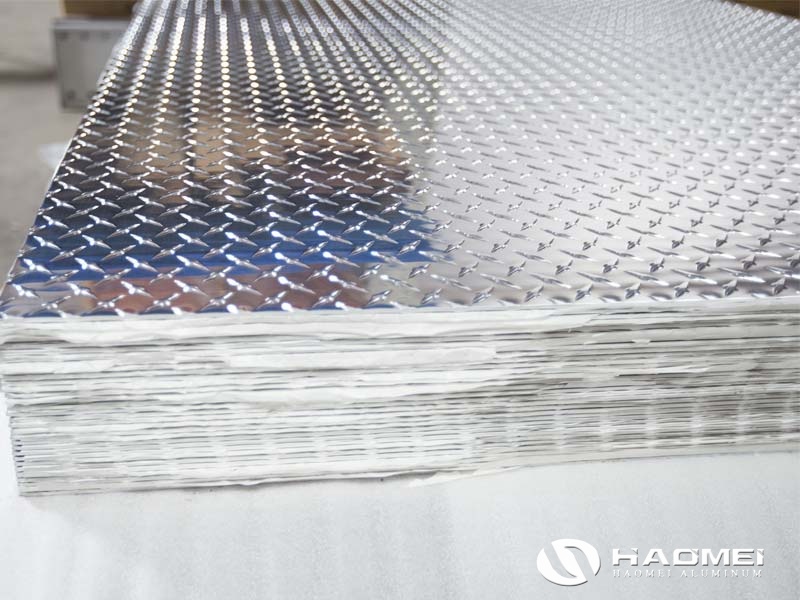
Diamond plate sheets are aluminum sheets with a raised pattern rolled into the surface. The pattern may be one-bar, two-bar, three-bar, five-bar, or classic diamond tread, depending on the mill and regional market preference. The raised design increases friction underfoot and adds rigidity compared with flat sheet of similar thickness.
For buyers comparing local stock and online supply, our Diamond Plate Sheet options can be supplied in common sizes such as 4x8 ft, 4x10 ft, 5x10 ft, and custom cut lengths. Standard mill finish is popular, while polished, bright, embossed, anodized, or coated finishes may be selected for decorative or architectural work.
Different projects require different alloy choices. From years of quoting and supplying aluminum tread plate, I have seen that many field problems start with using a general-purpose grade where a marine-grade or structural alloy was actually needed.
| Alloy | Typical Temper | Main Features | Common Applications |
|---|---|---|---|
| 1060 | H24, H18 | High purity, excellent formability, bright surface | Decorative panels, light-duty wall protection |
| 3003 | H22, H24 | Good corrosion resistance, easy forming, economical | Trailer panels, flooring, stairs, tool boxes |
| 5052 | H32, H34, H114 | Strong corrosion resistance, better strength than 3003 | Marine flooring, wet areas, vehicle parts |
| 5754 | H114, H22 | Good weldability, durable in transport applications | Truck floors, ramps, industrial platforms |
| 6061 | T6 | High strength, good machinability, structural performance | Heavy-duty ramps, structural flooring, platforms |
For most commercial flooring and general fabrication, 3003-H22 or 3003-H24 is a practical and cost-effective choice. For marine, coastal, chemical, or wet environments, I usually recommend 5052 because it offers better corrosion resistance and toughness. For heavy-duty structural loading, 6061-T6 is often preferred, although it is less formable than 3003.
Temper defines the hardness, strength, and forming behavior of aluminum. Buyers sometimes focus only on thickness, but temper can be just as important. A 3003-H22 sheet and a 6061-T6 sheet may look similar on the surface, yet they behave very differently during bending, welding, and installation.
H22 and H24: Strain-hardened and partially annealed tempers, commonly used for 3003 diamond plate. They provide a good balance of strength and workability.
H32 and H34: Often used for 5052, giving improved strength while maintaining corrosion resistance.
H114: A common tread plate temper, especially for 5-bar and floor plate products. It is suitable for flooring where pattern integrity and plate stability matter.
T6: Heat-treated temper for 6061, delivering higher strength for structural or load-bearing uses.
O temper: Soft annealed condition, less common for finished tread plate but useful when deep forming is required.
If a project involves bending the sheet around corners or forming tight edges, a more formable alloy and temper should be selected. If the sheet will carry concentrated loads, strength and deflection resistance become more important.
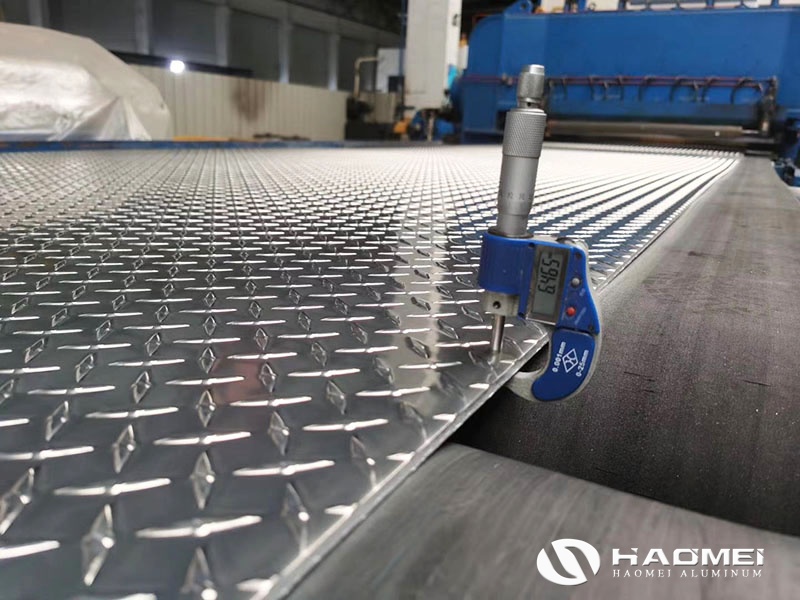
Our aluminum diamond plate sheets are produced with attention to surface consistency, pattern definition, dimensional tolerance, and mechanical performance. Professional buyers usually check several points before confirming an order.
Aluminum weighs about one-third as much as steel, making it easier to handle, transport, and install. For trailers, trucks, and mobile equipment, reduced weight can improve payload efficiency and fuel economy.
The raised diamond pattern helps improve traction, especially in walkways, ramps, stairs, and service platforms. For high-risk wet areas, choosing the right pattern height and keeping the surface clean are both important.
Aluminum naturally forms a protective oxide layer. Alloys such as 3003 and 5052 perform especially well in general outdoor environments. In marine or coastal projects, 5052 is often a safer long-term choice.
Diamond plate can be cut, drilled, sheared, welded, riveted, and formed with suitable equipment. For visible applications, careful handling is necessary to avoid scratches on the raised pattern.
The bright, industrial look of aluminum tread plate makes it suitable for both functional and decorative uses. It is common in garages, retail displays, elevator interiors, food trucks, workshops, and commercial wall protection.
Searching diamond plate sheets for sale near me can bring up local metal stores, distributors, fabrication shops, and online suppliers. Local availability is useful for urgent jobs, but an experienced aluminum supplier can often provide better alloy matching, wider thickness options, and more stable batch quality.
Our Aluminum Diamond Plate supply focuses on practical project needs, not just catalog numbers. When customers ask for recommendations, I usually confirm five details first: application, environment, load requirement, thickness, and surface finish. These details help avoid overbuying expensive material or under-specifying a sheet that may fail early.
Important purchasing advantages include:
Broad alloy selection for general, marine, decorative, and structural uses
Common sizes in stock, including 4x8 sheets and custom-cut pieces
Stable tread pattern with clean edges and consistent thickness
Mill finish, bright finish, polished finish, or coated options
Practical packaging for export, warehouse delivery, or jobsite handling
Competitive pricing based on real aluminum market movement
Thickness selection depends on the application. Thin sheets are suitable for wall panels and trim, while thicker plates are used for floors, ramps, and load-bearing surfaces.
| Thickness | Typical Use | Buying Note |
|---|---|---|
| 0.025-0.063 in | Decorative panels, light wall covering | Easy to cut, not for heavy traffic |
| 0.080-0.100 in | Tool boxes, cabinet panels, vehicle trim | Good balance of weight and rigidity |
| 1/8 in | Trailer walls, shop panels, light flooring | One of the most popular choices |
| 3/16 in | Ramps, stairs, service platforms | Better stiffness for frequent use |
| 1/4 in | Heavy-duty flooring and industrial work | Higher cost but stronger performance |
For many buyers, 4x8 ft aluminum diamond plate is the easiest size to handle and transport. Larger sheets reduce seams but require proper lifting and storage. If you are comparing quotes, always check whether the quoted thickness includes the base plate only or refers to overall height including the raised tread.
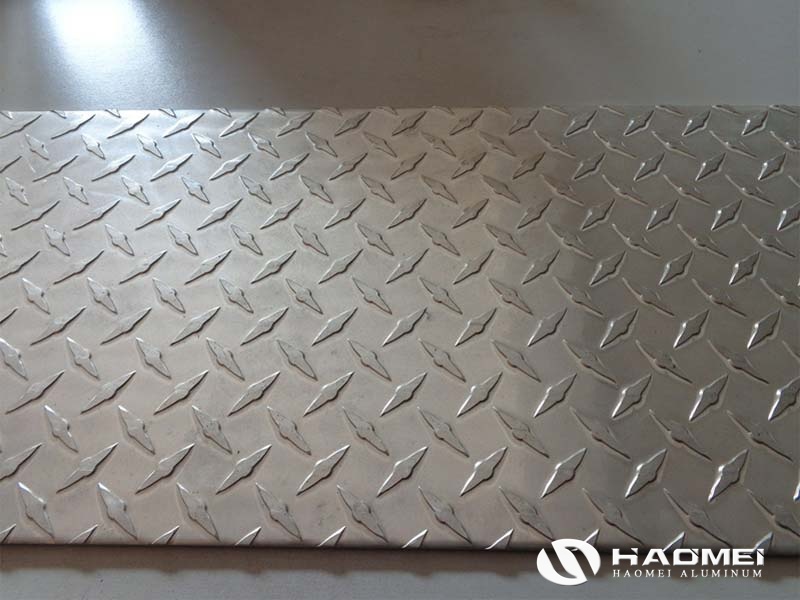
Diamond plate sheets are used in a wide range of industries because they solve both safety and appearance problems.
Trailer floors, truck beds, running boards, mud flaps, and loading ramps often use aluminum tread plate to reduce weight while improving durability. 3003 is common for general use, while 5754 and 6061 are selected for heavier-duty requirements.
Boat decks, dock panels, gangways, and marine storage boxes benefit from 5052 aluminum diamond plate. Its corrosion resistance makes it more reliable in saltwater or humid conditions.
Factories, warehouses, workshops, and maintenance platforms use diamond plate for slip resistance and wear protection. For areas with rolling carts, forklifts, or concentrated loads, thickness and support spacing should be carefully calculated.
Diamond plate is not only a floor material. It is frequently used for wall cladding, elevator panels, garage interiors, retail displays, column protection, and modern industrial-style decoration.
Aluminum diamond plate is easy to fabricate into tool boxes, storage cabinets, machinery covers, and protective guards. It offers a professional look while resisting corrosion better than many painted steel alternatives.
As someone who follows aluminum pricing closely, I always remind buyers that diamond plate price is influenced by more than the base metal value. The final cost reflects aluminum ingot price, rolling conversion cost, alloy premium, temper control, tread pattern, finish, thickness, packaging, freight, and order volume.
When the aluminum market moves quickly, a quote that looked attractive last week may no longer reflect current mill cost. For project purchasing, it is wise to confirm validity dates, stock availability, lead time, and freight terms before making a decision. If your project has repeated demand, locking in a stable supplier can be more valuable than chasing every small price change.
Before placing an order, prepare a simple specification list:
Alloy and temper, such as 3003-H22 or 5052-H32
Sheet size, such as 48 x 96 in or custom cut
Base thickness and tread height requirements
Finish, including mill, polished, bright, anodized, or coated
Quantity and packaging method
Application environment, especially indoor, outdoor, marine, or chemical exposure
Fabrication needs, such as bending, welding, drilling, or CNC cutting
A professional supplier should be able to explain why one alloy is better than another for your job. If you are unsure, share drawings, photos, or usage conditions. A good recommendation at the beginning can prevent installation issues later.
If you need diamond plate sheets for sale near me for a quick repair, local stock may be enough. If you need consistent quality for production, vehicle manufacturing, architectural work, or export projects, work with a supplier that understands alloy behavior, temper control, tolerances, and market pricing. The right aluminum diamond plate should meet your mechanical requirements, look clean after installation, and arrive with documentation that supports confident fabrication.
For project orders, I recommend comparing total delivered cost rather than sheet price alone. Freight, cutting loss, packaging damage, and inconsistent surface quality can quickly erase a small price advantage. A well-specified diamond plate sheet gives better value, smoother production, and longer service life.