Diamond Plate Metal Near Me
Jul-09-2026
When buyers search for diamond plate metal near me, they are usually trying to solve an urgent sourcing problem: finding a tread plate that is durable, slip resistant, correctly sized, and available at a fair price. A good search for diamond plate metal near me should not stop at the nearest warehouse. It should also include alloy selection, thickness tolerance, surface quality, logistics, and long-term supply stability.
As a technical material, diamond plate is more than a decorative sheet. It is used for truck beds, trailers, stair treads, toolboxes, wall protection, flooring, docks, workshops, and industrial platforms. As a procurement item, it requires the same discipline as any engineered metal product: confirm the specification first, then compare suppliers.
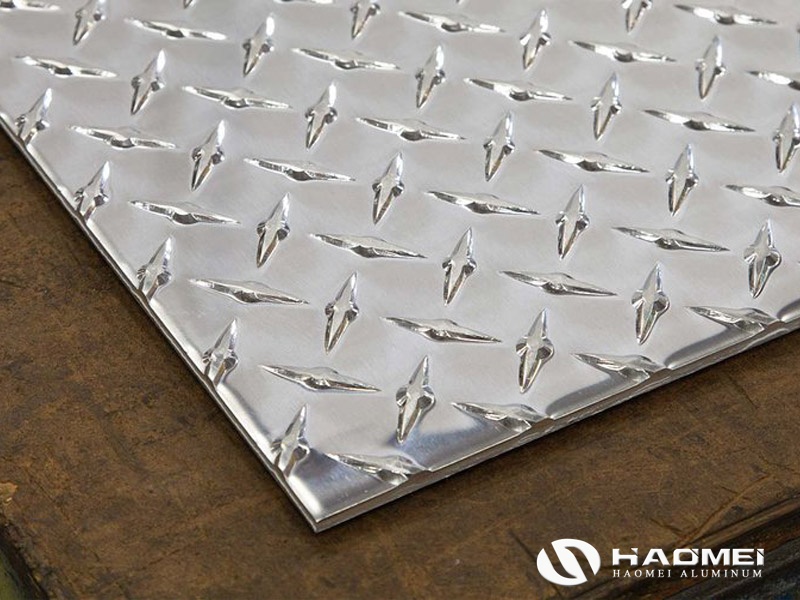
The phrase diamond plate metal near me often brings up local service centers, hardware stores, metal distributors, and fabrication shops. Local inventory is useful when you need a few sheets quickly, but not every nearby option will meet industrial or export-grade requirements.
From a technical purchasing perspective, check these points before ordering:
Alloy grade, such as 3003, 5052, 5754, 6061, or steel alternatives
Temper, such as H22, H24, H114, or T6 depending on alloy
Base thickness and raised pattern height
Sheet size, flatness, and cutting tolerance
Surface finish, including mill finish, bright finish, painted, or anodized options
Protective film, paper interleaving, pallet quality, and moisture prevention
Applicable standards such as ASTM, EN, GB/T, or customer drawings
A nearby result is only valuable if it can provide clear material documentation. If your diamond plate metal near me search leads to a seller that cannot confirm alloy, temper, and tolerance, treat the offer carefully.
A reliable diamond plate metal near me result should match the material to the working environment. Aluminum diamond plate is popular because it combines corrosion resistance, moderate strength, easy fabrication, and attractive appearance. Carbon steel diamond plate is stronger and cheaper in some markets, but it is heavier and requires corrosion protection. Stainless steel diamond plate offers excellent corrosion resistance, but cost is higher.
For aluminum, the most common choices include:
3003 aluminum diamond plate: good workability, corrosion resistance, and cost balance for general flooring, wall panels, and toolboxes.
5052 aluminum diamond plate: better corrosion resistance and strength, suitable for marine, transport, and outdoor applications.
5754 aluminum tread plate: widely used in Europe for vehicles, shipbuilding, and industrial flooring.
6061 aluminum tread plate: higher strength, often selected for structural parts when proper temper and design are required.
For buyers comparing gauges and end-use performance, Aluminum Diamond Plate specifications should be reviewed against load, span, traffic type, and exposure conditions rather than appearance alone.
For many distributors, diamond plate metal near me is a local search term, but the supply chain behind the product is global. Local warehouses may stock standard sizes, while mills and exporters provide broader thickness ranges, custom widths, coil supply, and container-level pricing.
Local purchase is suitable when:
You need 1 to 20 sheets immediately
Standard sizes are acceptable
Cutting and pickup are more important than unit price
Documentation requirements are basic
Import sourcing is suitable when:
You need repeat orders or full container quantities
Custom thickness, width, pattern, or surface finish is required
Your business serves multiple branches or regional distributors
You need stable pricing based on mill production
Packaging and export documents must meet project requirements
When diamond plate metal near me leads to high local prices or limited stock, overseas procurement can become a strategic option. China-based aluminum tread plate mills and exporters often support mixed thicknesses, 4 x 8 sheets, 4 x 10 sheets, coils, and customized packing for distributors.
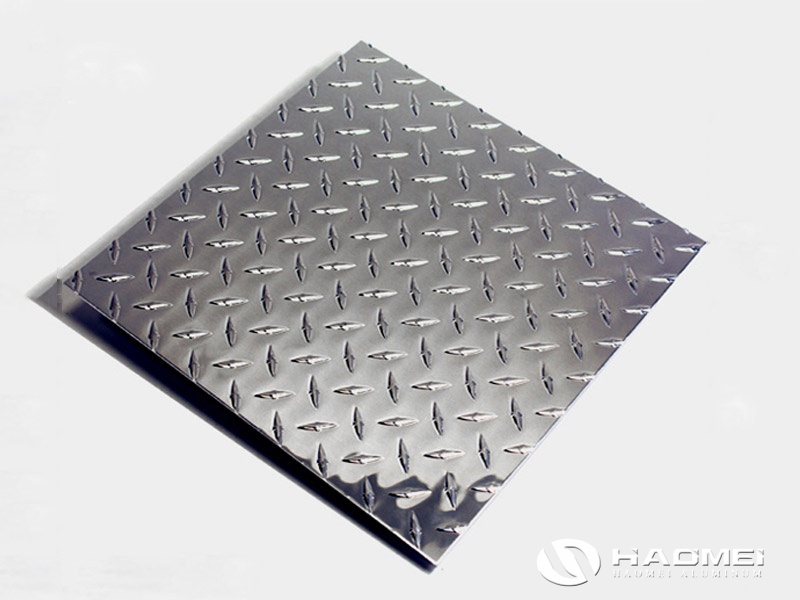
The best diamond plate metal near me option depends on the application. A decorative garage wall panel does not need the same alloy as a wet marine walkway. A delivery truck floor has different requirements than a retail display panel.
For indoor decorative protection, 3003 alloy is often economical and easy to cut. For outdoor stair treads, 5052 or 5754 may offer better corrosion resistance. For vehicle parts that require strength, engineers may evaluate 6061, but fabrication methods and heat treatment must be considered. For painted or black diamond plate, surface preparation and coating adhesion matter as much as the base alloy.
If you are buying for resale, keep a balanced stock program. Standard mill finish sheets cover broad demand, while specialty surfaces such as bright, polished, embossed, black, or color-coated sheets can serve higher-margin projects.
Most diamond plate metal near me searches include common sheet sizes such as 4 x 8, 4 x 10, 5 x 10, or cut-to-size panels. In North American markets, 48 x 96 inches is especially common. In Europe, metric sizes are widely requested, including 1000 x 2000 mm, 1250 x 2500 mm, and 1500 x 3000 mm.
Thickness selection should consider both base metal and raised pattern. Some sellers describe nominal thickness, while others list base thickness without the raised diamond. This difference can affect weight, price, and load performance.
Common aluminum diamond plate thickness ranges include:
Thin decorative sheets: 0.8 mm to 1.5 mm
General wall and toolbox sheets: 1.5 mm to 3.0 mm
Flooring and trailer sheets: 3.0 mm to 6.0 mm
Heavy-duty industrial use: above 6.0 mm, depending on design
If you are building inventory around standard sheet demand, 4x8 Aluminum Diamond Plate is a practical category because it fits many fabrication, transport, and construction applications.
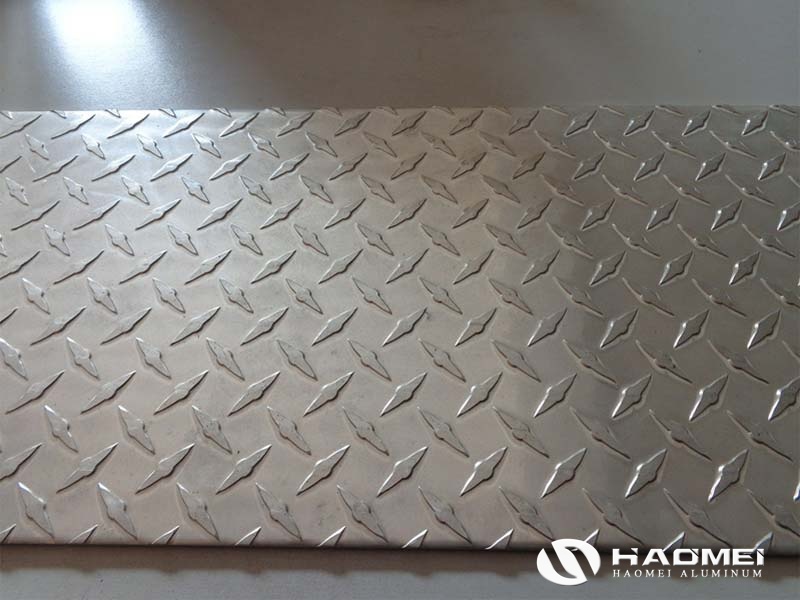
A common issue in diamond plate metal near me searches is price inconsistency. One supplier may quote by sheet, another by square foot, and another by weight. To compare accurately, convert all offers into price per kilogram, price per metric ton, or price per square meter based on confirmed thickness.
Main price drivers include:
Aluminum ingot market price
Alloy and temper
Thickness and width
Sheet versus coil form
Pattern type, such as diamond, 5-bar, or checker
Surface finish and coating
Quantity and production lot size
Packaging standard
Inland freight, ocean freight, duty, and local delivery
When you compare diamond plate metal near me with imported supply, include total landed cost. A lower ex-works price is not always the best choice if packaging is weak, tolerance is unclear, or delivery timing is unstable. For distributors, consistent quality and predictable replenishment often matter more than the lowest single shipment price.
A professional diamond plate metal near me purchase should include inspection checkpoints. Even if the material is bought locally, defects can still occur during rolling, cutting, handling, or storage.
Key quality points include:
Uniform diamond height and clear pattern definition
No oil stains, severe scratches, oxidation marks, or water stains beyond agreed limits
Accurate length, width, and diagonal tolerance
Flat sheets without excessive waviness
Correct alloy certificate and batch traceability
Strong pallets suitable for forklift handling
Edge protection and moisture-resistant wrapping for export shipments
If your diamond plate metal near me supplier imports material, ask how they control mill inspection and container loading. For export buyers, photos before shipment, packing lists, mill test certificates, and third-party inspection can reduce risk.
Global buyers often search diamond plate metal near me because demand is fragmented and application-driven. Contractors need a few panels for stairs. Trailer manufacturers need repeat supply. Distributors need mixed specifications for inventory. Marine service companies need corrosion-resistant grades quickly.
Several market trends are shaping demand:
Lightweighting in transport continues to support aluminum tread plate.
DIY garage and workshop renovation increases demand for decorative diamond plate.
Industrial safety upgrades require slip-resistant flooring materials.
Local warehouses are reducing slow-moving inventory, creating opportunities for direct import.
Buyers increasingly request certificates, traceability, and better packaging.
For overseas distributors, diamond plate metal near me is also a signal of end-user behavior. Customers want local availability, but local availability depends on smart stocking, reliable import planning, and accurate market forecasting.
Before confirming diamond plate metal near me, use a structured checklist:
Define the application: decorative, flooring, vehicle, marine, industrial, or resale.
Confirm material: aluminum, steel, or stainless steel.
Select alloy and temper based on corrosion, strength, and fabrication needs.
Verify thickness, including whether the raised pattern is included.
Confirm sheet size, tolerance, and cutting method.
Ask for photos or samples if surface appearance is important.
Compare price by weight or area, not only by sheet.
Review packaging, especially for long-distance delivery.
Check lead time, stock status, and replacement policy.
Request certificates for commercial or engineering projects.
This approach turns diamond plate metal near me from a simple location-based search into a professional sourcing process.
The strongest result for diamond plate metal near me is not always the closest warehouse or the lowest price. It is the supplier that understands alloy performance, surface requirements, tolerances, and logistics. For small urgent jobs, local pickup may be ideal. For distributors, manufacturers, and project buyers, combining local stock with direct export supply can reduce cost and improve product coverage.
Diamond plate is a visible material, but its real value is technical: anti-slip function, corrosion resistance, strength-to-weight efficiency, and stable fabrication performance. When your diamond plate metal near me search includes these factors, purchasing becomes more accurate, inventory becomes more profitable, and end users receive material that performs as expected.