Aluminum Sheet Stucco Finish
May-25-2026
An aluminum sheet stucco finish is widely used in industrial insulation, refrigeration panels, architectural trim, and transport equipment because it combines light weight, corrosion resistance, and a textured surface that improves both appearance and function. For buyers, contractors, and distributors, understanding how an aluminum sheet stucco finish is produced, specified, and selected helps reduce sourcing risk and improve long-term performance in export markets.
An aluminum sheet stucco finish refers to aluminum sheet or coil that has been mechanically embossed with a textured pattern, often similar to orange peel or pebbled skin. This pattern is not only decorative. In practice, an aluminum sheet stucco finish can reduce glare, improve scratch resistance in visible applications, and add rigidity compared with plain sheet of the same thickness.
The material is commonly supplied in alloys such as 1050, 1060, 1100, 3003, and 3105, depending on the balance required between formability, corrosion resistance, and strength. In export business, 3003 is often preferred for jacketing and cladding because of its good corrosion behavior and forming properties, while 1050 or 1060 may be selected when high purity and cost control are priorities.
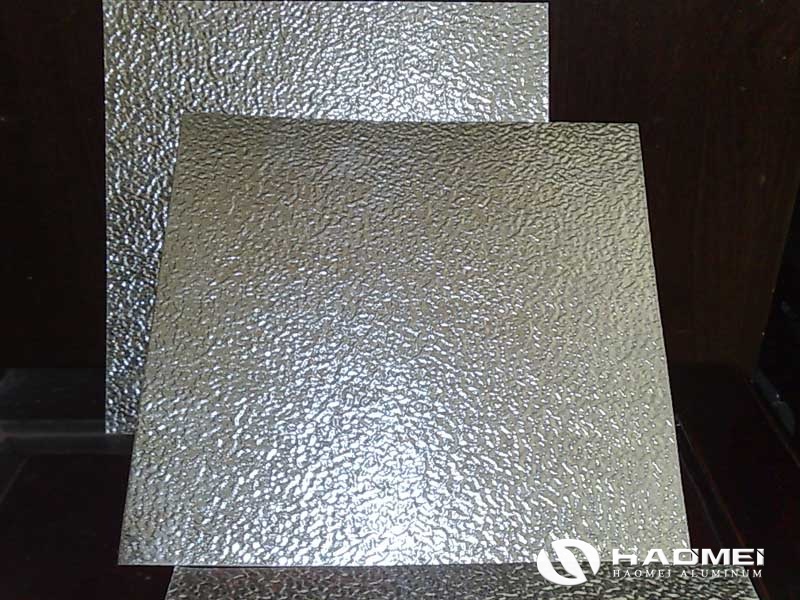
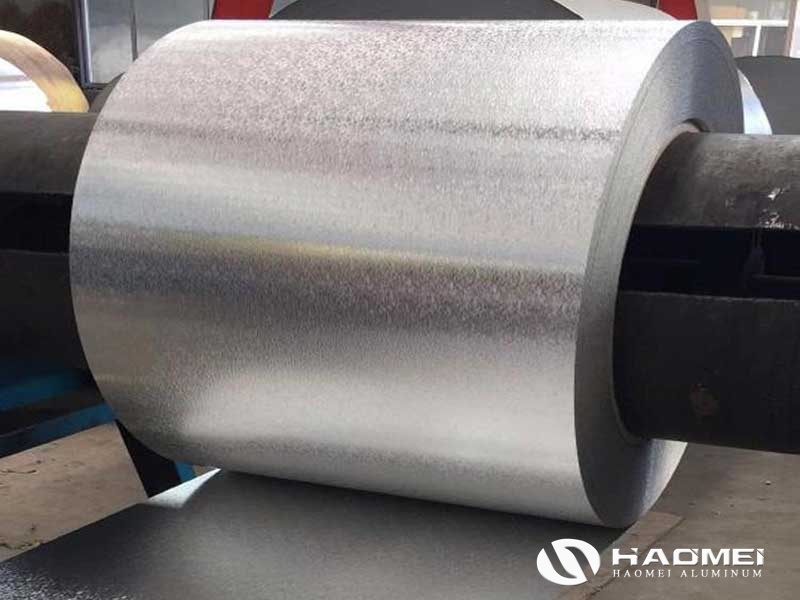
The production of an aluminum sheet stucco finish usually begins with a standard rolled coil or sheet. The base metal passes through embossing rollers that imprint the raised texture onto the surface. After embossing, the material may be trimmed, leveled, cut to length, or recoiled depending on the customer requirement.
Several technical factors affect the quality of an aluminum sheet stucco finish:
Base alloy and temper
Thickness tolerance
Embossing depth consistency
Surface cleanliness before rolling
Coil flatness and edge condition
Protective film or moisture barrier options
For export orders, suppliers should also pay close attention to packaging strength, especially for long transit by sea. Textured aluminum can still suffer edge damage, pressure marks, or water staining if pallets, eye-to-sky wrapping, and desiccant protection are not properly managed.
From an engineering and commercial perspective, an aluminum sheet stucco finish offers several measurable benefits.
The embossed pattern helps hide minor scratches, handling marks, and installation wear. This makes an aluminum sheet stucco finish especially suitable for visible service environments such as appliance interiors, wall panels, cold room systems, and insulation covering.
Compared with smooth mill finish sheet, the textured surface diffuses reflected light. This is useful in architectural and equipment applications where harsh reflection is undesirable.
Although embossing does not transform a thin sheet into a structural plate, it can improve perceived rigidity and handling stability. In many light-duty applications, this allows an aluminum sheet stucco finish to perform better than flat sheet where dent visibility is a concern.
Aluminum naturally forms a protective oxide layer. When the right alloy is selected and the surface is properly handled, an aluminum sheet stucco finish performs well in humid and outdoor environments. For insulation jacketing, this property is one reason why buyers often compare it favorably with galvanized alternatives.
The best aluminum sheet stucco finish specification depends on the final use.
Typical market options include:
Alloy: 1050, 1060, 1070, 1100, 3003, 3105
Temper: O, H14, H16, H24
Thickness: about 0.3 mm to 1.2 mm for many common uses
Width: often 500 mm to 1500 mm
Supply form: sheet or coil
For pipe insulation and industrial wrapping, buyers often review Stucco Embossed Aluminum Jacketing as a practical format because coil dimensions, moisture barrier options, and forming behavior directly affect installation efficiency.
When selecting temper, softer tempers improve bendability, while harder tempers may offer better resistance to deformation during transport and installation. The correct balance depends on whether the material will be deep formed, wrapped around equipment, or used as a flat decorative panel.
One of the largest application sectors for aluminum sheet stucco finish is thermal insulation jacketing. It is used to cover insulated pipes, tanks, and ducts in petrochemical plants, power stations, commercial buildings, and food processing sites. The embossed texture helps reduce visual damage during handling and gives the finished system a professional industrial appearance.
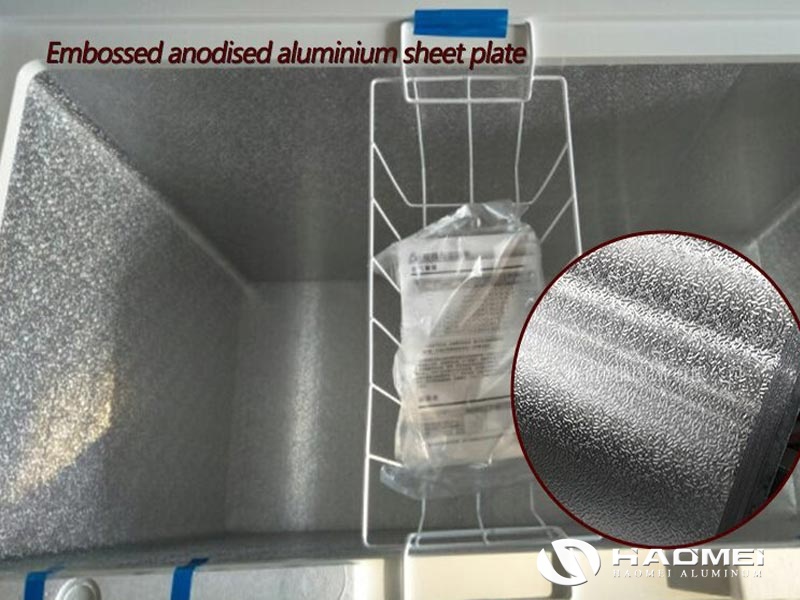
An aluminum sheet stucco finish is widely used in refrigerators, freezers, cold storage doors, and evaporator covers. The textured pattern helps mask stains and minor abrasions while maintaining a clean metallic look.
In building products, aluminum sheet stucco finish appears in ceilings, wall cladding, column covers, elevator interiors, and decorative trims. Buyers focused on facade or protective building skins often compare sheet solutions with Stucco Embossed Aluminium Cladding because weather exposure, appearance retention, and installation method are closely related.
Trailers, toolboxes, service vehicles, and light industrial enclosures may also use aluminum sheet stucco finish where moderate rigidity, low weight, and a durable textured look are required.
Experienced importers rarely purchase an aluminum sheet stucco finish based on price alone. The more reliable approach is to confirm the full technical package.
Important checkpoints include:
Alloy certificate and temper confirmation
Actual thickness and width tolerance
Embossing pattern uniformity
Surface quality on both sides
Coil ID, OD, and sheet length tolerance
Packaging method for sea shipment
Mill test certificate and inspection photos
A frequent issue in cross-border supply is confusion between nominal thickness and finished thickness after embossing. Buyers should confirm whether the quoted gauge refers to the base sheet before embossing or the finished material after texture formation. This detail can affect weight calculation, forming behavior, and final cost.
The price of an aluminum sheet stucco finish is usually influenced by five major components:
LME or primary aluminum market level
Alloy series and temper
Thickness and width
Surface treatment or coating requirement
Order volume and packaging standard
Export buyers should also account for destination-related factors such as fumigation rules, pallet standards, insurance, and port handling. A low ex-works price may not translate into the best landed cost if the supplier lacks strong export packaging or documentation discipline.
Current international demand for aluminum sheet stucco finish remains steady in insulation, cold chain, and light architectural applications. Several trends are shaping purchase decisions:
More buyers request small-batch mixed specifications
Moisture barrier and protective film options are gaining importance
Regional distributors want faster lead times rather than only lower unit prices
End users increasingly compare life-cycle value instead of initial metal cost alone
For distributors, this means stock planning should focus on mainstream alloys and practical thicknesses with broad conversion potential. For project buyers, it is wise to align specifications with the fabrication method and local climate rather than over-specifying the material.
When importing aluminum sheet stucco finish from China or other major manufacturing hubs, a professional sourcing process typically includes sample approval, technical sheet confirmation, production photo review, and final packing verification. This is especially important for customers serving refrigeration, insulation, and building product sectors where finish consistency matters.
A dependable supplier should be able to explain:
Which alloy fits your application
Whether sheet or coil is more economical
What temper supports your forming process
How embossing affects width and flatness
What packaging protects the cargo during long-distance shipment
For repeat orders, standardizing these details can reduce claims, simplify customs documents, and improve downstream manufacturing efficiency.
The best aluminum sheet stucco finish is not simply the cheapest or the thickest option. It is the material that matches the service environment, forming method, visual requirement, and import logistics plan. A refrigeration panel producer may prioritize cleanliness and uniform texture, while an insulation contractor may focus more on corrosion resistance, coil workability, and field installation speed.
When the specification is aligned with the actual use, an aluminum sheet stucco finish delivers a practical combination of performance, appearance, and export value. That is why it continues to be a preferred material across industrial and commercial markets where lightweight metal surfaces must perform reliably over time.