4 x 8 Sheet of Diamond Plate
Jul-21-2026
A 4 x 8 sheet of diamond plate is one of the most requested tread plate formats in construction, transport, flooring, toolboxes, wall protection, and equipment manufacturing. For overseas distributors and project buyers, the 48 x 96 inch size offers a practical balance between coverage, container loading efficiency, fabrication yield, and inventory flexibility. As an export supplier, we also see that this size is easier for downstream customers to cut, bend, drill, and install with standard workshop equipment.
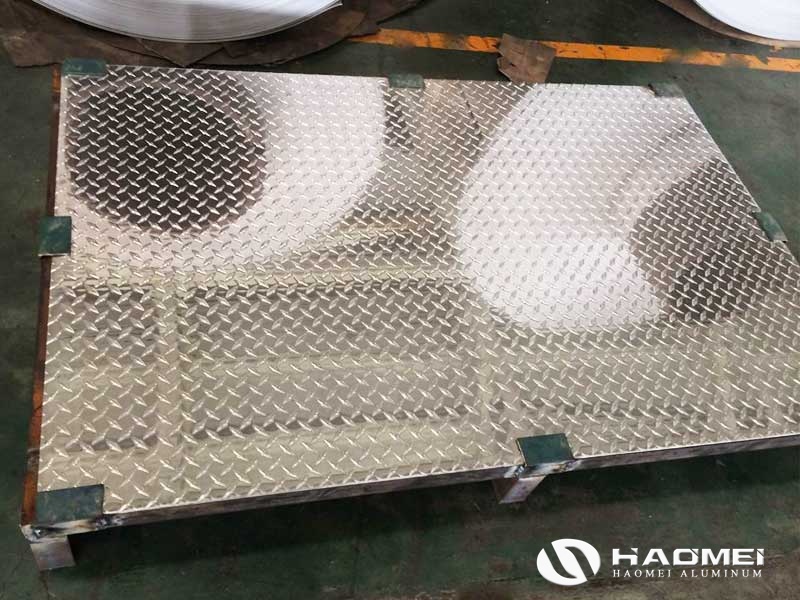
The popularity of a 4 x 8 sheet of diamond plate is not accidental. It matches common building panel dimensions, truck bed layouts, trailer flooring requirements, and fabrication tables in North America, the Middle East, Europe, Southeast Asia, and Latin America. A standard sheet size helps importers simplify stock keeping units, reduce waste, and respond quickly to mixed orders from contractors and OEM workshops.
For buyers comparing steel, stainless steel, and aluminum tread plate, aluminum is often selected when weight reduction, corrosion resistance, and visual appearance are important. A 4 x 8 sheet of diamond plate in aluminum is easier to handle than carbon steel, especially in vehicle bodies, marine docks, access platforms, food service interiors, and decorative wall panels.
Many distributors use a 4x8 Diamond Plate Sheet category as a core inventory item because it covers both industrial and retail demand. When the product is well packed and dimensionally stable, it can serve fabricators, maintenance companies, elevator contractors, trailer builders, and home improvement channels.
A 4 x 8 sheet of diamond plate normally refers to a flat metal sheet with a raised tread pattern on one side. The base sheet provides structural support, while the raised diamond or five-bar pattern improves grip, impact resistance, and surface durability. In aluminum production, the pattern is formed by rolling, not by welding separate ribs onto the surface.
The most common aluminum alloys for a 4 x 8 sheet of diamond plate include 3003, 5052, and 6061. Alloy 3003 is widely used for general decorative and light-duty flooring applications because it has good formability and moderate strength. Alloy 5052 provides better corrosion resistance and is preferred for marine, outdoor, and chemical environments. Alloy 6061 offers higher strength and is commonly specified for structural fabrication where mechanical performance matters.
| Alloy | Typical Use | Main Advantage |
|---|---|---|
| 3003 | Wall panels, cabinets, light flooring | Easy forming and economical cost |
| 5052 | Marine decks, outdoor platforms, truck panels | Better corrosion resistance |
| 6061 | Structural parts, machinery platforms | Higher strength and machinability |
A well-specified 4 x 8 sheet of diamond plate should define alloy, temper, base thickness, pattern height, surface finish, flatness tolerance, and packing method. These details prevent disputes and make international purchasing more predictable.
Thickness is one of the most important technical decisions when purchasing a 4 x 8 sheet of diamond plate. Buyers should distinguish between base thickness and overall thickness. Base thickness refers to the flat sheet thickness before the raised pattern, while overall thickness includes the tread height. This distinction affects strength calculations, bending performance, weight, and price.
Common aluminum thickness options include 1.5 mm, 2.0 mm, 2.5 mm, 3.0 mm, 4.0 mm, 5.0 mm, and 6.0 mm. In imperial markets, common specifications include 0.063 in, 0.080 in, 0.100 in, 0.125 in, 0.188 in, and 0.250 in. A thin 4 x 8 sheet of diamond plate is suitable for wall protection, kick plates, cabinet cladding, and light decorative work. A thicker sheet is more appropriate for trailer floors, ramps, stair treads, equipment platforms, and loading areas.
For technical comparison, buyers can refer to an Aluminum Diamond Plate Thickness Chart before confirming a purchase order. The chart helps connect nominal thickness, actual weight, bending behavior, and application range.
When evaluating a 4 x 8 sheet of diamond plate, avoid choosing thickness only by price. A sheet that is too thin may deform under point loads, while an over-specified sheet increases freight cost and inventory value. The best selection depends on span, support spacing, expected load, installation method, and service environment.
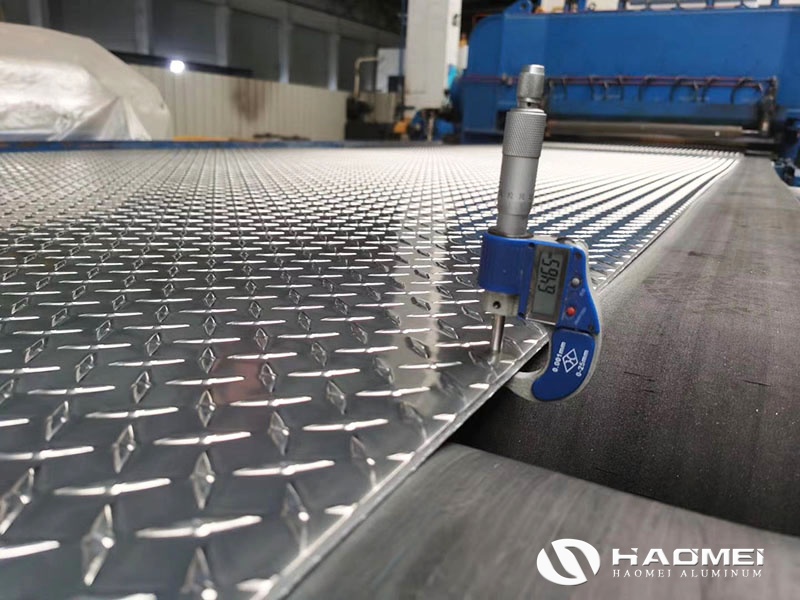
A 4 x 8 sheet of diamond plate is commonly supplied in mill finish, bright finish, polished finish, anodized finish, or coated finish. Mill finish is practical for industrial use and usually offers the best cost-performance ratio. Bright or polished material is preferred for retail displays, decorative interiors, food trucks, elevator panels, and architectural trim.
The tread pattern also matters. A classic diamond pattern provides a familiar appearance and good slip resistance. Five-bar and one-bar designs are popular in many markets because they offer strong traction and a modern industrial look. The choice should match local demand. For example, distributors serving trailer repair shops may prefer traditional diamond pattern, while construction and flooring buyers may request five-bar tread plate.
A 4 x 8 sheet of diamond plate may also require protective film if the surface must remain scratch-free during cutting, bending, transport, and installation. For export orders, film direction, film thickness, and adhesive quality should be confirmed in advance, especially for polished or mirror finish sheets.
Global demand for a 4 x 8 sheet of diamond plate is driven by three practical trends: lighter vehicles, safer walking surfaces, and durable interior protection. Truck bodies, utility trailers, camper modifications, stair systems, warehouse platforms, and service vehicles all benefit from aluminum tread plate because it combines anti-slip function with a clean metallic appearance.
In price-sensitive markets, buyers often request 3003 alloy in mill finish because it is economical and easy to fabricate. In coastal markets and marine repair sectors, 5052 alloy is gaining attention because corrosion resistance reduces long-term maintenance. In OEM equipment and machinery sectors, 6061 alloy can be specified when a 4 x 8 sheet of diamond plate must support higher loads or be machined into precision components.
Another market factor is logistics. A 4 x 8 sheet of diamond plate fits well into palletized export packaging and is easy to distribute after arrival. For importers, the size reduces the need to stock many non-standard formats. For end users, it can be transported by common trucks and cut into smaller panels without complicated handling systems.
The price of a 4 x 8 sheet of diamond plate is influenced by aluminum ingot price, alloy grade, thickness, temper, surface finish, order quantity, packaging level, and freight route. Because aluminum is traded globally, raw material cost can change quickly with LME movement, energy cost, and regional supply conditions.
Thickness has a direct impact on weight, and weight has a direct impact on both material cost and ocean freight. Surface finish also changes the price. Mill finish is usually the most economical, while polished, anodized, embossed color-coated, or mirror finish products require additional processing and quality control.
For distributors, the best purchasing strategy is not always the lowest unit price. A reliable 4 x 8 sheet of diamond plate should have consistent thickness, clean surface, accurate dimensions, stable mechanical properties, and strong export packing. Poor flatness, oil stains, pattern inconsistency, and edge damage can create customer complaints that cost more than the initial saving.
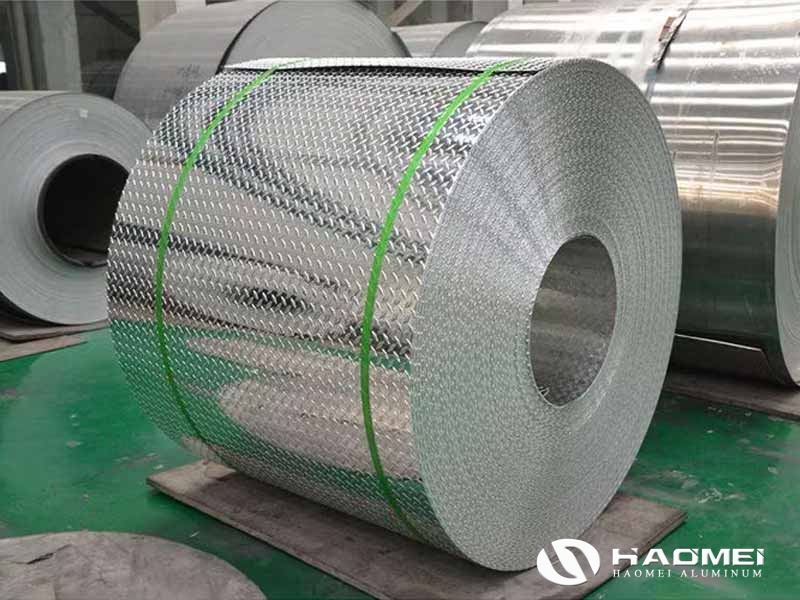
International shipments require stronger packing than domestic deliveries. A 4 x 8 sheet of diamond plate is usually packed on wooden pallets or in wooden cases, with moisture-proof paper, plastic film, edge protectors, steel straps, and clear shipping marks. For long ocean routes, anti-moisture measures are important because condensation may occur during transit.
Quality inspection should include alloy verification, thickness measurement, width and length tolerance, diagonal tolerance, surface inspection, pattern clarity, flatness, and packaging condition. For container loading, the supplier should consider pallet height, forklift operation, weight distribution, and destination unloading capacity.
A professional export order for a 4 x 8 sheet of diamond plate should also clarify documentation requirements. Common documents include commercial invoice, packing list, bill of lading, certificate of origin, mill test certificate, and any market-specific compliance papers requested by the buyer.
Before placing an order, confirm the exact application. A 4 x 8 sheet of diamond plate for decorative wall panels does not need the same thickness or alloy as a sheet for trailer flooring. Define whether the product will be used indoors, outdoors, near saltwater, under moving loads, or in a visible architectural area.
Next, confirm the technical specification in writing: alloy, temper, thickness, size tolerance, pattern type, finish, protective film, packing method, quantity, and acceptable inspection standard. For recurring imports, it is useful to approve a sample or trial shipment before committing to a full container.
A 4 x 8 sheet of diamond plate should be evaluated by lifecycle value, not only by purchase price. If the sheet is easier to fabricate, resists corrosion longer, arrives without damage, and meets local customer expectations, the distributor gains better repeat sales and fewer after-sales issues.
The 4 x 8 sheet of diamond plate remains a practical, high-demand product because it solves real engineering problems: traction, protection, durability, appearance, and weight control. For global buyers, the right specification and supplier process can turn this standard sheet size into a dependable product line across many industries.