4 Ft By 8 Ft Aluminum Diamond Plate
Aug-24-2026
A 4 ft by 8 ft aluminum diamond plate is one of the most practical and widely requested tread plate formats in industrial, transport, construction, and architectural work. Its 48 x 96 inch footprint matches many standard building panels, truck bodies, trailers, and fabrication layouts, helping buyers reduce cutting waste and simplify installation. Also called aluminum checker plate or aluminum tread plate, this material combines a lightweight aluminum base with a raised diamond pattern designed to improve traction and protect the surface from daily wear.
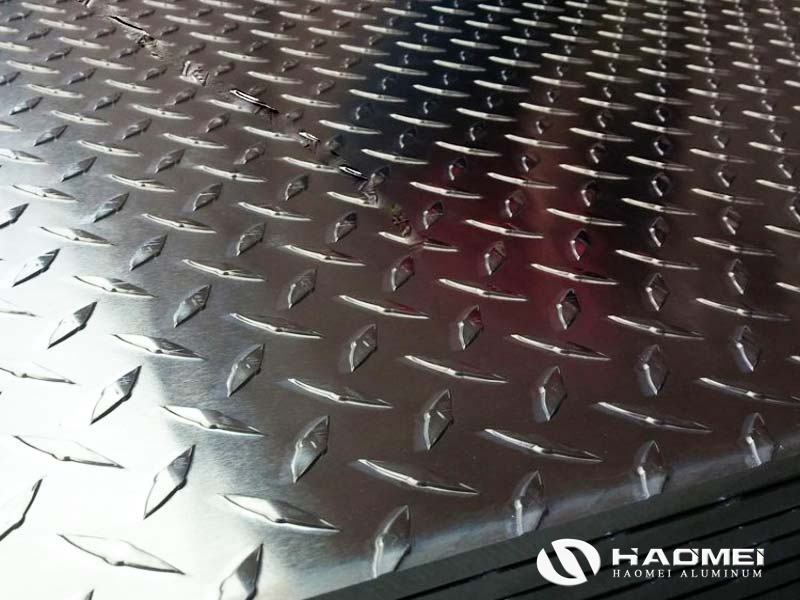
From a production perspective, the quality of a diamond plate is not determined by appearance alone. Alloy chemistry, temper, base-metal thickness, tread definition, flatness, and surface protection all influence how the sheet performs after it is cut, bent, fastened, or exposed to weather. A correctly selected 4 x 8 sheet can provide years of service with much less maintenance than painted steel or plywood flooring.
The nominal sheet size is 4 feet wide by 8 feet long, equal to 48 x 96 inches or approximately 1,219 x 2,438 mm. This size is commonly available in several thicknesses, although tolerances and actual delivered thickness should always be confirmed before ordering.
Typical options include:
0.045 to 0.063 inch: Light-duty wall protection, decorative panels, cabinets, and toolboxes.
0.080 to 0.100 inch: Medium-duty trailer interiors, work surfaces, vehicle trim, and equipment guards.
1/8 inch (0.125 inch): Popular for utility trailers, walkways, loading areas, and durable wall cladding.
3/16 inch (0.188 inch): Suitable for heavier traffic areas, truck decks, and industrial protection.
1/4 inch (0.250 inch): Used where strength, impact resistance, and stable support are required.
The raised diamond pattern adds grip, but it also affects the total height measurement. In technical purchasing, it is important to distinguish between base thickness and overall thickness including the tread. For load-bearing or fabrication work, base thickness is usually the key value because it represents the thickness of the aluminum substrate.
For common stock products, 3003-H22 aluminum is a preferred choice. It offers good corrosion resistance, moderate strength, and reliable formability. It is widely used for flooring, trailers, wall protection, and general fabrication. For marine, chemical, or highly corrosive environments, 5052-H32 aluminum diamond plate is often a better option because of its improved resistance to saltwater and industrial atmospheres. Buyers comparing material options can review our 4x8 aluminum diamond plate range for thickness and alloy selections.
The most visible feature is the raised diamond tread. It creates additional friction under footwear, tires, and equipment wheels, especially when compared with smooth aluminum sheet. It should not be treated as a substitute for specialized anti-slip flooring in every hazardous environment, but it is a dependable traction-enhancing surface for many commercial and industrial applications.
Aluminum also brings a major weight advantage. A 4 ft by 8 ft aluminum diamond plate sheet is significantly lighter than a comparable steel checker plate. This makes handling easier during installation and helps reduce payload concerns for trailers, service trucks, ramps, and mobile equipment. Lower weight can also reduce labor requirements when large panels are fitted on walls or elevated structures.
Corrosion resistance is another strong benefit. Aluminum naturally develops a protective oxide layer, allowing uncoated tread plate to perform well outdoors and in humid conditions. Unlike carbon steel, it does not develop red rust. That said, good design practice still matters: avoid standing water, isolate aluminum from dissimilar metals where necessary, and choose 5052 alloy when salt exposure is expected.
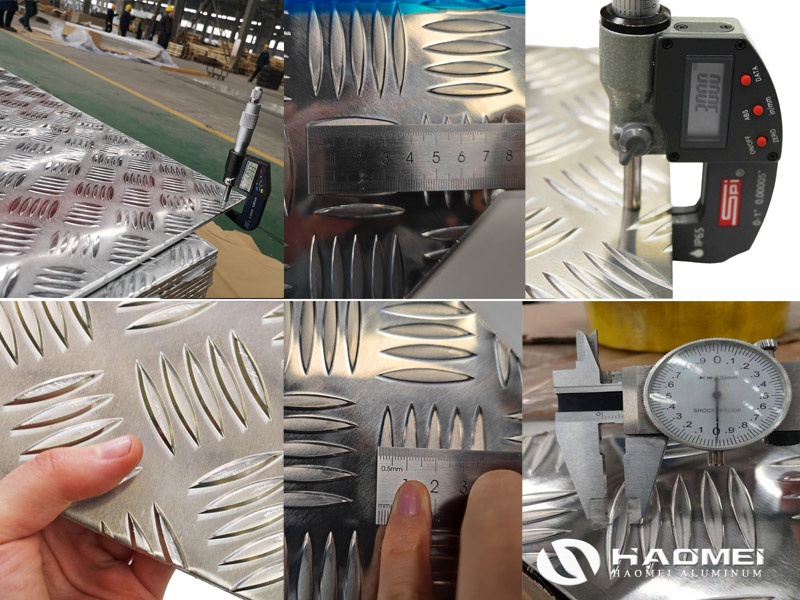
In our experience, customers value 4 x 8 aluminum diamond plate because it is easy to process with standard fabrication equipment. It can be cut by saw, shear, router, laser, or waterjet, depending on thickness and required edge quality. It can also be drilled, riveted, screwed, bonded, and bent with appropriate tooling.
The sheet format supports efficient nesting for many parts. A single 48 x 96 inch panel can cover a trailer box side, truck compartment floor, equipment enclosure, or workshop wall with fewer seams than smaller sheets. Fewer joints can improve appearance and reduce locations where moisture or debris may collect.
A quality product should have consistent tread embossing, controlled thickness, clean edges, and protective interleaving or film where surface appearance is important. For polished finishes, careful packaging is especially important because scratches can become highly visible after installation. Reliable suppliers inspect coil quality before embossing and check finished sheets for dimensional accuracy, surface marks, and pattern consistency.
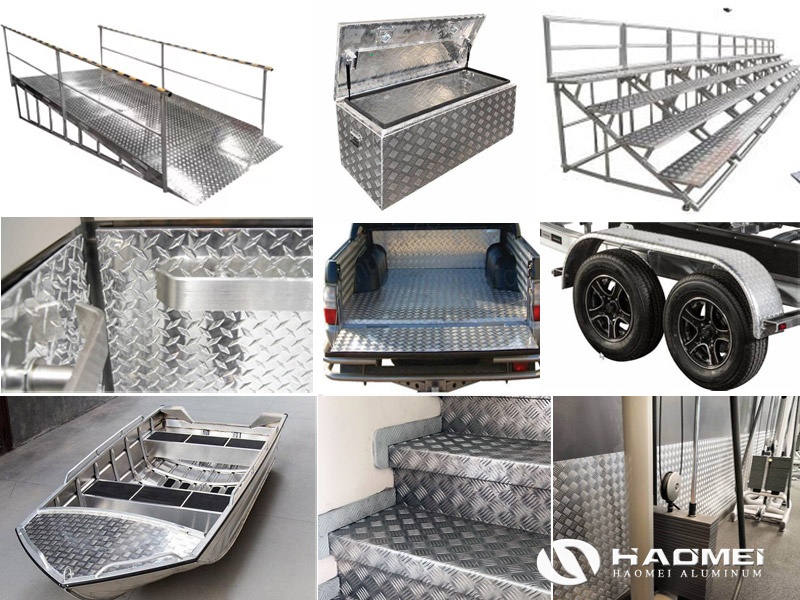
This versatile product is used across a broad range of projects:
Trailer floors, ramps, fenders, and interior wall panels
Pickup truck beds, toolboxes, and service vehicle compartments
Boat decks, docks, gangways, and marine storage areas
Industrial platforms, stair treads, walkways, and machine guards
Warehouse wall protection and kick plates
Food truck interiors, retail displays, and decorative architectural panels
Garage workshops, gym walls, and residential utility spaces
For applications requiring a visually clean, durable finish, aluminum diamond plate can be used as both a functional and decorative surface. Mill finish is the most economical option, while polished or coated products can provide a more customized appearance. Black finishes are frequently selected for trailers, off-road vehicles, and modern commercial interiors.
Before purchasing, identify whether the sheet is decorative, protective, or structural. Thin material is effective for wall cladding but may dent if used on unsupported floors. For trailer decking or platforms, consider span distance, load concentration, support spacing, and expected traffic. A thicker sheet is not always necessary, but underspecifying thickness can lead to flexing and premature deformation.
Confirm the alloy and temper, especially for marine or outdoor equipment. Check whether the stated dimension is exact or nominal, and ask about thickness tolerance, protective film, edge condition, and packing method for export shipments. When installing, allow for aluminum thermal expansion, use compatible fasteners, and avoid direct contact with untreated steel in wet environments.
A well-made 4 ft by 8 ft aluminum diamond plate provides a balanced combination of traction, corrosion resistance, low weight, and visual appeal. With the right alloy, thickness, and finish, it remains a dependable material for projects that need to look professional while standing up to demanding daily use.