24 x 48 Diamond Plate
Jul-23-2026
A 24 x 48 diamond plate is one of the most practical small-format aluminum tread plate sizes in fabrication, repair, architectural decoration, and light industrial use. Compared with larger 4 x 8 sheets, the 24 inch by 48 inch size is easier to handle, easier to store, and more convenient for projects that require accurate cutting with less waste. From a production technician perspective, this size is often selected when customers need both professional anti-slip performance and flexible installation.
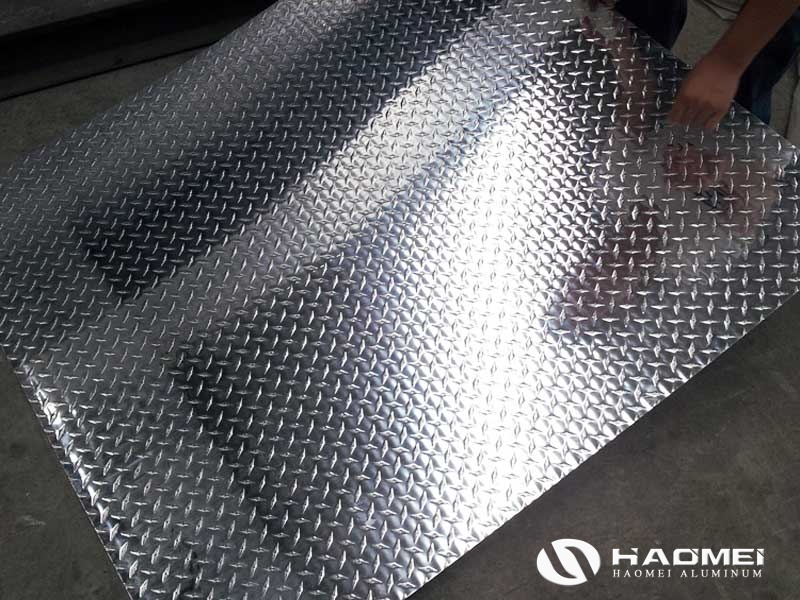
The standard sheet size is 24 inches x 48 inches, equal to 2 ft x 4 ft. In metric terms, it is approximately 610 mm x 1220 mm. This compact size is commonly supplied as aluminum diamond plate, although steel and stainless steel versions also exist. For export and general industrial applications, aluminum is preferred because it offers a strong balance of weight, corrosion resistance, and processing efficiency.
Common aluminum alloys include 3003, 5052, and 6061. Alloy 3003-H22 is widely used for general tread plate because it has good formability, a bright surface, and stable pattern definition after rolling. 5052-H32 provides better corrosion resistance, especially in wet or marine-related environments. 6061-T6 offers higher strength, making it suitable for structural or load-bearing applications where fabrication conditions allow.
Typical thickness options include 0.045 inch, 0.063 inch, 0.080 inch, 0.100 inch, 0.125 inch, and 0.250 inch. For decorative wall panels, trailer trim, and cabinet protection, thin gauges are usually enough. For flooring, ramps, service platforms, and vehicle steps, thicker specifications such as 1/8 inch or 1/4 inch are more suitable. When customers compare a small sheet with a full-size Diamond Plate Sheet, the key decision is not only sheet size, but also alloy, thickness, temper, and surface requirement.
The raised diamond pattern is not only decorative. Its main function is to increase friction and reduce slipping under foot traffic. During production, pattern height, rib sharpness, surface flatness, and rolling consistency must be controlled carefully. If the pattern is too shallow, anti-slip performance is reduced. If the sheet is over-rolled or poorly leveled, the plate may twist during cutting or installation.
In our daily production work, I pay close attention to three details: uniform pattern height, clean mill finish surface, and edge quality after shearing. These details may look simple, but they directly affect customer experience. A well-produced 24 x 48 diamond plate should lie flat, show a clear and continuous diamond pattern, and have no obvious oil stains, roller marks, deep scratches, or edge burrs.
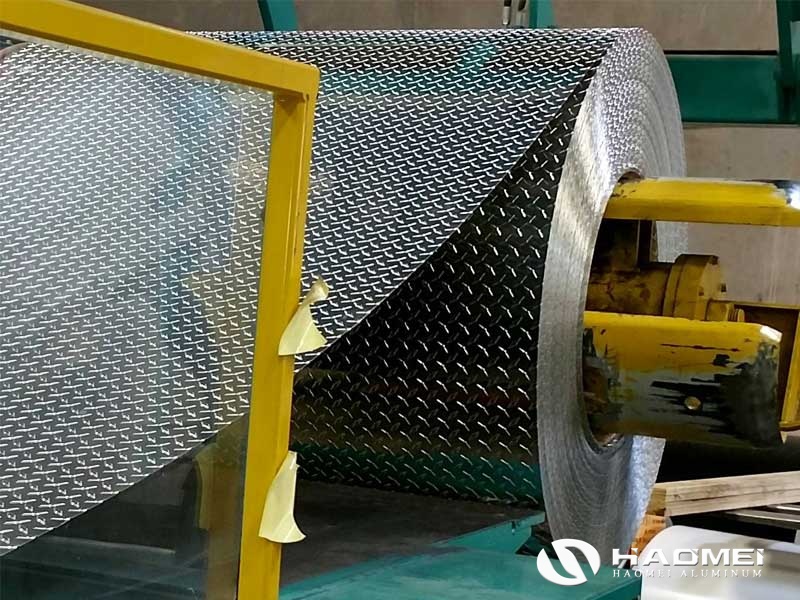
One major advantage of aluminum diamond plate is its lightweight nature. Aluminum weighs about one-third as much as steel, which makes the 24 x 48 format easy for one person to move in many workshop situations. This reduces installation labor and helps improve efficiency for small contractors, vehicle modification shops, and maintenance teams.
Corrosion resistance is another important advantage. Aluminum naturally forms an oxide layer that helps protect the sheet from weather and moisture. For outdoor steps, dock plates, trailer floors, garage walls, or utility boxes, this is a practical benefit. In more aggressive environments, 5052 alloy or additional surface treatments can provide improved durability.
The product is also easy to process. It can be cut, drilled, bent, riveted, screwed, or bonded depending on the application. For clean fabrication, the correct tool setup matters. A fine-tooth carbide blade, proper clamping, and deburring after cutting can significantly improve the final result. For bending, attention should be paid to the tread direction, bend radius, and alloy temper to avoid cracking.
Aesthetic value should not be underestimated. The raised diamond design gives a professional industrial appearance that works well in garages, workshops, retail displays, food trucks, elevators, and commercial interiors. For customers wanting a more decorative finish, options may include polished, bright, anodized, or coated surfaces.
The 24 x 48 diamond plate is especially popular for small and medium projects. In transportation, it is used for trailer panels, truck bed protection, toolbox surfaces, step plates, mud flap backing, and loading area reinforcement. In buildings, it appears on stair treads, kick plates, wall guards, door protection panels, and workshop flooring.
For home and garage users, this sheet size is convenient for workbench tops, storage cabinet panels, floor repair patches, and decorative wall sections. Because the sheet is not oversized, it can often be shipped, handled, and installed more easily than large plates. This makes it attractive for online buyers and distributors who want manageable inventory sizes.
Industrial users often choose 24 x 48 plates for localized anti-slip coverage. Instead of replacing an entire floor area, maintenance teams can install smaller tread plates at high-wear or high-risk points, such as machine access areas, platform entrances, forklift approach points, and wet work zones.
When choosing a 24 x 48 diamond plate, do not select based on price alone. Confirm the base metal thickness, not only the overall height including the raised diamond. Ask for alloy and temper information, especially when the sheet will be bent or used outdoors. For flooring or ramps, evaluate expected load, support spacing, and slip conditions. For visible decorative use, check whether protective film, PVC coating, or special packaging is needed.
If your project requires different dimensions, thicknesses, or export-ready packing, a broader Aluminum Diamond Plate product range can help match the correct sheet to the application. Professional suppliers should be able to provide stable tolerance control, consistent pattern quality, and packaging suitable for sea freight or long-distance transport.
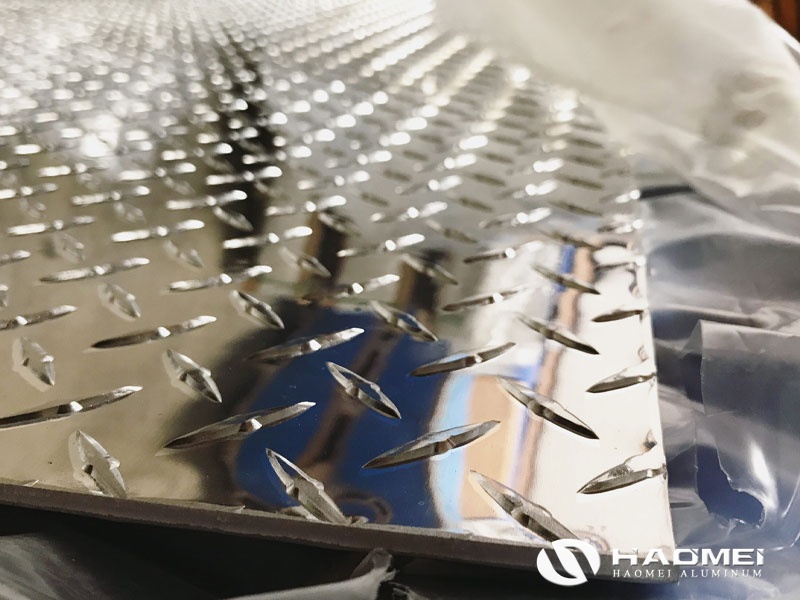
A good 24 x 48 diamond plate may look like a simple sheet, but its performance comes from alloy selection, rolling control, leveling, surface inspection, and careful packing. For buyers, the right plate delivers anti-slip safety, clean appearance, easy fabrication, and long service life. For manufacturers, every sheet is a direct reflection of production discipline and material understanding.