Where to Buy Diamond Plate Aluminum
Nov-18-2026
When customers ask me where to buy diamond plate aluminum, I always encourage them to look beyond the closest listed price. Diamond plate, also called checker plate, tread plate, or embossed aluminum sheet, is a functional material that must match the actual loading, environment, fabrication method, and appearance requirements of the application.
A low-priced sheet may seem attractive, but the wrong alloy, insufficient base thickness, shallow tread pattern, or poor surface protection can create problems during fabrication and shorten service life. From trailer floors and truck toolboxes to walkways, architectural panels, and marine equipment, choosing a dependable source and a correctly specified product matters.
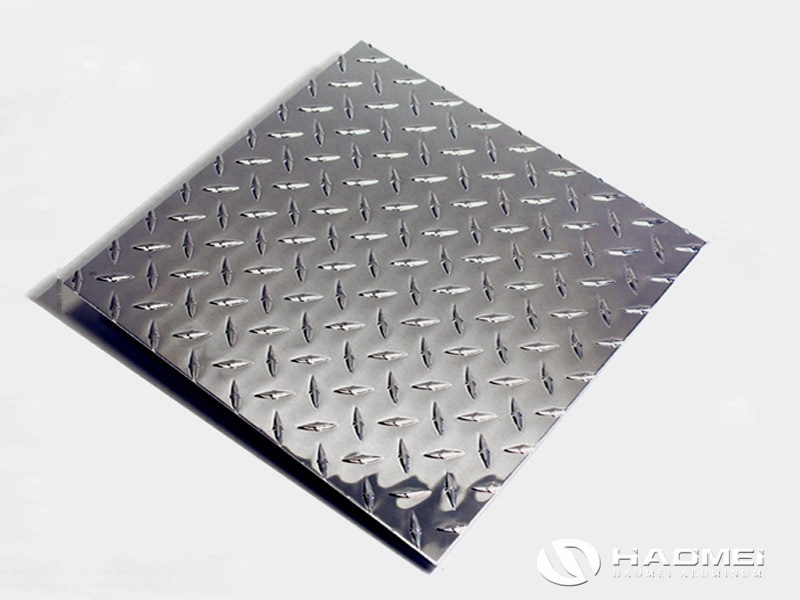
Diamond plate aluminum is available from local metal service centers, hardware retailers, trailer supply stores, fabrication shops, online metals distributors, and direct aluminum manufacturers. Each channel suits a different type of order.
Local metal suppliers are practical for urgent small quantities, cut-to-size orders, and customers who want to inspect the sheet before purchase.
Retail and hardware outlets can work for decorative panels or light-duty repairs, although alloy and thickness choices are often limited.
Online distributors offer convenience, published dimensions, and shipment to job sites, but buyers should verify the actual specification rather than relying only on product photos.
Direct manufacturers or export suppliers are typically the best source for repeat orders, container quantities, special widths, coil stock, custom finishes, and controlled quality documentation.
For buyers requiring a broad selection of patterns and specifications, our aluminum diamond plate range can be supplied as sheets, coils, cut blanks, and project-specific formats. In my experience, direct sourcing is especially valuable when a project needs consistency from batch to batch, not simply a one-time piece of material.
The alloy is the foundation of product performance. Although many people refer to every embossed sheet as diamond plate, the alloy grade determines its strength, corrosion resistance, weldability, and formability.
| Alloy | Key Properties | Typical Uses |
|---|---|---|
| 1050 / 1060 | High purity, excellent corrosion resistance, very good forming ability, lower strength | Decoration, wall protection, light-duty panels |
| 3003 | Good corrosion resistance, better strength than 1xxx series, easy to form | General flooring, truck bodies, utility boxes, architectural trim |
| 3105 | Good strength and coating suitability, reliable atmospheric corrosion resistance | Painted panels, building and transport applications |
| 5052 | Higher strength, excellent marine and industrial corrosion resistance, good weldability | Marine decks, trailers, ramps, equipment platforms |
| 5083 | Very strong marine-grade alloy with superior seawater resistance | Heavy-duty marine and specialized transport applications |
For most commercial diamond plate applications, 3003 and 5052 are the practical choices. I commonly recommend 3003 for standard indoor or outdoor flooring where moderate strength is sufficient and cost control is important. For trailers, coastal environments, wet service, and heavier traffic, 5052 offers a meaningful upgrade in durability and corrosion resistance.
One detail buyers often overlook is that an attractive raised pattern does not replace a suitable base alloy. The diamonds improve traction and visual impact, but the sheet's load capability still depends primarily on alloy, temper, and actual base-metal thickness.
Temper indicates the condition of the aluminum after rolling and processing. It affects hardness, strength, bendability, and resistance to denting.
| Temper | Characteristics | Best Fit |
|---|---|---|
| H14 | Half-hard, balanced formability and strength | Decorative sheets, light fabrication |
| H22 / H24 | Strain-hardened and partially annealed, good workability | General-purpose diamond plate sheet |
| H32 | Stable, moderate strength, good corrosion resistance | 3003 and 5052 tread plate applications |
| H34 | Harder and stronger than H32, with lower formability | Floors, panels, and higher-wear applications |
| O | Fully annealed, softest condition and easiest to form | Deep forming and specialty fabrication |
For 5052 diamond plate, H32 is a widely accepted option because it provides a reliable balance between strength and workability. If the sheet must be sharply bent, rolled, or formed into complex shapes, discuss bend radius and direction with the supplier before ordering. I have seen otherwise good installations fail because fabricators assumed all tread plate behaves the same during bending.
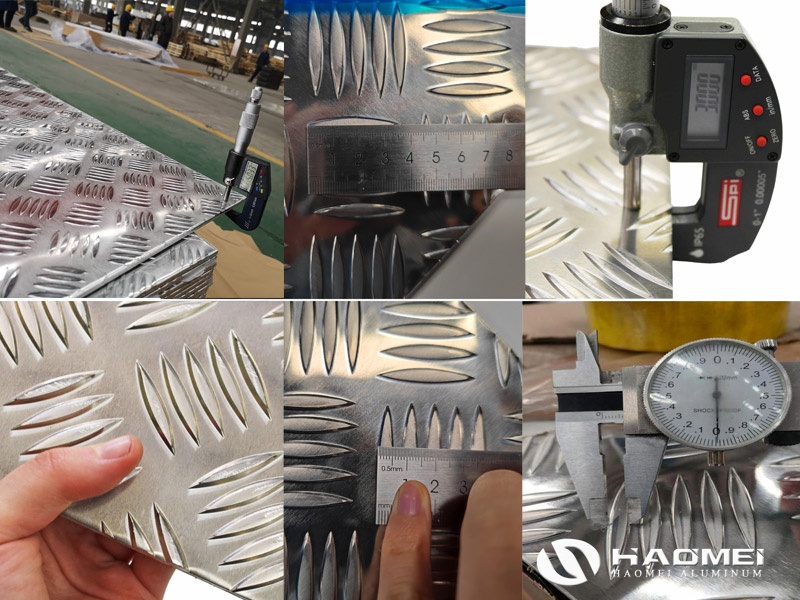
Aluminum diamond plate has remained popular across many industries because it delivers several useful advantages in one material:
Slip resistance: The raised diamond pattern improves underfoot traction compared with flat sheet, particularly for steps, ramps, and service platforms.
Corrosion resistance: Aluminum naturally forms a protective oxide layer. 5052 and 5083 provide especially strong performance in wet, salty, and industrial conditions.
Light weight: Aluminum weighs roughly one-third as much as steel, helping reduce vehicle weight and improve handling during installation.
Durability: Properly selected thickness and alloy resist impact, abrasion, and repeated service exposure.
Appearance: Bright mill finish, polished finish, anodized treatment, and painted surfaces allow diamond plate to serve both functional and decorative roles.
Easy fabrication: Aluminum can be cut, drilled, welded, riveted, and formed using appropriate tools and procedures.
Common stock sizes include 4 x 8 ft, 4 x 10 ft, and 5 x 10 ft sheets, while coils are often used for continuous manufacturing operations. Common thicknesses range from thin decorative gauges through 1/8 in and 1/4 in heavy-duty plate. Buyers should always distinguish between the base thickness and the overall height including raised diamonds.
For example, a nominal 1/8 in diamond plate may have a thinner flat base than its total measured thickness suggests. This distinction becomes important for structural support, fabrication tolerances, and price comparisons. When sourcing standard panels, review our 4x8 aluminum diamond plate options for commonly requested dimensions and application-based thickness selection.
Surface finishes may include:
Mill finish for economical industrial use
Bright polished finish for toolboxes, vehicle trim, and decorative panels
Black or colored coated finish for architectural and vehicle styling
Anodized finish for improved appearance retention and surface protection
Protective film for polished sheets that will be fabricated or installed later
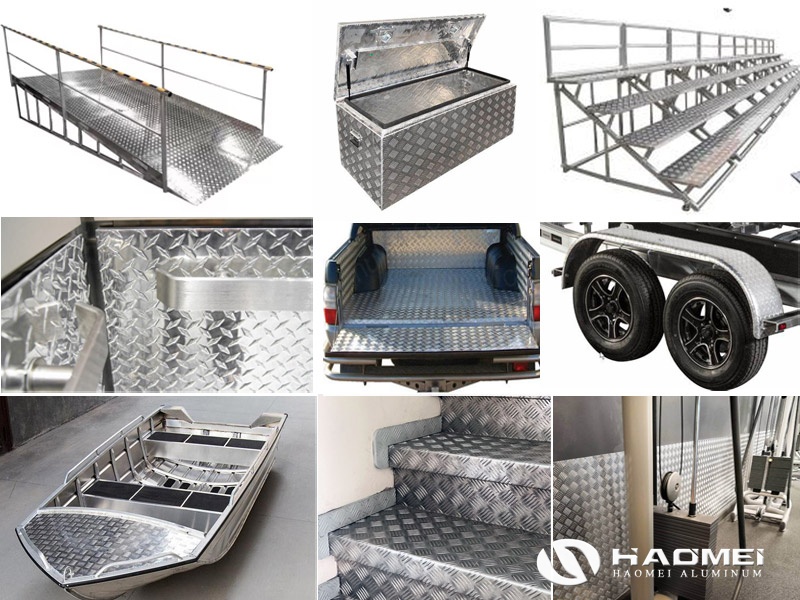
Diamond plate aluminum is widely used in transportation, construction, marine, manufacturing, and commercial interiors. Common applications include trailer decking, truck bed protection, pickup toolboxes, loading ramps, stair treads, machine guards, wall liners, dock platforms, boat flooring, fire truck compartments, retail displays, and garage interiors.
For decorative uses, the visual quality of the embossing deserves close attention. The pattern should be uniform, sharply defined, and free from roller marks, oil stains, scratches, or flattening around the sheet edges. For flooring and transport use, focus first on base thickness, mechanical properties, and anti-slip pattern depth.
A professional supplier should be able to confirm the alloy, temper, thickness tolerance, sheet dimensions, pattern type, finish, weight, and applicable test documentation. For larger orders, I recommend requesting samples or clear close-up photographs of the actual pattern and finish. This is particularly important for polished, black-coated, or branded architectural applications.
Ask these questions before buying:
What alloy and temper are being supplied?
Is the quoted thickness base thickness or total thickness over the raised pattern?
What are the flatness, width, length, and thickness tolerances?
Is the product mill finish, polished, coated, or anodized?
Can the supplier provide material certificates and packing details?
What protection is used to prevent scratches, moisture damage, and edge deformation during shipping?
Can the supplier cut to size or provide coil for production use?
The best place to buy diamond plate aluminum is a supplier that understands your end use and can provide traceable specifications rather than a generic sheet description. Whether your priority is corrosion resistance, a premium polished appearance, low vehicle weight, or long-term flooring durability, matching the material to the application will provide better value than choosing solely by price.