Stucco Embossed Aluminum Coil For Sale
Mar-18-2026
When buyers ask me for stucco embossed aluminum coil for sale, they are rarely just shopping for "an embossed surface." They are trying to solve a practical problem: dent resistance during handling, better surface hiding after installation, improved adhesion for insulation jacketing, or a premium appearance on HVAC and appliance panels.
In day-to-day aluminum trade, I also see a pattern: many disputes come from unclear expectations on alloy/temper selection, coating compatibility, emboss depth consistency, and packaging protection. This article is my product-facing, experience-based introduction to what we supply and how to select the right specification with confidence.
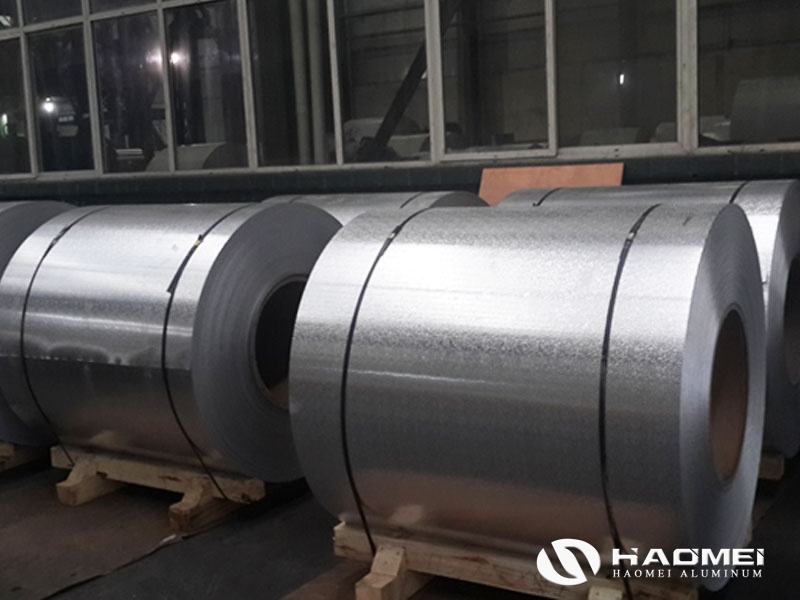
Stucco embossed aluminum coil is produced by passing aluminum through patterned embossing rolls that create a textured "stucco" surface. The texture is not only aesthetic; it improves scratch concealment and adds surface stiffness. For many customers, it is the most economical way to upgrade the perceived value of a panel without adding thickness.
In our production, the critical control points are:
Emboss pattern consistency (visual uniformity across coil length)
Gauge control (thickness tolerance after embossing)
Flatness and residual stress (important for lamination and forming)
Surface cleanliness (especially for coated or bonded applications)
If your project needs sheet rather than coil, we also slit and cut-to-length; many customers cross-check coil-to-sheet equivalence with our Stucco Embossed Aluminum Sheet offering.
From the HVAC and insulation-jacketing markets to appliance back panels, most demand centers around 1xxx and 3xxx series aluminum. Here is how I guide buyers based on fabrication needs and corrosion environment.
| Alloy | Typical Temper | Why It's Chosen | Common Uses |
|---|---|---|---|
| 1050 / 1060 / 1100 | O, H14, H24 | Excellent formability, stable emboss quality, cost-effective | Appliance panels, general cladding, decorative panels |
| 3003 | H14, H24 | Better strength than 1xxx, good corrosion resistance, strong market acceptance | HVAC insulation jacketing, truck body trim, building products |
| 3105 | H14, H24 | Stronger than 3003 in many supply chains, good coating response | Painted cladding, roofing accessories |
| 5052 (select cases) | H32 | Higher strength and marine-friendly corrosion behavior | Coastal environments, heavy-duty protection panels |
Temper notes from my experience:
O temper is the safest choice when deep forming is required, but it dents more easily during handling.
H14/H24 is the workhorse for jacketing and cladding: it balances stiffness, dent resistance, and formability.
If your fabricator is doing tight-radius bending, I typically recommend testing H24 vs H14 rather than guessing; the small difference in work-hardening can decide whether edge cracking appears.
Stucco embossing increases apparent rigidity and helps the surface hide minor impact marks. This is why many insulation contractors prefer stucco over smooth mill finish even when thickness is the same.
Aluminum's natural oxide layer provides excellent corrosion performance. In practice:
1xxx and 3xxx alloys perform well in typical industrial and outdoor conditions.
For coastal or chemically aggressive environments, 5052 can be a better long-term decision, especially when salt spray exposure is consistent.
For insulation jacketing and HVAC, aluminum's high thermal conductivity is valued for temperature equalization and surface stability, while the emboss texture supports better mechanical grip and appearance.
Stucco texture reduces glare and masks substrate imperfections. If you are matching existing installations, confirm:
Pattern style (classic stucco vs orange peel-like)
Gloss expectations (mill finish vs coated)
Directionality (some emboss patterns appear different when rotated)
Painted or film-laminated stucco coil is common in building products. For cladding projects, our Stucco Embossed Aluminium Cladding specification is often the cleanest match because it standardizes coating system expectations.
From a commercial standpoint, stucco embossing is one of the best cost-to-appearance upgrades in aluminum. It hides transport marks that would be obvious on smooth sheet.
The raised texture reduces the visual impact of friction scratches. This is particularly useful when panels are carried across scaffolding or installed in tight mechanical rooms.
In many applications, embossing helps customers avoid moving to a thicker gauge, which saves weight and cost while maintaining perceived robustness.
For globally traded grades like 1100/3003 H14/H24, the market has mature standards and predictable performance. That reduces qualification time for OEMs.
Buyers often ask for a "standard coil," but standards vary by region and application. I recommend confirming these variables early:
Thickness: commonly 0.20–1.20 mm (application-driven)
Width: commonly 800–1250 mm; slit widths available
Coil ID: typically 150/300/505 mm depending on your line
Finish: mill finish, coated (PE/PVDF), or film-laminated
Emboss depth and pattern: agreed by sample or reference image
If your project is price-sensitive, keep in mind that thickness tolerance, coating system, and packaging level usually impact total cost more than the embossing step itself.
This is one of the most stable demand segments. Contractors value the texture for handling and the way it keeps a clean look after installation on pipes, tanks, and ducts.
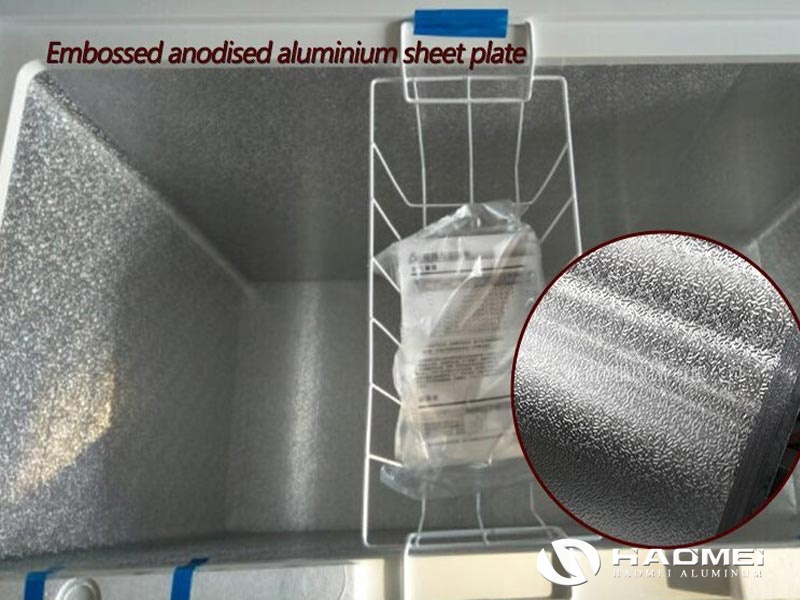
Refrigerator liners, back panels, and protective covers benefit from the scratch-hiding surface and easy maintenance.
Used for soffits, trims, flashing, and protective cladding where a textured metallic finish is desired.
Truck body protection, toolboxes, and industrial covers often use embossed aluminum to reduce visible wear.
From years of seeing both smooth transactions and painful claims, these are the checks that prevent problems:
Confirm alloy/temper by application, not by habit. If you need bending, say so.
Approve emboss pattern by physical sample when appearance matters.
Define the "A-side" clearly (which side faces out), especially for coated or film products.
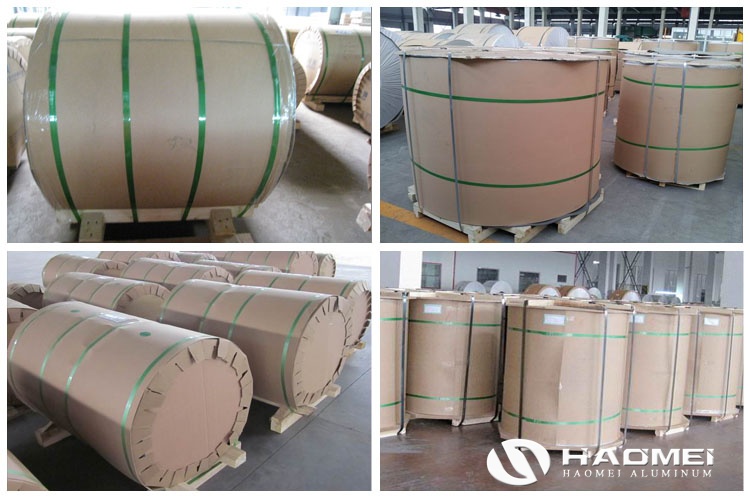
Packaging level must match your logistics: long-haul sea freight needs edge protection, wrap integrity, and anti-moisture measures.
Ask for inspection items: thickness, width, emboss consistency, coating thickness (if coated), and surface defect tolerance.
When you contact us, the fastest accurate quotation comes from five details:
Alloy and temper (e.g., 3003 H24)
Thickness, width, and coil weight preference
Surface: mill finish, coated color/system, or film
Emboss pattern requirement (sample or reference)
Destination and incoterm (packaging and freight strongly affect landed cost)
If you tell me your end use (jacketing, cladding, appliance, or general fabrication), I can recommend a cost-optimized alloy/temper combination that performs reliably in real installations, not just on paper.