Embossed Aluminum Coil Exporter
Apr-23-2026
In the global aluminum processing market, the role of an embossed aluminum coil exporter has become more technical than many buyers once assumed. What appears to be a simple textured surface is, in practice, a product category where rolling precision, alloy control, coating compatibility, and packaging discipline directly affect downstream performance. For manufacturers of refrigerators, building insulation systems, decorative panels, and transportation components, embossed aluminum coil is not only a visual material but also a functional one.
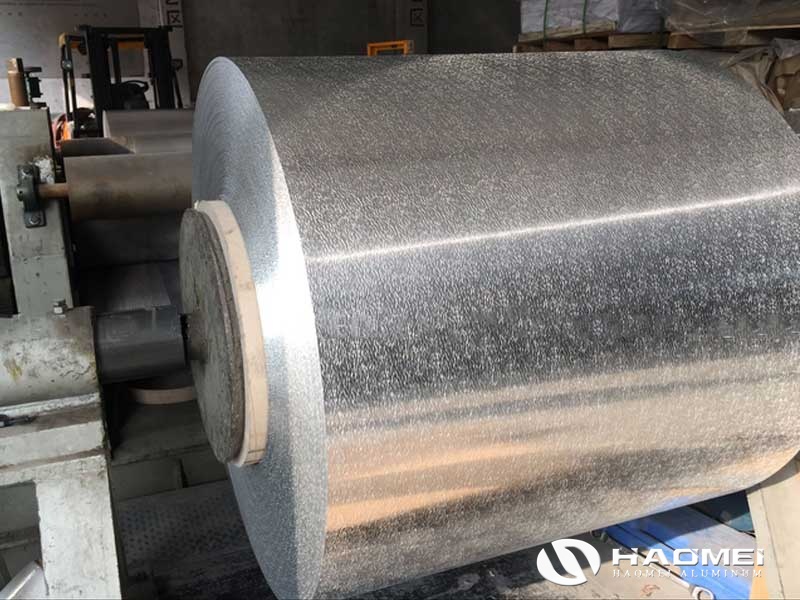
A capable exporter is often judged less by broad claims and more by consistency across batches. In embossed coil production, pattern depth uniformity matters because it influences appearance, rigidity, and forming behavior. Stable embossing lines, controlled rolling pressure, and accurate tension management help ensure the surface pattern remains clear without causing excessive thinning. For buyers sourcing 1060, 3003, or 3105 alloy embossed products, these process details can reduce scrap rates during slitting, bending, and panel fabrication.
One widely recognized industry detail is that 3003 aluminum alloy is frequently selected for insulation jacketing and cladding environments because of its good balance of corrosion resistance, formability, and economic value. In refrigeration and appliance applications, lighter-gauge embossed material is often chosen to improve stiffness while maintaining low weight. The textured finish also helps reduce the visibility of minor handling marks, which is one reason embossed aluminum remains common in visible and semi-visible industrial surfaces.
For export-oriented production, technical strength is also reflected in gauge accuracy and width control. International buyers, especially those supplying automated processing lines, tend to pay close attention to tolerance stability. A coil that varies too much in thickness can create issues in stamping, laminating, or roll-forming. Strong producers therefore invest in inspection routines covering thickness, width, surface cleanliness, coil edge condition, and embossing definition. These are practical indicators of manufacturing maturity, especially when shipments must perform consistently across different climates and end-use standards.
Another real market detail worth noting is the growing use of stucco embossed aluminum jacketing in HVAC and pipe insulation systems. In many overseas projects, stucco patterns are preferred because they improve the visual finish and add surface durability during installation. Materials are commonly supplied with moisture barrier options such as polykraft in insulation-related applications, where the end user is concerned with long service life and site handling reliability. Exporters familiar with this segment are better positioned to match alloy, temper, and packing method to actual project conditions rather than offering a generic coil.
For customers evaluating product choices, Stucco Embossed Aluminum Coil is often selected when both appearance and practical durability are required. Its application range extends from cold-room panels and refrigerator liners to architectural trims, trailer interiors, and protective covering systems. In decorative use, the embossed surface creates a refined industrial texture. In functional use, it helps improve rigidity and reduce the visual impact of scratches compared with smooth sheet.
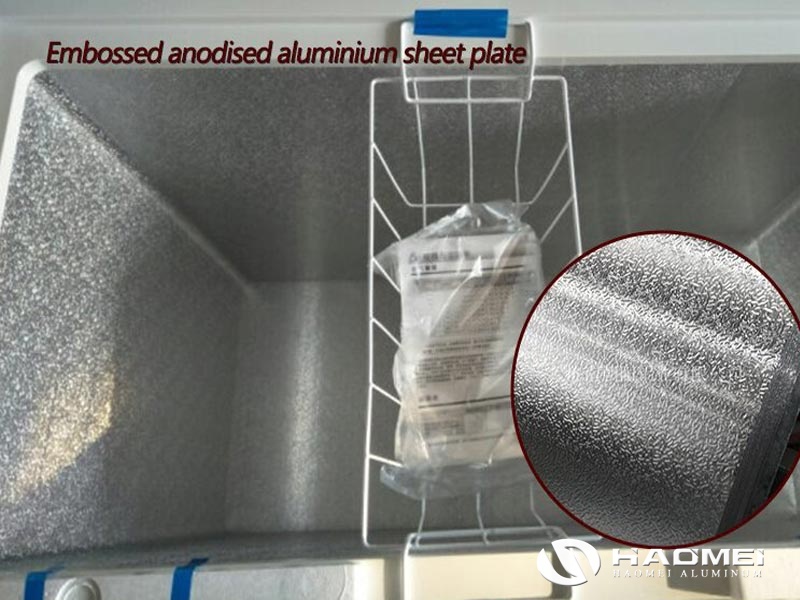
Export capability is not only about producing material, but about delivering it safely and predictably. Coil protection, moisture-resistant packaging, and container loading methods all influence final quality on arrival. Embossed aluminum surfaces can be damaged by poor interleaving or loose packing during long-distance transport. Experienced exporters usually pay close attention to eye-to-sky or eye-to-wall loading preferences, seaworthy wrapping, and traceable labeling so that distributors and processors can manage inventory efficiently after customs clearance.
Application scenarios continue to expand as buyers seek lightweight, corrosion-resistant, and visually clean materials. In appliance manufacturing, embossed aluminum is used for refrigerator panels and inner decorative parts. In construction, it is used for cladding, ceiling systems, and insulated pipe coverings. In transport and equipment housings, it offers a balance between easy fabrication and a more durable surface presentation. For some customers, anodizing or color coating compatibility is an added advantage, allowing embossed coil to serve both protective and design functions.
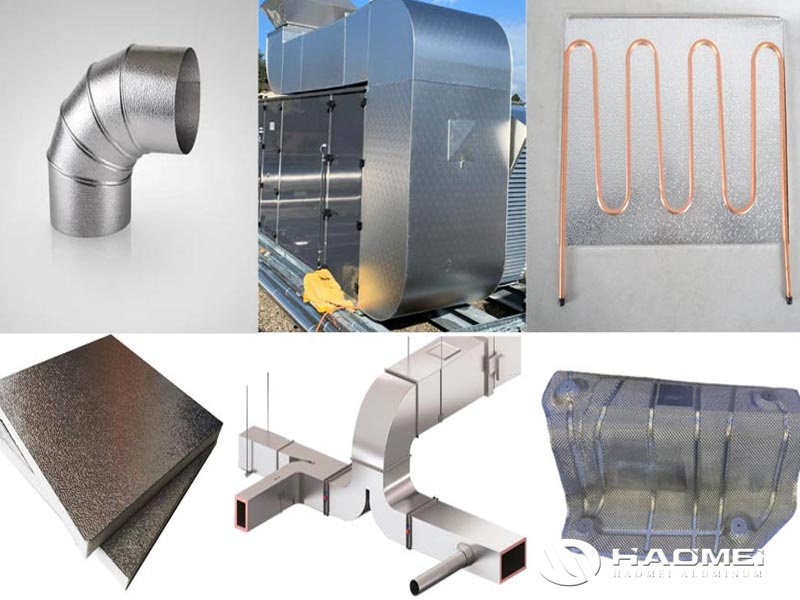
As competition in metal supply chains becomes more quality-driven, the strongest embossed aluminum coil exporters are those that combine process control, alloy knowledge, responsive specification matching, and reliable delivery execution. Buyers are increasingly looking beyond price alone, focusing instead on whether a supplier can maintain pattern consistency, protect surface finish in transit, and support multiple end-use sectors with dependable material performance. That is where manufacturing discipline becomes visible in every coil shipped.