Orange Peel Stucco Embossed With Epoxy Varnish One Side
May-29-2026
Orange peel stucco embossed with epoxy varnish one side is a practical aluminum material widely used in refrigeration, cladding, insulation jacketing, and decorative industrial panels. From a production and export perspective, this product combines two very valuable surface technologies: the orange peel embossed pattern and a one-side epoxy varnish coating. The result is an aluminum sheet or coil with improved appearance, better surface protection, and stable performance during forming, transport, and end use.
In day-to-day manufacturing, customers often focus first on alloy and thickness, but surface treatment is just as important. A well-controlled orange peel embossing depth and a uniform epoxy varnish layer can make a visible difference in corrosion resistance, anti-scratch behavior, and service life. This is especially true for projects exposed to humidity, light chemical contact, or repeated cleaning.
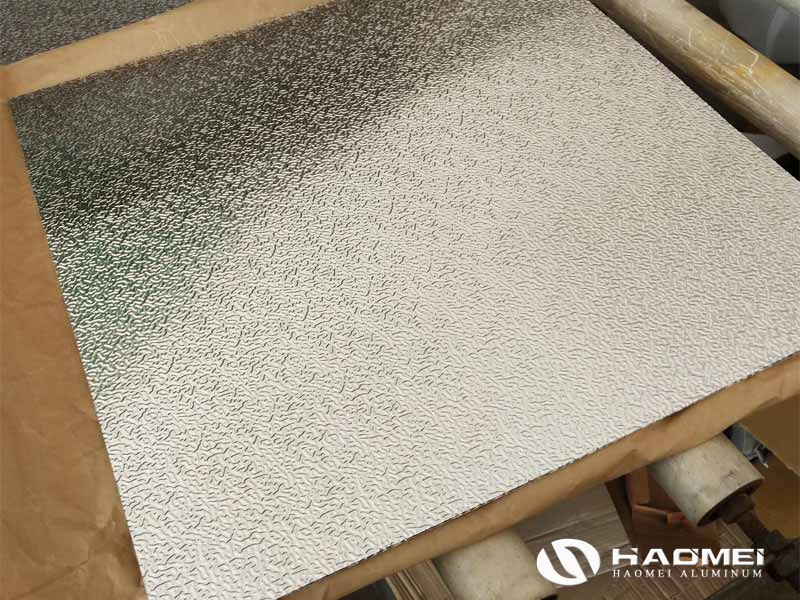
This material is produced by passing flat aluminum sheet or coil through embossing rollers to create a textured orange peel pattern. After that, epoxy varnish is applied to one surface, depending on the intended application. The embossed texture increases rigidity and reduces the visibility of minor scratches or handling marks, while the epoxy varnish adds a protective barrier and improves the surface finish.
In many export orders, this product is supplied as sheet or coil form. Buyers looking for reliable textured material often compare standard Stucco Embossed Aluminum with epoxy-varnished versions when higher cleanliness, better coating protection, or enhanced durability is required.
Typical specifications can be adjusted according to the final application, but common production ranges include:
Alloys: 1050, 1060, 1100, 3003, 3105
Temper: H14, H16, H24, or as required
Thickness: 0.2 mm to 1.5 mm
Width: 30 mm to 1500 mm
Embossing pattern: Orange peel stucco
Coating: Epoxy varnish on one side
Coating thickness: Usually customized based on corrosion protection and application environment
Surface finish: One side varnished, reverse side mill finish or treatment as agreed
Supply form: Coil, strip, or cut-to-size sheet
Among these options, 1050 and 1060 are often selected for general insulation and decorative use because of their excellent formability, while 3003 is a preferred choice where better strength and corrosion resistance are needed.
The orange peel pattern gives the sheet a distinctive three-dimensional appearance. More importantly, it helps disperse reflected light, reduces glare, and hides minor dents or scratches better than a plain surface.
Epoxy varnish acts as a protective film against moisture, stains, and certain environmental contaminants. In actual factory experience, stable varnish adhesion is essential. If pretreatment and curing are properly controlled, the coated side performs much better during storage and downstream fabrication.
Embossing increases the mechanical rigidity of thin aluminum sheet. This means a relatively light gauge can still maintain good flatness and handling performance in many applications.
Aluminum already has natural corrosion resistance, but the epoxy varnish further protects the exposed side. This is useful in humid or semi-corrosive environments such as refrigeration equipment outer panels and insulation covering.
For applications where both function and visual consistency matter, the coated embossed surface offers a balanced finish. It looks more refined than plain mill finish material and remains easier to maintain.
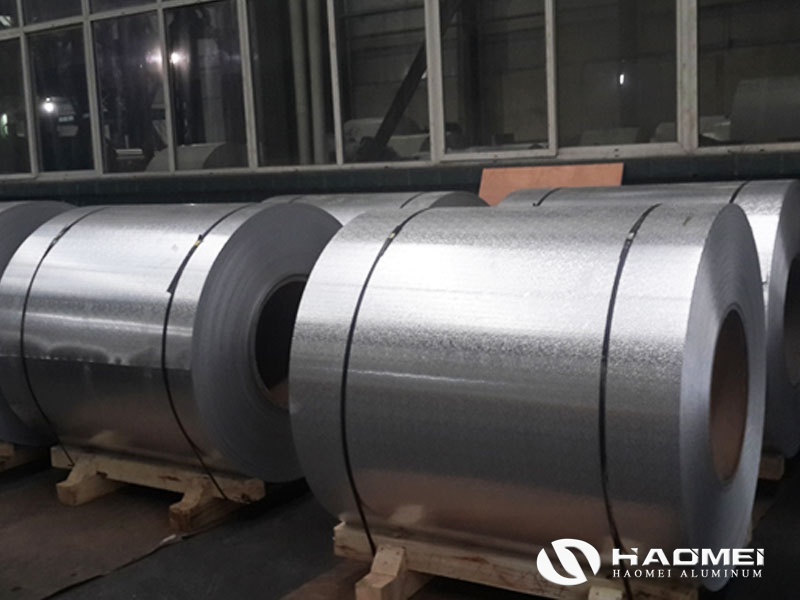
From industry experience, one of the biggest advantages of this product is processing stability. A properly made orange peel stucco embossed sheet with epoxy varnish should show consistent embossing depth, uniform gloss, and reliable coating adhesion from batch to batch. That consistency matters greatly for OEM customers.
Another advantage is reduced transport risk. The embossed surface is less likely to show obvious abrasion marks compared with flat polished material. With suitable export packaging, the material arrives in better condition, which helps reduce claims and improves customer satisfaction.
This product also supports cost-performance optimization. Instead of moving to thicker or more complex coated materials, many users can achieve the required protective and decorative effect by choosing a well-matched embossed aluminum with one-side varnish.
For customers who need textured stock in continuous processing, Stucco Embossed Aluminum Coil is often the most efficient purchasing format because it improves feeding efficiency and reduces cutting waste.
Orange peel stucco embossed with epoxy varnish one side is suitable for a wide range of industrial and commercial uses, including:
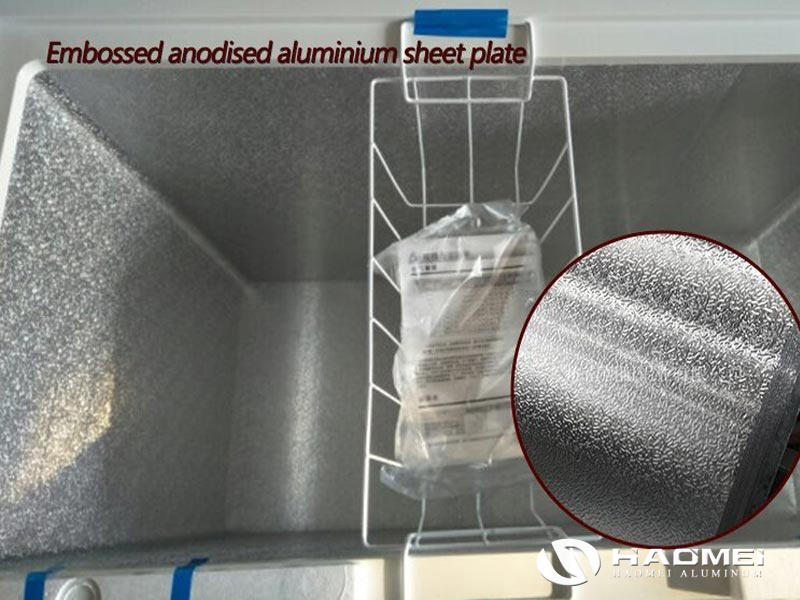
Refrigerator and freezer panels
Interior and exterior cladding elements
Pipe insulation jacketing
Decorative wall and ceiling panels
Cold room equipment
Appliance housings
Trailer and container interior finishes
Industrial covering panels
In refrigeration equipment, for example, the textured surface is attractive and durable, while the varnished side provides added resistance to cleaning agents and moisture exposure.
When sourcing this material, it is wise to confirm several technical points before mass production:
Alloy and temper suitability for forming or bending
Actual thickness tolerance
Embossing uniformity across the coil width
Epoxy varnish adhesion and curing quality
Color, gloss, and surface cleanliness requirements
Packing method for export shipment
From my perspective, good products are not defined only by basic specifications on paper. The real difference comes from process control: substrate cleanliness, roller precision, coating uniformity, curing temperature, and protective packaging. These details are often what separate stable long-term suppliers from ordinary traders.
For buyers who value dependable performance, orange peel stucco embossed with epoxy varnish one side offers a strong combination of durability, workability, and appearance. It is a mature product, but when manufactured with strict standards, it still delivers clear advantages in both industrial use and commercial value.