Embossed Mirror Aluminum Sheet
Jun-11-2026
Embossed mirror aluminum sheet is a specialty material that combines two highly valued surface characteristics in one product: a bright reflective finish and a three-dimensional embossed pattern. In practical use, this combination offers more than visual appeal. It improves surface rigidity, helps hide minor scratches, enhances decorative value, and supports a wide range of industrial and architectural applications.
From my experience in the aluminum market, buyers often focus first on appearance, but the real purchasing decision should begin with alloy, temper, thickness tolerance, and surface consistency. A good embossed mirror aluminum sheet is not simply "shiny aluminum with texture." It is a controlled product whose performance depends on the right base material, rolling quality, polishing process, embossing depth, and protective packaging.
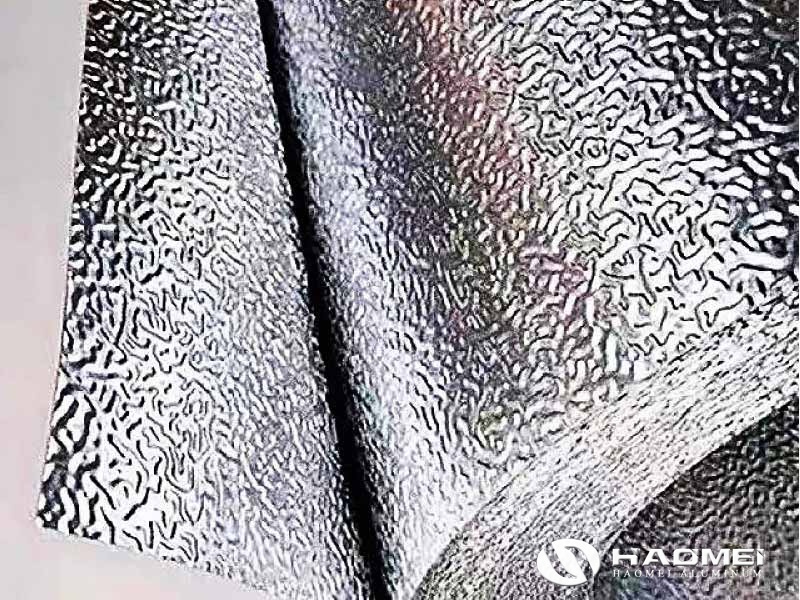
Embossed mirror aluminum sheet is made by taking aluminum sheet or coil, processing it to achieve a reflective mirror-like surface, and then embossing it with a pattern such as stucco, orange peel, diamond, or custom decorative textures. The result is a sheet that reflects light attractively while offering a textured finish that reduces the visibility of fingerprints, dents, and handling marks compared with flat mirror sheet.
For customers comparing textured reflective products, Mirror Polished Embossed Aluminum is often chosen where both decorative impact and practical durability are required.
The most suitable alloy depends on the end use, required formability, corrosion resistance, and budget. In commercial production, the 1xxx, 3xxx, and 5xxx series are the most common.
| Alloy | Typical Features | Recommended Uses |
|---|---|---|
| 1050 | High aluminum purity, excellent reflectivity, good formability | Decorative panels, lighting, interior trim |
| 1060 | Very good corrosion resistance, soft, easy to process | Appliances, ceiling panels, signage |
| 1070 | High purity and strong reflective performance | Reflectors, premium decorative applications |
| 1100 | Good workability and surface quality | General decorative sheet, indoor use |
| 3003 | Better strength than 1xxx, good corrosion resistance | Refrigeration panels, cladding, industrial decoration |
| 3004 | Higher strength, suitable for more demanding forming | Appliance shells, transportation interiors |
| 5052 | Strong corrosion resistance, moderate strength | Humid environments, marine-adjacent decorative use |
In my view, 1050 and 1060 are often the most cost-efficient choices when brightness and forming ease are the priorities. If the application also requires better mechanical strength or higher dent resistance, 3003 becomes a more balanced option. For environments with higher moisture exposure, 5052 deserves attention despite its higher price level.
Temper selection affects flatness, forming behavior, and embossing stability. The most common tempers for embossed mirror aluminum sheet include O, H14, H16, H18, and sometimes H24.
| Temper | Characteristics | Best For |
|---|---|---|
| O | Soft, excellent ductility | Deep forming, complex shaping |
| H14 | Half-hard, balanced strength and workability | General decorative panels |
| H16 | Harder than H14, improved rigidity | Wall panels, appliance covers |
| H18 | Hard, high surface stability | Flat applications with limited forming |
| H24 | Strain-hardened and partially annealed | Applications requiring moderate forming |
From a production and sales standpoint, H14 is often the safest general-purpose recommendation. It offers enough strength for handling and installation without sacrificing too much processability. If a customer plans to bend, roll, or stamp the sheet after embossing, I usually advise avoiding overly hard tempers unless the forming radius is generous.
The mirror finish creates a bright, premium appearance. Even after embossing, the sheet maintains strong decorative value and can visually expand interior spaces by reflecting light.
Embossing adds stiffness to the sheet. This is one of the most practical benefits, especially in thinner gauges where plain sheet may feel too soft.
When the correct alloy is selected, embossed mirror aluminum sheet performs well in indoor and many semi-outdoor environments. 1xxx and 3xxx series products are particularly dependable in common commercial uses.
Compared with steel or stainless decorative sheet, aluminum offers lower weight and easier handling. This helps reduce installation labor and transportation cost.
A flat mirror sheet shows every small mark. An embossed mirror surface is more forgiving, which is a major advantage in appliance, elevator, and decorative trim applications.
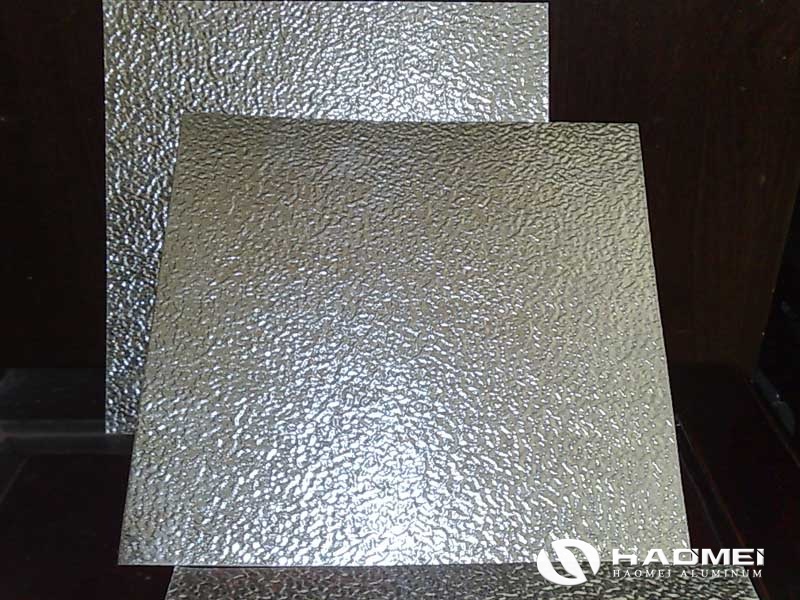
Over the years, I have noticed that embossed mirror aluminum sheet tends to attract two types of buyers: those who want visual impact and those who want a practical decorative metal that is easier to maintain than flat polished sheet. Both are right.
Here are the strongest market advantages:
Better visual texture than plain mirror aluminum
Lower apparent maintenance cost because minor defects are less visible
Competitive processing cost compared with stainless mirror decorative materials
Broad alloy and pattern availability
Strong suitability for custom projects
Excellent weight-to-performance ratio
In price-sensitive markets, customers often compare this material with stainless steel, laminated panels, or coated steel sheet. Aluminum usually wins when the project values light weight, corrosion resistance, and fabrication flexibility. Still, quality differences between suppliers can be significant, especially in reflectivity uniformity, embossing consistency, edge quality, and protective film performance.
Embossed mirror aluminum sheet is not limited to one surface design. Depending on application, buyers may choose stucco, orange peel, pebble, or diamond patterns. For projects requiring classic textured performance, Stucco Embossed Aluminum Sheet remains one of the most widely accepted options in the market.
Surface options may include:
High mirror embossing
Semi-mirror embossed finish
Anodized embossed mirror surface
Color-coated embossed mirror sheet
Protective film laminated surface
Anodized versions are especially useful where improved surface hardness and color stability are important.
Because it combines decoration and utility, embossed mirror aluminum sheet serves a broad range of industries.
It is widely used for interior wall panels, ceilings, column covers, elevator decoration, shopfitting, and display systems. Designers appreciate its reflective effect, while contractors appreciate its manageable weight.
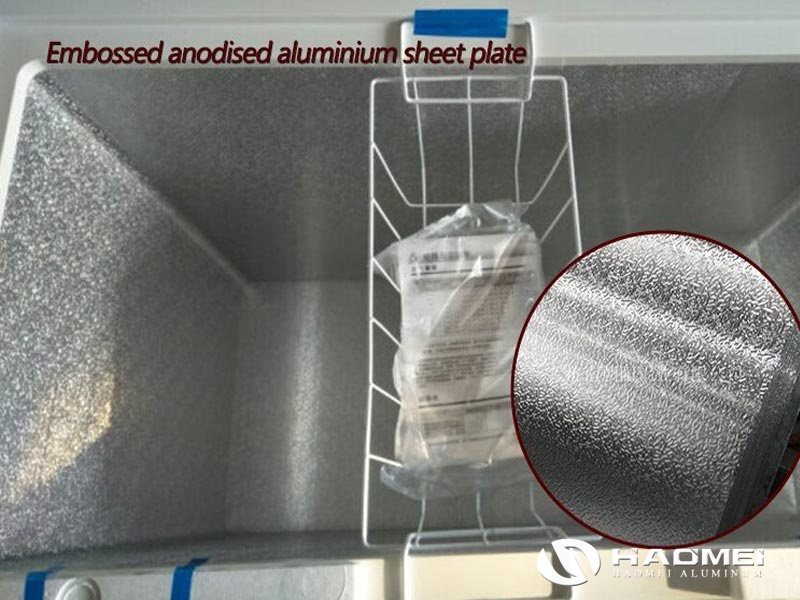
Refrigerators, freezers, kitchen panels, and small appliance housings often use embossed aluminum because it provides a clean, modern look and hides daily wear more effectively than plain polished metal.
Bus, rail, and commercial vehicle interiors may use embossed mirror aluminum for decorative trim, side panels, and lightweight interior structures.
Embossed aluminum is a common choice for cladding, refrigeration liners, and insulation jacketing because of its formability and surface toughness.
Retail and exhibition projects use it for decorative backgrounds, signage panels, and branded display structures where light reflection adds visual appeal.
If you are sourcing embossed mirror aluminum sheet, the specification sheet should go beyond alloy and thickness. I strongly recommend checking the following:
Reflectivity consistency across the coil or sheet
Embossing depth and pattern uniformity
Surface oil, roll marks, and edge condition
Protective film adhesion and removability
Thickness tolerance
Coil inner diameter and sheet flatness
Packaging strength for export shipment
This product can lose value quickly if the packaging is weak. Mirror surfaces, even embossed ones, are still vulnerable during transport. Good interleaving, moisture protection, and solid palletization make a real difference, particularly in humid shipping conditions.
Current demand for embossed mirror aluminum sheet is closely linked to building decoration, appliance manufacturing, and premium interior design. When raw aluminum prices fluctuate, buyers often shift toward thinner gauges or standard alloys like 1050 and 1060 to control total cost. In contrast, higher-end projects continue to favor anodized or custom-pattern products because appearance carries greater value than small price differences.
From what I have seen in export markets, customers increasingly ask for stable color tone, better scratch protection, and more reliable batch consistency. That means the supplier's processing discipline matters just as much as the base metal itself.
Embossed mirror aluminum sheet remains an excellent material for projects that need brightness, texture, lightweight performance, and good fabrication value in one package. When alloy, temper, and surface treatment are selected correctly, it delivers both visual impact and dependable service performance.