Black Stucco Aluminum Sheet
Jun-01-2026
Black stucco aluminum sheet is a practical and visually distinctive material that combines the durability of aluminum with the anti-slip, decorative, and light-diffusing benefits of an embossed surface. In my experience in the aluminum market, black stucco products are often chosen by customers who want more than a standard mill finish sheet. They need a surface that performs well, looks clean, hides scratches better, and supports demanding indoor or outdoor use.
For buyers, fabricators, and project engineers, understanding the right alloy, temper, coating system, and end use is far more important than simply comparing thickness and price. A well-selected black stucco aluminum sheet can improve service life, simplify fabrication, and reduce maintenance costs over time.
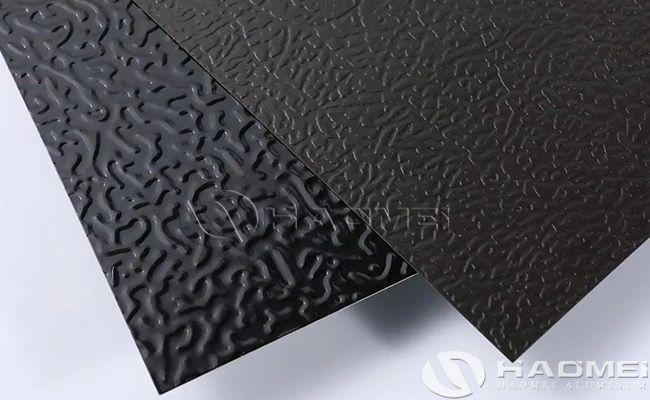
Black stucco aluminum sheet is an embossed aluminum sheet with a black surface finish, usually produced by coating, anodizing, or color painting over a stucco embossed base metal. The stucco pattern creates a textured finish that improves appearance and also provides functional value, such as:
Better scratch concealment
Reduced glare and light reflection
Improved rigidity compared with plain sheet of similar thickness
Enhanced decorative appeal
Better grip and handling in some fabrication environments
The black finish is popular in architectural trim, interior decorative panels, appliance shells, insulation cladding, trailers, and industrial design applications. Depending on the project, customers may choose matte black, semi-gloss black, or deeper textured coated surfaces.
If a project requires a broader embossed range, many buyers also compare black products with Stucco Embossed Aluminum Sheet options in natural or coated finishes.
The alloy choice determines corrosion resistance, formability, strength, and final cost. In actual sales and technical discussions, the most common alloys are from the 1xxx, 3xxx, and 5xxx series.
| Alloy | Main Characteristics | Typical Use in Black Stucco Sheet |
|---|---|---|
| 1050 | High purity, excellent formability, very good corrosion resistance | Decorative panels, insulation covering, light-duty uses |
| 1060 | Similar to 1050, strong conductivity, easy processing | Appliance panels, cladding, general embossing |
| 1100 | Good workability and corrosion resistance | Trim, signage, interior decorative uses |
| 3003 | Excellent corrosion resistance, stronger than 1xxx series | Roofing, insulation jacketing, wall panels, trailers |
| 3004 | Higher strength than 3003 | Structural decorative applications, heavier-duty panels |
| 3105 | Good strength and paint performance | Architectural color-coated embossed products |
| 5052 | Stronger alloy with excellent corrosion resistance | Marine-adjacent use, transport equipment, exterior panels |
From a market perspective, 3003 black stucco aluminum sheet is often the most balanced choice. It offers good forming performance, reliable corrosion resistance, and a price point that remains acceptable for large-volume projects. If customers need stronger edge stability or better performance in harsher environments, 5052 is worth serious consideration, though it comes at a higher cost.
Temper affects hardness, bending performance, and suitability for roll forming or panel fabrication. The most common tempers for black stucco aluminum sheet include:
O: Annealed, soft temper, ideal for deep forming and easier bending
H14: Strain hardened to a half-hard condition, widely used for general fabrication
H24: Strain hardened and partially annealed, balancing strength and formability
H16/H18: Harder tempers for applications where higher surface rigidity is needed
H32: Common for 5xxx alloys such as 5052, combining strength and workable formability
In practical terms, H14 and H24 are the most commonly requested tempers for embossed and color-coated products. They provide enough stiffness for handling and installation without becoming too brittle during fabrication.
The value of black stucco aluminum sheet is not only in the alloy itself, but also in the combination of embossed geometry and black surface treatment.
The stucco pattern helps reduce the visibility of minor dents, handling marks, and waviness. This is especially useful for exterior trim and high-visibility decorative installations.
Aluminum naturally offers good corrosion resistance, and when matched with proper coating systems, black stucco sheet performs very well in humid, industrial, and mildly corrosive environments.
Black surfaces absorb more heat than natural aluminum, which can be either an advantage or a design consideration depending on the application. In decorative equipment housings or architectural features, this effect may support the desired appearance. In insulated systems, coating quality becomes especially important.
Embossing increases panel rigidity compared with a smooth sheet of equivalent gauge. That added stiffness is one reason stucco finishes remain popular in cladding and appliance applications.
Good-quality black stucco aluminum sheet can be cut, bent, punched, and roll formed efficiently. The key is selecting the right alloy-temper combination and ensuring coating adhesion is suitable for the fabrication route.
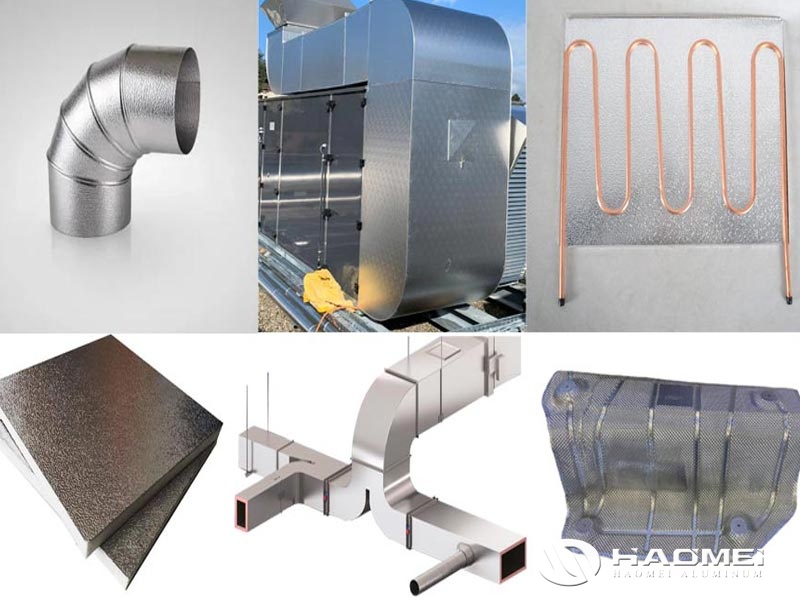
Many materials can be painted black, but not all of them maintain appearance after transport, storage, and installation. Stucco embossed aluminum has a clear advantage because the texture disguises wear much better than flat black sheet.
Compared with steel alternatives, aluminum provides significant weight savings. This matters in trailers, mobile units, appliance manufacturing, and suspended architectural elements.
For outdoor or semi-exposed use, this is one of aluminum's strongest selling points. In my view, many customers initially focus on the color and texture, but the long-term value often comes from lower maintenance and reduced replacement frequency.
Whether the buyer needs sheet, coil, cut-to-size panels, or formed parts, stucco embossed aluminum is a highly adaptable product. For coil-fed production lines, Stucco Embossed Aluminum Coil is often the more efficient sourcing format.
Black fits modern architectural language extremely well. It pairs naturally with glass, wood-tone finishes, stainless steel, and concrete surfaces. This is one reason demand for black embossed products has remained stable even when broader decorative sheet markets fluctuate.
Black stucco aluminum sheet is used across several sectors:
Interior wall panels
Ceiling decoration
Column covers
Door and window trim
Facade accent panels
Insulation cladding and protective covering
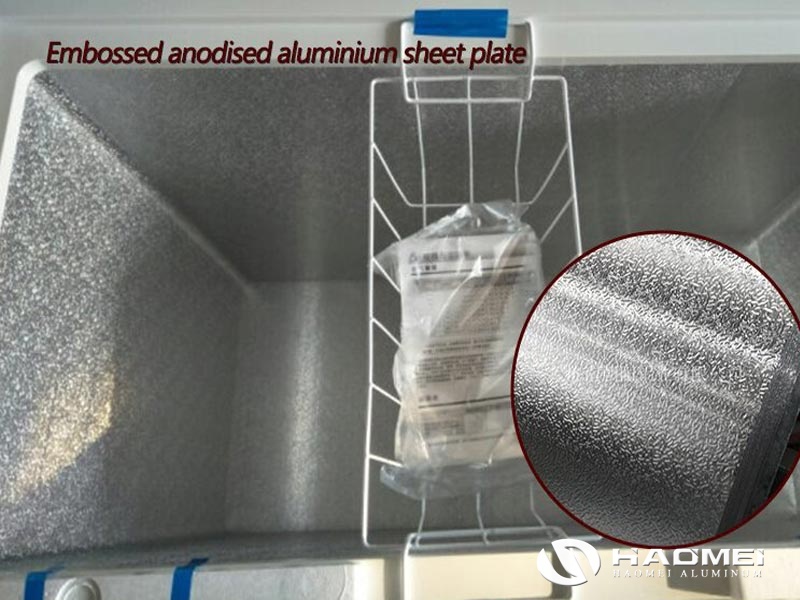
Refrigerator and freezer outer panels
Ventilation covers
Equipment casings
Heat-exchange-related outer panels
Trailer interiors and exteriors
Toolboxes and utility enclosures
RV decorative panels
Vehicle side lining
Display systems
Retail fixtures
Elevator decorative panels
Machine covers
Protective wall cladding
When I speak with customers, I usually recommend looking beyond the basic quotation. Black stucco aluminum sheet should be evaluated through five key points:
Alloy suitability: 1050 or 1060 for high formability, 3003 for balanced performance, 5052 for stronger corrosion resistance.
Temper matching: H14 and H24 are usually safer for general fabrication.
Coating quality: Check paint adhesion, color consistency, UV resistance, and film thickness.
Embossing depth and uniformity: Surface consistency directly affects appearance and forming results.
Application environment: Indoor decorative use is different from humid outdoor service or transport applications.
Price-sensitive buyers sometimes choose purely on thickness and coating color, but that can lead to problems such as edge cracking, coating peel-off, or inconsistent gloss. In the current market, raw aluminum cost, coating chemistry, and finishing quality all influence final value. The cheapest offer is rarely the most economical one over the product lifecycle.
Professional suppliers typically provide black stucco aluminum sheet in:
Sheet and coil form
Custom thickness and width
PE or PVDF coated surfaces
Matte, satin, or gloss black finishes
Protective film application
Custom packaging for export or container shipment
For export business, packaging quality matters more than many buyers expect. Embossed sheet can still suffer edge damage, pressure marks, or moisture issues during long transit if not packed correctly.
From my observation, black stucco aluminum sheet keeps its market appeal because it sits at the intersection of function and design. It is lightweight, corrosion resistant, visually modern, and easier to maintain than many painted steel or flat decorative alternatives. It also serves both low-volume customized projects and high-volume industrial manufacturing.
For customers who value a combination of appearance, durability, and practical fabrication performance, black stucco aluminum sheet remains one of the more dependable embossed aluminum solutions available today.