Stucco Embossed Aluminum Sheet Exporter
Mar-10-2026
Global demand for lightweight, corrosion-resistant cladding materials continues to rise, and stucco embossed aluminum sheet remains one of the most practical answers for OEMs and fabricators. Behind the scenes, exporters that specialize in embossed aluminum are increasingly judged less by broad claims and more by measurable consistency: emboss definition, gauge control, surface cleanliness, and packaging that survives long ocean transits.
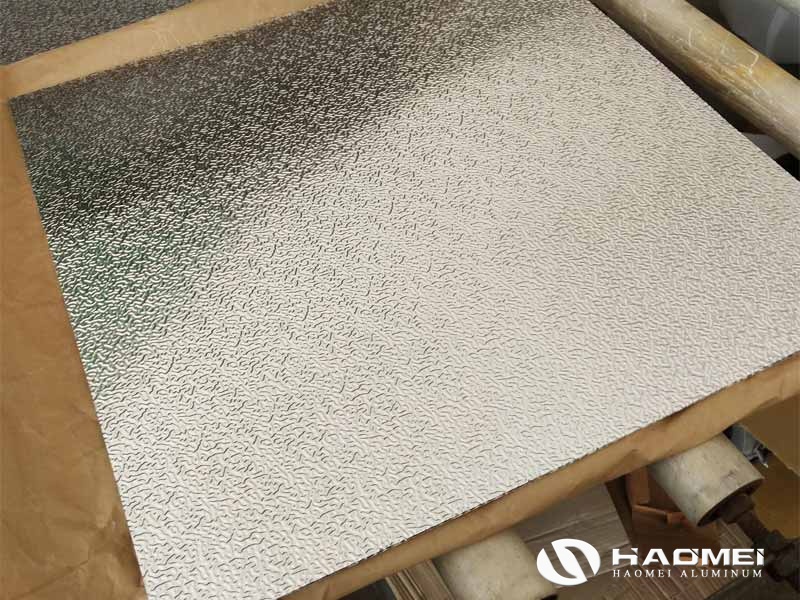
Stucco embossing is not only about appearance. The textured pattern reduces visible dents and handling marks, improves scratch masking during fabrication, and can enhance stiffness compared with a flat sheet at the same thickness. For downstream users producing jacketing, insulation cladding, appliance panels, or trailer and container components, these effects translate into fewer cosmetic rejects and steadier forming behavior.
From an exporter's perspective, delivering "the same feel" coil after coil is the real challenge. Emboss depth must be stable, edges must remain clean, and the material must run smoothly through customer lines. That is why mature suppliers focus on controlled rolling parameters, careful pattern roll maintenance, and surface inspection that catches issues early rather than at the port.
A reliable stucco embossed aluminum sheet exporter typically builds capability around three technical pillars:
1) Tight thickness and flatness controlCustomers using continuous lamination, profiling, or high-speed slitting care about thickness stability more than marketing terms. Consistent gauge reduces tool wear, keeps adhesive consumption predictable, and improves mating with insulation cores or foam layers. Flatness also matters when sheets are cut-to-length for panel work, where waviness can slow assembly.
2) Repeatable embossing and surface cleanlinessEmbossing quality comes down to pattern roll precision, stable tension control, and keeping the surface free of oil stains or embedded particles. Export-oriented producers often combine inline surface checks with sampling protocols so each lot maintains the same visual standard and forming response.
3) Material selection aligned to application standardsMany buyers specify common series for predictable performance: 1xxx for high corrosion resistance and excellent workability, 3xxx (such as 3003) for improved strength, and 5xxx where higher strength is required. In insulation jacketing and HVAC cladding, a frequent requirement is 3003-H14 or 1100/1050 in H14 temper, balancing formability with durability.
One practical industry detail that procurement teams often reference is jacketing thickness conventions: 0.016 in (about 0.4 mm) is widely used for insulation jacketing, while higher thicknesses are selected for impact-prone environments. Exporters that understand these norms can propose suitable gauges without overengineering cost.
International buyers evaluate exporters by what happens when the container arrives.
Export-grade packaging is one of the biggest differentiators. Moisture protection, edge guards, and stable palletization reduce the risk of transit damage. Many experienced exporters include desiccants and sealed wrapping to mitigate condensation risk during sea freight, especially for routes with large temperature swings.
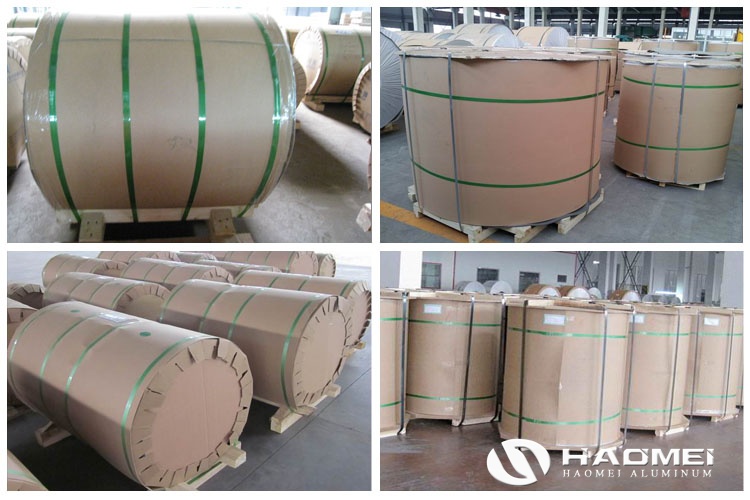
Lot traceability and document readiness also matter. Consistent labeling, coil IDs, and clear mill test documentation help customers integrate inbound material into ISO-style QA systems without delays. For time-sensitive industries like appliance manufacturing, reducing receiving friction can be as valuable as a small price difference.
Flexible supply formats support more customer processes. Some buyers need embossed coil for slitting and roll-forming; others require cut-to-length sheets. Exporters equipped to supply both, while maintaining the same emboss appearance and mechanical properties, simplify multi-site purchasing.
Stucco embossed aluminum has become a staple across several sectors:
HVAC duct and insulation jacketing: The textured surface masks handling marks in field installation and improves durability in industrial environments.
Refrigeration and appliance panels: Embossed aluminum supports clean aesthetics and resists minor scuffs during assembly.
Cold room and insulation systems: Suitable as facing material where consistent gauge supports lamination performance.
Transportation and general fabrication: Used where corrosion resistance and weight reduction are priorities.
Aluminum procurement is influenced by exchange rates, regional premiums, and rolling capacity utilization, so buyers increasingly value exporters that can offer stable planning windows and responsive coordination. In practice, that means clear communication on available alloys and tempers, realistic production schedules, and shipment planning that reduces port-side uncertainty.
For companies sourcing internationally, a specialized stucco embossed aluminum sheet exporter is less a vendor and more a production partner: one that delivers consistent embossing, application-ready alloys, and shipment reliability that keeps downstream lines running.