Stucco Embossed Aluminum Roll
Mar-12-2026
Stucco embossed aluminum roll is a functional surface-engineered aluminum coil designed to do two things exceptionally well: protect and perform. In export manufacturing, I see it used most often as jacketing and cladding because the embossed texture increases rigidity, hides handling marks, and improves overall service life in real jobsite conditions.
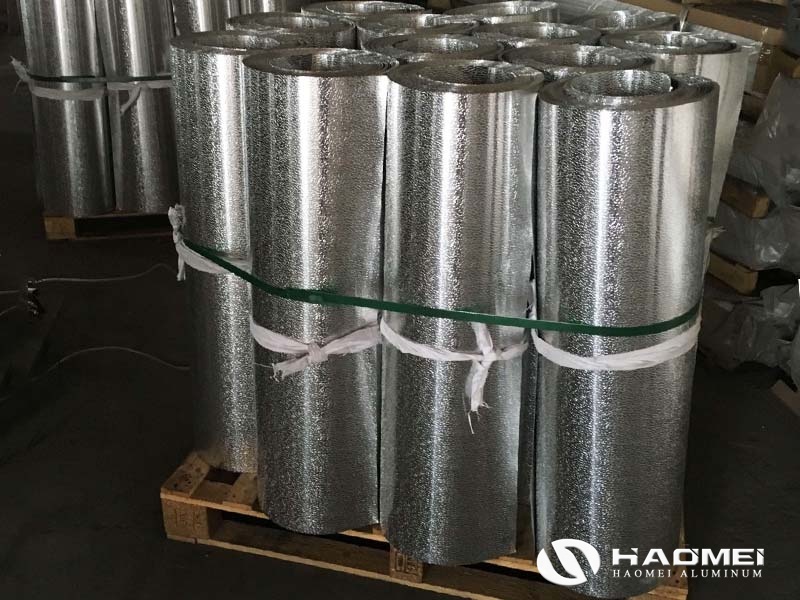
A stucco embossed aluminum roll (also referred to as stucco embossed aluminum coil) is produced by running aluminum coil through embossing rollers that imprint a repeating "orange peel" or stucco-like pattern. The embossing is not just decorative. From a technician's point of view, it is a mechanical upgrade: the pattern raises the section modulus slightly and reduces the visual impact of dents and scratches that inevitably happen during fabrication, crating, transport, and installation.
In most export orders, the roll is supplied with a coating or film protection to match the end-use environment, especially for insulation jacketing in outdoor or industrial settings.
When buyers compare suppliers, the key is to align specifications with the application rather than chasing a single "best" grade. The most common spec framework includes:
Alloy: 1xxx and 3xxx series are mainstream for stucco embossed products.
1050/1060/1100: high formability and good corrosion resistance for general jacketing.
3003: stronger than 1xxx, widely chosen for insulation cladding where impact resistance matters.
Temper: typically H14/H24 for balanced strength and forming, or softer tempers when tight forming is needed.
Common thickness ranges in industrial trade are roughly 0.3–1.2 mm, with frequent demand around 0.5–0.8 mm for insulation jacketing. Width and coil weight are tailored to customer decoiling lines, slit widths, and container loading plans.
"Stucco" is often standardized, but emboss depth and pitch can vary by roller design. This is important because:
deeper embossing improves stiffness and scratch masking,
shallower embossing is easier to form and may reduce pattern stretch marks on tight bends.
Mill finish: economical, suitable for indoor or controlled environments.
Coated (PVDF/PE): selected for UV exposure, coastal environments, chemical plants, and aesthetic requirements.
Moisture barrier options: for insulation jacketing, polysurlyn or similar backing is often specified to reduce galvanic and crevice corrosion risks.
For export coils, film selection (adhesion level and temperature behavior) matters more than many buyers expect. A film that is too aggressive can leave residue; too weak and it fails during handling.
From production and field feedback, these are the features that consistently drive repeat orders:
Embossing breaks up reflected light, so minor transport or installation damage is far less visible than on flat sheet. This is especially valuable for exposed jacketing and appliance panels.
Embossing increases apparent stiffness. Many customers can use a slightly thinner gauge while maintaining handling strength, improving cost efficiency and reducing shipping weight.
Base aluminum already forms a protective oxide layer. When paired with the correct alloy choice and coating/backing system, stucco embossed aluminum performs well in humid, marine, or industrial environments. In my experience, corrosion issues are more often caused by incorrect accessory selection (fasteners, bands) or poor moisture management than by the aluminum coil itself.
Quality embossing should be consistent across the coil length and width. Good control minimizes edge wave, camber, and coil set issues that can slow downstream processing.
A supplier's advantage shows up in consistency. Buyers can usually source "stucco coil," but reliable performance depends on process control:
Emboss uniformity: consistent pattern depth reduces visual variation between batches and improves forming stability.
Coating adhesion and curing: especially for PVDF/PE systems, proper curing prevents chalking, peeling, and color shift.
Dimensional control: tight thickness tolerance and stable mechanical properties reduce cracking on bends and ensure predictable installation.
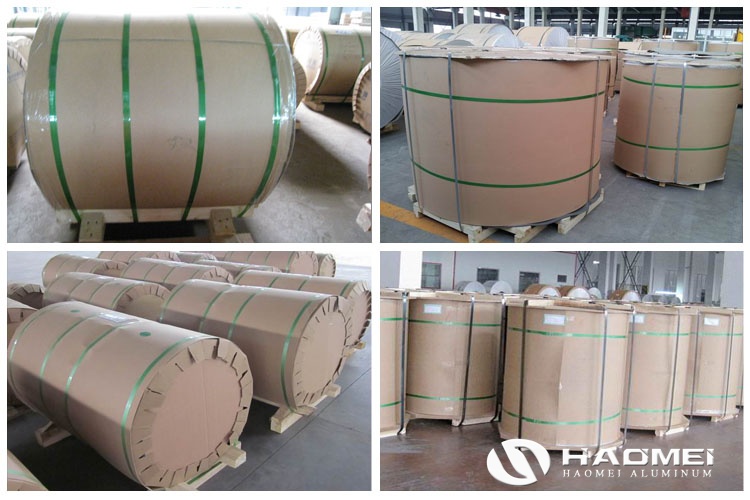
Export packaging discipline: edge protection, anti-moisture measures, and coil securing reduce claim risk in long-distance shipments.
If your project requires more product options, you can also compare related items such as stucco embossed aluminum sheet and stucco embossed aluminum supplier selections on our website.
This is the classic application. The embossed surface resists jobsite wear, and the coil format supports high-volume fabrication.
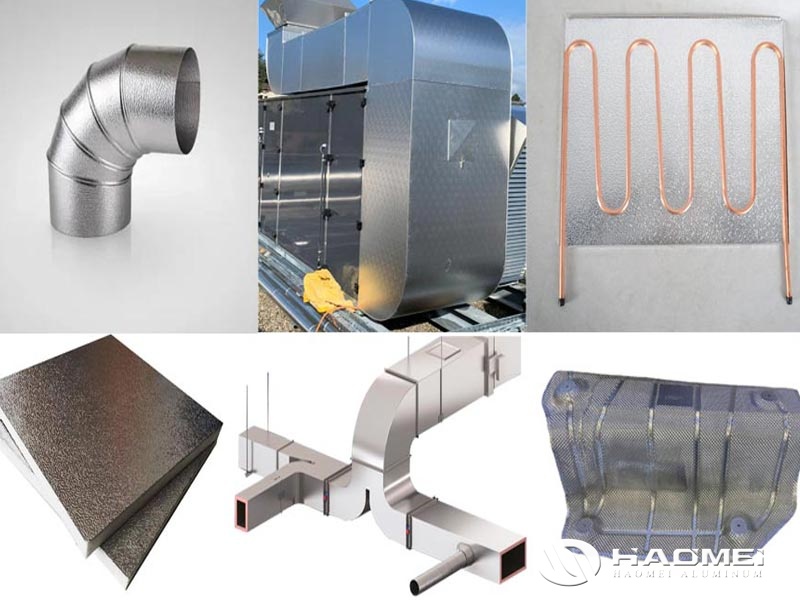
Used for protective skins, equipment panels, and architectural details where durability and appearance stability are needed.
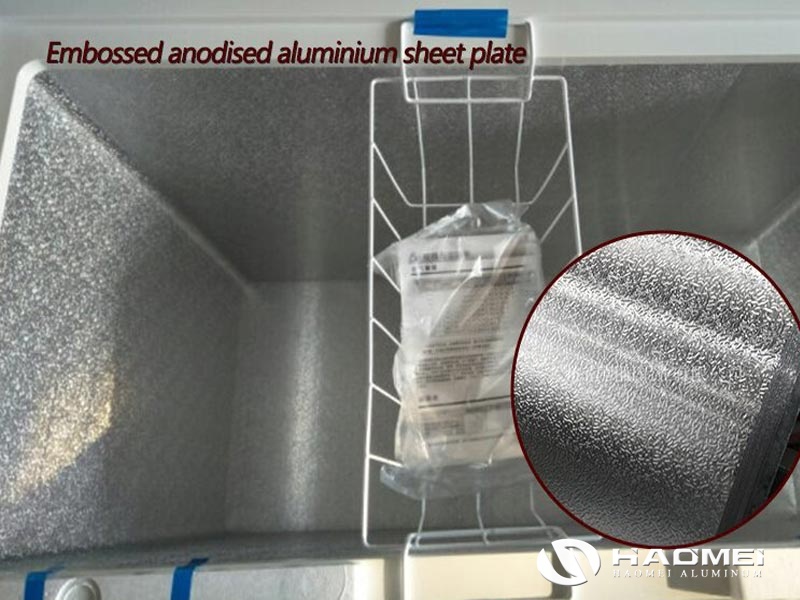
Embossed aluminum is common in appliance trim and internal/external liners where scratch hiding and stiffness are beneficial.
For trailers, enclosures, and protective guards, the texture improves wear appearance and helps keep surfaces looking cleaner over time.
Specify the environment first (indoor, coastal, chemical exposure, temperature cycling), then lock alloy/coating/backing.
Confirm emboss pattern standard with a reference sample or roller code, especially when matching previous supply.
For coated coils, request coating thickness and performance standards (gloss, pencil hardness, impact, bend test) that match your forming process.
Don't ignore packaging details for export: edge protectors, desiccant, and seaworthy wrapping reduce hidden moisture problems.
Stucco embossed aluminum roll earns its reputation because it solves practical problems: it protects insulation systems, improves appearance retention, and delivers strength and processing efficiency in a coil format. When the alloy, temper, coating, and emboss profile are correctly matched, it becomes one of the most cost-effective aluminum products for long-term service in demanding environments.