Painted Embossed Aluminum Sheet Supplier
Apr-03-2026
When customers ask me what separates a reliable painted embossed aluminum sheet supplier from a trader, my answer is consistent: control over alloy selection, temper, embossing depth consistency, coating chemistry, and process discipline across the entire coil-to-sheet workflow. Painted embossed aluminum sheet is not just "colored aluminum with a pattern." It is a functional engineered surface designed to hide minor handling marks, resist corrosion, improve stiffness, and elevate visual appeal across demanding environments.
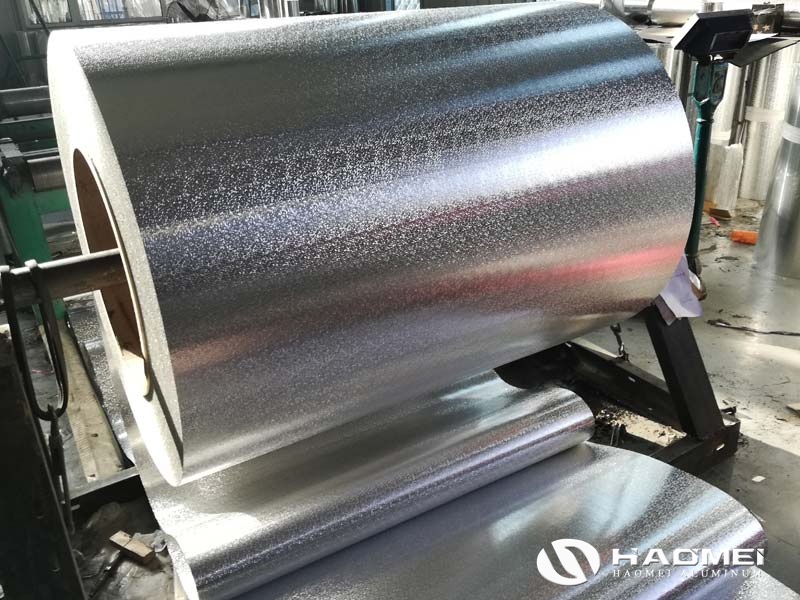
As someone who watches aluminum price movements closely, I also see painted embossed products chosen increasingly for a practical reason: the added value comes from performance and aesthetics rather than chasing thickness. In today's cost-sensitive market, smarter material design often outperforms "more metal."
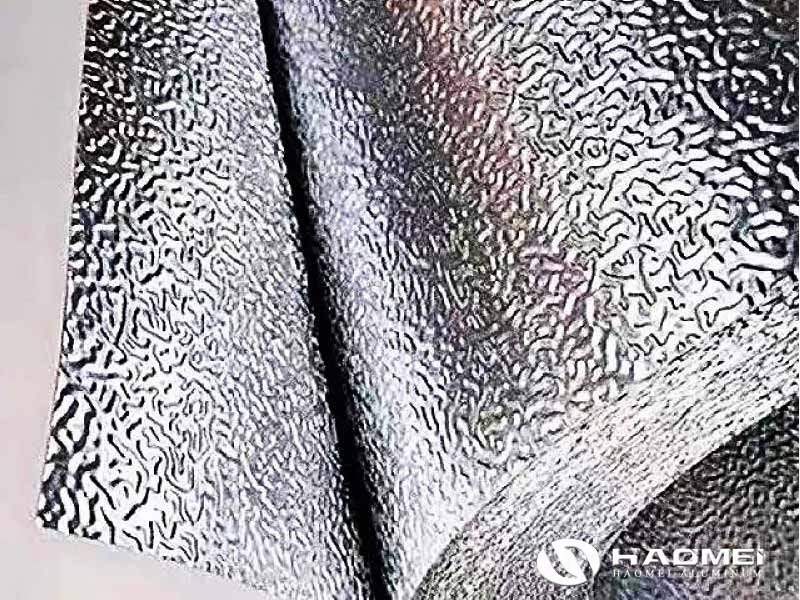
Painted embossed aluminum sheet is produced by embossing an aluminum strip or sheet (stucco, diamond, orange peel, pebbled, hammered, etc.), then applying a coating system (most commonly PE or PVDF) to one or both sides. The emboss pattern increases surface area and rigidity; the paint system adds color stability and weather protection.
If you are specifying popular patterns for building skins, appliance panels, or insulation jacketing, you may also want to review our Color Stucco Embossed Aluminium Sheet range.
Alloy choice drives formability, corrosion behavior, dent resistance, and total cost. Below are the alloys I recommend most often based on real-world fabrication feedback.
| Alloy Series | Typical Alloys | Why It's Used | Common End Uses |
|---|---|---|---|
| 1xxx (commercially pure) | 1050, 1060, 1100 | Excellent corrosion resistance, great formability, cost-effective | Insulation jacketing, ducting skins, interior panels |
| 3xxx (Al-Mn) | 3003, 3004, 3105 | Better strength than 1xxx with good workability | Cladding, roofing, appliance liners, trailer panels |
| 5xxx (Al-Mg) | 5052 | Higher strength and superior marine/corrosive performance | Coastal architecture, transport, chemical environments |
My industry note: For outdoor architectural cladding where wind load, handling, and long service life matter, 3003/3105 with a high-quality PVDF is a balanced solution. For coastal or industrial zones, 5052 is often worth the premium.
Tempers are not just paperwork; they determine whether the sheet will crack during forming, oil-can during installation, or feel too soft in service.
O (Annealed): Best for deep forming and tight radii. Often used when customers stamp or curve the sheet.
H14/H24 (Half-hard variants): A strong choice for cladding and jacketing where rigidity is needed without losing too much formability.
H18 (Full hard): Maximum stiffness, limited forming. Suitable when the part is mostly flat.
From my experience, the "safe default" for many embossed cladding projects is 3003 H24 or 1100 H24. It offers stable flatness after embossing and enough ductility to manage typical fabrication.
Painted embossed aluminum sheet lives or dies by coating performance. The emboss pattern can amplify coating appearance, so uniform film build and proper curing are crucial.
PE (Polyester): Cost-effective, good for indoor or moderate outdoor exposure. Widely used for appliance panels and interior decorative skins.
PVDF (Fluorocarbon, e.g., 70% Kynar-type): Premium weatherability, color retention, UV resistance. Preferred for long-life architectural applications.
Practical insight: When you compare offers, don't evaluate by coating name alone. Ask for coating thickness, primer/topcoat structure, gloss range, adhesion standards, and a realistic service environment statement. A "PVDF" label without process control does not guarantee durability.
Embossing increases moment of inertia, which helps reduce panel flutter and oil-canning. This is one reason stucco embossed panels perform well on large-area coverage.
On job sites and in production lines, perfectly smooth painted sheets show every rub mark. Emboss textures hide minor defects and help maintain a premium look.
The base aluminum already forms a protective oxide layer. Add a properly specified coating, and you gain an extra barrier system useful for humid zones, coastal areas, and chemically active environments.
Embossed aluminum is widely used as jacketing for insulation systems, HVAC duct wraps, and cold-room equipment where appearance, protection, and service access matter.
Color matching, gloss control, and pattern selection allow architects and OEMs to differentiate products without complex post-processing.
As a painted embossed aluminum sheet supplier, the core value is consistency. Here is what I consider non-negotiable for professional supply:
Stable emboss depth and pattern clarity across coil length, reducing visual inconsistency on installed panels.
Coating adhesion and flexibility so that bends, hems, and forming do not crack or delaminate.
Controlled flatness and residual stress to minimize waviness after slitting and shearing.
Packaging discipline (interleaving, edge protection, moisture control) to prevent transit damage and "white rust."
For broader pattern and thickness options, see our Embossed Aluminum portfolio.
While each project differs, common ranges include:
Thickness: 0.3–2.0 mm (jacketing often 0.3–0.8 mm; cladding often 0.8–1.5 mm)
Width: 600–1250 mm common; wider on request depending on mill capability
Coating: PE or PVDF, single or double side, with primer/topcoat structure
Surface: Stucco embossed, diamond, orange peel, pebbled, customized patterns
Pricing reality from the field: Total cost depends on LME/aluminum ingot trends, alloy surcharge, coating type and thickness, pattern roll wear, yield loss during embossing, and packaging. When aluminum prices move fast, the most transparent suppliers separate metal basis from conversion cost so you can track cost drivers accurately.
Exterior cladding and decorative panels
Roof flashings and fascia trims
Soffits and ceiling systems
PVDF-coated embossed sheets are especially strong in UV-heavy and rainy climates where color stability and chalk resistance are essential.
Pipe and tank insulation jacketing
HVAC and duct outer skins
Cold storage and thermal equipment covers
Embossing improves dent resistance from foot traffic and routine maintenance contact.
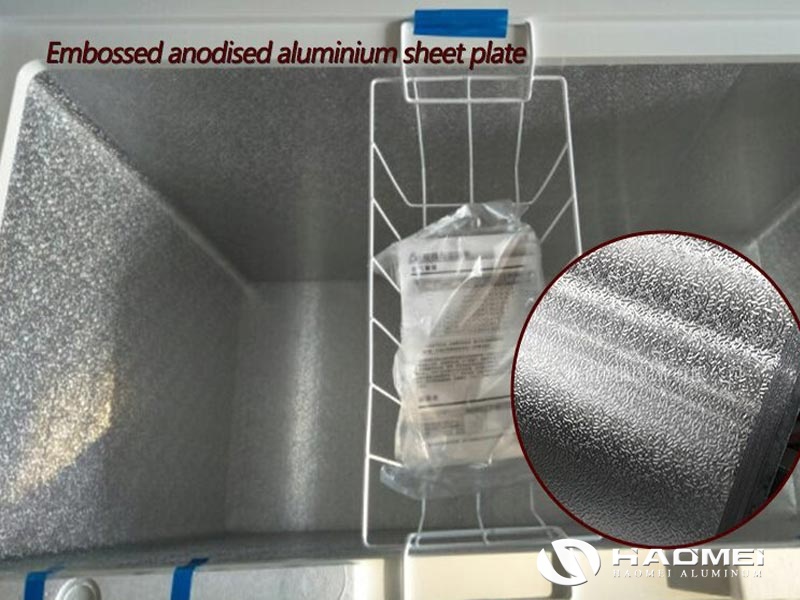
Refrigerator back panels, liners, and decorative trims
Freezers, display cabinets, and white goods skins
Trailer and truck body panels (where scratch hiding is valuable)
Toolboxes, equipment covers, interior linings
When buyers send only a thickness and color code, the risk of mismatch is high. I typically ask five questions to lock the correct product:
Indoor or outdoor exposure, and expected service life?
Forming requirements: bending radius, stamping, hemming?
Installation method: rivets, adhesive, cassette system?
Environment: coastal salt, industrial emissions, high humidity?
Aesthetic expectations: gloss level, texture visibility, color tolerance?
Answering these quickly narrows the best alloy-temper-coating package and avoids costly rework.
If you are sourcing a painted embossed aluminum sheet supplier for consistent quality at scale, focus on the fundamentals: select the right alloy (often 1xxx/3xxx/5xxx), choose a temper that matches fabrication, and specify a coating system that fits the real environment rather than the lowest initial cost.