Painted Embossed Aluminum Sheet Price
Apr-08-2026
Understanding painted embossed aluminum sheet price is less about chasing a single "market number" and more about translating your application requirements into measurable specifications. Two buyers can order the "same" painted embossed sheet and see very different outcomes on cost, lead time, and performance because alloy choice, coating system, embossing depth, and packaging standards all change the delivered value. If you are sourcing for distribution or an end-use project, the best approach is to treat painted embossed aluminum sheet price as a function of technical inputs, not just a tonnage figure.
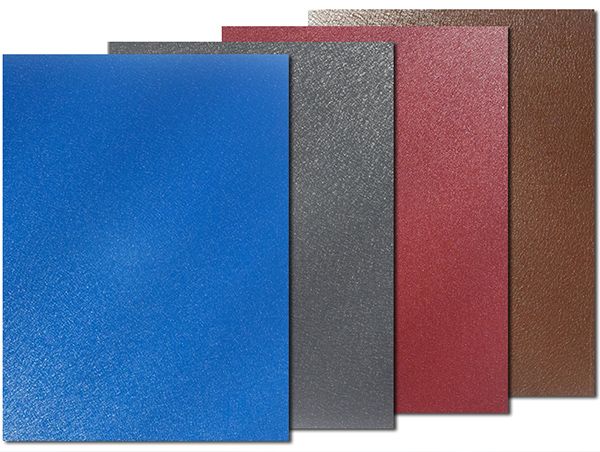
A workable view of painted embossed aluminum sheet price typically combines four layers of cost:
Base aluminum value: alloy family (1xxx/3xxx/5xxx), thickness, width, and overall weight.
Embossing conversion: pattern roll wear, pass schedule, yield loss, and surface control.
Coating and curing: paint chemistry (PE, PVDF, SMP), primer/topcoat thickness, gloss, color matching, and line speed.
Export overhead: QC, protective film, seaworthy packaging, inland transport, and ocean freight.
When distributors compare offers, confusion often comes from whether a quote is coil vs sheet, whether it includes film, whether it is based on a standard coating (like 18–20 μm PE) or a higher durability system, and whether the seller is quoting on theoretical weight or actual weight after embossing and coating. These details can move painted embossed aluminum sheet price enough to flip a buying decision.
Alloy is one of the first "silent" drivers of painted embossed aluminum sheet price. Common choices include:
1060/1100: high formability and thermal conductivity; frequently used for appliance panels and light-duty skins.
3003: balanced strength and corrosion resistance; a mainstream option for cladding and general fabrication.
5052: higher strength and better marine corrosion resistance; typically priced higher and preferred for more demanding environments.
Temper (O, H14, H24, etc.) influences formability and dent resistance. If your application needs deep forming, requesting an overly hard temper can increase scrap during fabrication, effectively increasing your true painted embossed aluminum sheet price at the project level.
Thickness affects both weight and coating behavior. Wider sheets and tight flatness tolerances often require tighter process control and may reduce yield. If you need laser-flat panels for visible architecture, specify allowable waviness and camber. Over-specifying without a functional reason tends to inflate painted embossed aluminum sheet price.
Paint chemistry is a major lever:
PE (Polyester): cost-effective for indoor use and moderate outdoor exposure.
PVDF: better UV and chalk resistance for long-term outdoor cladding; higher material and processing cost.
Also define:
topcoat thickness (common ranges: ~15–25 μm for many PE systems)
primer thickness
back coat requirement
gloss and color tolerance
A buyer requesting PVDF, higher film build, and strict color delta standards should expect painted embossed aluminum sheet price to rise, but also expect fewer warranty issues and better appearance retention.
Embossing is not "free texture." Pattern type (stucco, orange peel, diamond, pebbled), depth, and repeat consistency affect line speed and defect rates. Deeper patterns can also influence apparent color because light scatters differently across the texture-this can force slower coating-line adjustments and more frequent color checks, affecting painted embossed aluminum sheet price.
If your market commonly requests stucco texture, referencing a standardized product page like Color Stucco Embossed Aluminium Sheet helps align expectations on typical pattern and coating options.
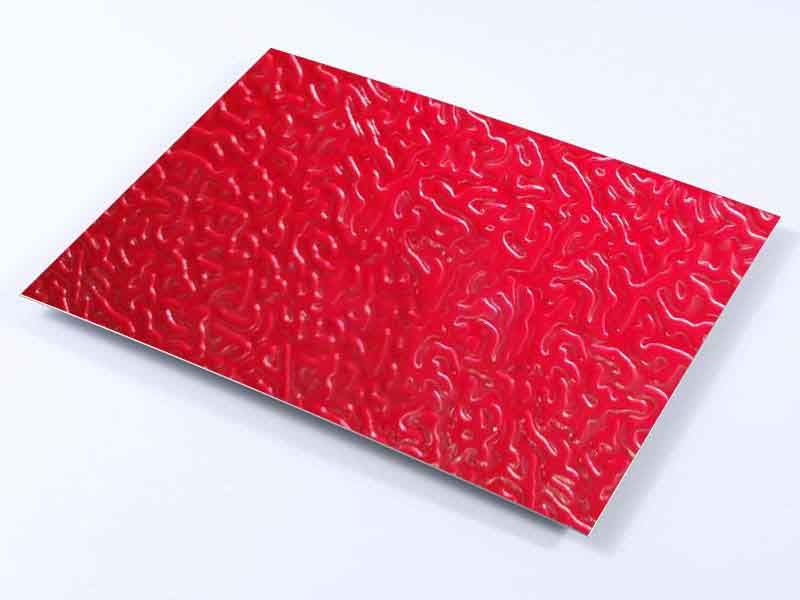
Different end uses punish different mistakes. Painted embossed aluminum sheet price should be evaluated against application risk.
For refrigerators, coolers, and liners, buyers care about scratch resistance, cleanability, and consistent texture. Protective film and packing method can matter as much as paint type because transit scuffing leads to claims. If your spec is appliance-grade, align on acceptable minor surface marks and film type, or painted embossed aluminum sheet price will look attractive until replacement costs appear.
For jacketing, corrosion resistance and formability are critical. Many projects prefer stucco embossed surfaces to reduce oil-canning and hide handling marks. If you are also comparing coil supply for fabrication, referencing Stucco Embossed Aluminum Coil can help standardize sourcing around thickness, temper, and coating needs that impact painted embossed aluminum sheet price.
Architecture typically demands color stability, UV resistance, and tight gloss control. PVDF or enhanced SMP systems can reduce life-cycle cost even when painted embossed aluminum sheet price is higher up front. For projects, negotiate sample approval and retention samples; it reduces disputes and rework.
If you want comparable offers across suppliers, include a short "quote sheet" with measurable parameters:
Alloy and temper (e.g., 3003 H24)
Thickness and tolerance (e.g., 0.60 mm ± 0.02 mm)
Width/length or coil ID/OD (depending on supply form)
Embossing pattern name and target depth (or reference sample)
Coating system (PE/PVDF/SMP), top/back coating thickness, gloss range
Color standard (RAL code or physical sample) and allowable delta
Film requirement (yes/no, thickness) and film adhesive type
Quality standard: visual inspection distance, allowed defects per area
Packaging: pallet type, corner protection, moisture barrier, container loading
Trade terms: FOB/CFR/CIF, destination port, and desired shipment schedule
This approach reduces "hidden" differences that distort painted embossed aluminum sheet price comparisons. It also speeds up technical confirmation, which is often the real bottleneck in export transactions.
A few recurring factors shape pricing behavior in global trade:
Aluminum price volatility: Most mills price against a base metal reference plus conversion. If you need stable budgeting, ask for a price validity window and clarify the metal pricing mechanism.
Coating raw materials: Resin and pigment swings can affect painted embossed aluminum sheet price, especially for PVDF systems and special colors.
Freight and container availability: Delivered price can move even when ex-works stays stable.
MOQ and production scheduling: Small orders with special colors can carry higher conversion cost. Consolidating colors or using stock colors can lower painted embossed aluminum sheet price meaningfully.
To reduce painted embossed aluminum sheet price while keeping fit-for-purpose performance:
Standardize on a widely used alloy (often 3003 for general cladding) unless the environment demands 5xxx.
Use stock colors for routine distribution, reserve custom colors for confirmed projects.
Align coating system to exposure: indoor PE is reasonable; harsh UV/coastal zones justify PVDF.
Confirm film only when needed: film adds cost and can complicate processing if adhesive residue occurs.
Optimize sheet size to reduce your fabrication scrap; waste is an invisible part of painted embossed aluminum sheet price.
Before placing an order, verify these points to ensure the quoted painted embossed aluminum sheet price is truly comparable:
Is the quote based on actual weight or theoretical weight?
Are coating thicknesses clearly stated (top and back)?
Is embossing pattern and depth defined or only named?
Is protective film included, and what type?
Are inspection criteria and claim windows agreed?
Does packaging match your route (humidity, long transit, transshipment)?
Are trade terms and destination charges clearly allocated?
When these variables are controlled, painted embossed aluminum sheet price becomes predictable, supplier comparisons become fair, and downstream claims drop sharply-exactly what distributors and end users want when building a long-term supply program.