Embossed Aluminum Sheet 1100 3003 5052
Mar-06-2026
Embossed aluminum sheet 1100 3003 5052 is a practical material choice when buyers need lightweight corrosion resistance, improved surface durability, and a textured finish that hides handling marks. From an export standpoint, embossed aluminum sheet 1100 3003 5052 also reduces visible scratches during shipping and fabrication, which can lower claim risk in high-volume distribution.
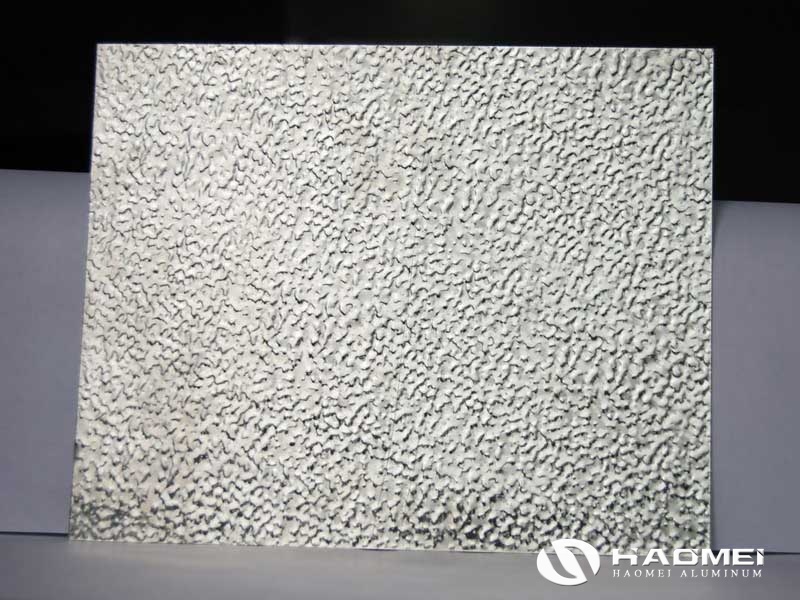
Embossed aluminum sheet 1100 3003 5052 is not only about appearance. The embossing pattern (commonly stucco) increases surface stiffness slightly, breaks up reflectivity, and improves wear performance where panels contact packaging, insulation foam, or assembly fixtures. In HVAC jacketing, cold-room construction, appliance liners, and transport paneling, embossed aluminum sheet 1100 3003 5052 is selected because it combines:
Better cosmetic consistency after handling (texture hides scuffs)
Strong corrosion resistance options across different environments
Broad availability in coil and sheet formats for converters
Compatibility with common coatings, laminations, and adhesives
For distributors, embossed aluminum sheet 1100 3003 5052 tends to be a stable SKU family because these alloys cover most end-use requirements without over-specifying cost.
Embossed aluminum sheet 1100 3003 5052 is essentially a selection problem: choose the alloy that matches forming demands, corrosion exposure, and strength targets.
In embossed aluminum sheet 1100 3003 5052, 1100 is valued for high ductility and excellent corrosion resistance in many non-marine environments.
Strength: Lowest among the three; best for non-structural skins
Formability: Excellent; preferred for deep forming or tight bending radii
Thermal conductivity: High; useful where heat transfer matters
Typical uses: Appliance parts, decorative cladding, light-duty insulation jacketing
When buyers want easy fabrication and consistent emboss definition at thinner gauges, 1100 is often the most forgiving choice within embossed aluminum sheet 1100 3003 5052.
In embossed aluminum sheet 1100 3003 5052, 3003 is the "workhorse" for general purpose cladding and jacketing.
Strength: Higher than 1100 with minimal loss of formability
Corrosion resistance: Very good in atmospheric and many industrial settings
Weldability: Good
Typical uses: HVAC duct and insulation jacketing, trailer panels, architectural trims
For most distributors serving HVAC and refrigeration supply chains, 3003 is the most frequently reordered alloy in embossed aluminum sheet 1100 3003 5052 because it balances cost, strength, and processing behavior.
In embossed aluminum sheet 1100 3003 5052, 5052 is selected where corrosion exposure is harsher or where higher strength is required.
Strength: Highest among the three in common tempers
Corrosion resistance: Excellent, especially in marine or salt-prone environments
Formability: Good, but typically less forgiving than 1100/3003 for extreme forming
Typical uses: Marine components, coastal HVAC enclosures, transport equipment, fuel-related or chemical-contact parts (application-dependent)
If the end customer is near coastal regions or specifies salt-spray performance, 5052 is often the safest option within embossed aluminum sheet 1100 3003 5052.
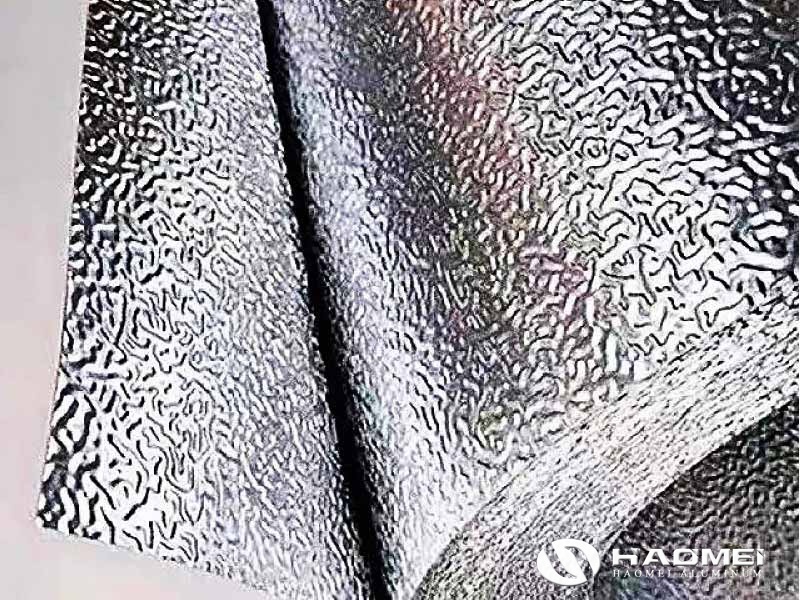
Embossed aluminum sheet 1100 3003 5052 is commonly supplied in tempers that match forming and stiffness requirements. While availability varies by mill, these are frequent selections:
O (annealed): Best for tight bending and deep forming; lowest strength
H14/H24 (strain hardened, partially annealed): Popular for jacketing and panels; stable flatness and good dent resistance
H32 (common for 5052): Balanced strength and formability; widely used for marine-corrosion resistance
Thickness ranges often depend on application:
0.3–0.8 mm: Appliance skins, light cladding, foam-laminated panels
0.8–1.5 mm: HVAC insulation jacketing, general equipment panels
1.5–3.0 mm: Transport and enclosure panels needing higher rigidity
A practical buying tip: for embossed aluminum sheet 1100 3003 5052, specify a thickness tolerance aligned with your fabrication method (roll forming vs. stamping) and verify whether thickness is measured on the "base metal" or includes the emboss height.
Embossed aluminum sheet 1100 3003 5052 typically uses stucco embossing, but pattern depth and geometry can differ by supplier tooling. This affects appearance, coating usage, and even perceived gauge.
Key surface items to define on purchase orders:
Emboss pattern type and depth range (visual match matters for repeat orders)
One-side vs. two-side emboss (some applications need a flatter back side for bonding)
Surface finish (mill finish, brushed, or pre-painted)
Protective film (recommended for high-gloss coatings or sensitive handling)
For export shipments, embossed aluminum sheet 1100 3003 5052 is frequently requested with PE film to reduce rub marks. If the buyer will laminate or paint, confirm film adhesive type and peel behavior.
Embossed aluminum sheet 1100 3003 5052 is used across several mature global sectors. Selecting the correct alloy should follow the exposure and processing reality, not just a generic preference.
Embossed aluminum sheet 1100 3003 5052 is widely used for pipe and duct insulation cladding because embossing improves appearance after installation and reduces glare.
Typical alloy choice: 3003 for general projects; 5052 for coastal/industrial exposure
Why embossing helps: hides dents and handling marks from installers
Embossed aluminum sheet 1100 3003 5052 supports durable outer skins and liners where condensation and cleaning are frequent.
Typical alloy choice: 1100 or 3003 for formability; 5052 when corrosion margins are critical
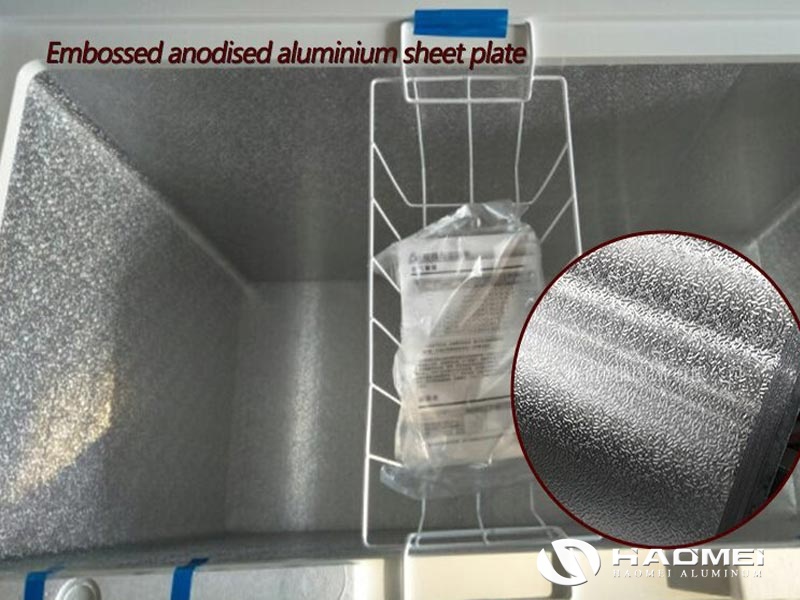
Embossed aluminum sheet 1100 3003 5052 is used where abrasion resistance and cosmetic durability are important.
Typical alloy choice: 3003 for cost-performance; 5052 for higher strength and corrosion resistance
Embossed aluminum sheet 1100 3003 5052 in 5052 alloy is often preferred for salt exposure. If the project includes fasteners or contact with other metals, galvanic corrosion control (isolation tapes, compatible fasteners) should be part of the system design.
Embossed aluminum sheet 1100 3003 5052 purchasing decisions are frequently won or lost on specification clarity. For overseas distributors and end users, these checkpoints reduce rework and disputes:
Standards and test certificates: Confirm applicable standards (ASTM/EN/JIS or customer specs) and request mill test certificates for chemistry and mechanical properties.
Dimensional definition: Agree on coil vs. cut-to-length sheet, width tolerance, camber limits, and flatness expectations.
Emboss definition: Provide a reference photo or sample for pattern matching, especially for repeat orders across batches.
Packaging: Export packaging should protect edges and prevent coil telescoping. Moisture barrier and desiccants are recommended for sea freight.
Coating/film details: State paint system (if any), gloss range, dry film thickness, and film peel requirements.
From a trade perspective, embossed aluminum sheet 1100 3003 5052 is sensitive to handling damage claims. Clear packaging standards and pre-shipment inspection records are often more valuable than small price differences.
Embossed aluminum sheet 1100 3003 5052 demand patterns are fairly consistent globally:
3003 dominates general distribution because it fits most HVAC/refrigeration jacketing requirements with predictable forming.
1100 is preferred by fabricators focused on deep forming or thin-gauge applications where "easy workability" reduces scrap.
5052 is specified by engineers when corrosion exposure is a documented risk or when higher mechanical properties reduce panel thickness.
For distributors, stocking a focused range of embossed aluminum sheet 1100 3003 5052 (common widths and tempers) can improve turnover because many end users accept equivalent substitutions if the mechanical and corrosion requirements are met.
Embossed aluminum sheet 1100 3003 5052 orders are processed faster when the RFQ includes:
Alloy: 1100 / 3003 / 5052
Temper: O, H14/H24, H32 (as applicable)
Thickness × width × length (or coil ID/OD and coil weight)
Emboss pattern: stucco (state one-side or two-side)
Finish: mill finish / coated (system and color code)
Film: yes/no, film thickness and peel requirement
Quantity: total tons, number of coils/sheets, allowed split
Inspection: MTC required, sampling method, third-party inspection if needed
Using this structure, embossed aluminum sheet 1100 3003 5052 procurement becomes repeatable across different countries, freight terms, and downstream processors.
Embossed aluminum sheet 1100 3003 5052 selection is most efficient when you map requirements to alloy capability:
Choose 1100 when formability and surface consistency matter more than strength.
Choose 3003 for general-purpose jacketing and cladding with reliable processing.
Choose 5052 when corrosion exposure is severe, coastal, or when higher strength is required.
This approach keeps embossed aluminum sheet 1100 3003 5052 competitive on total cost of ownership: fewer fabrication issues, fewer cosmetic rejects, and fewer in-transit damage claims.