Embossed Aluminum Roll
Apr-15-2026
Embossed aluminum roll is a practical and widely used material in modern manufacturing. From my experience in stucco embossed aluminum production and export, customers rarely choose this product for appearance alone. They choose it because the right embossed pattern can improve rigidity, enhance surface performance, support heat transfer in some applications, and deliver a more durable finish during fabrication and service.
Among embossed products, stucco patterns remain one of the most popular options. A well-produced embossed aluminum roll combines stable alloy composition, precise thickness control, consistent pattern depth, and clean coil surface quality. These factors directly affect downstream forming, laminating, cutting, and installation performance.
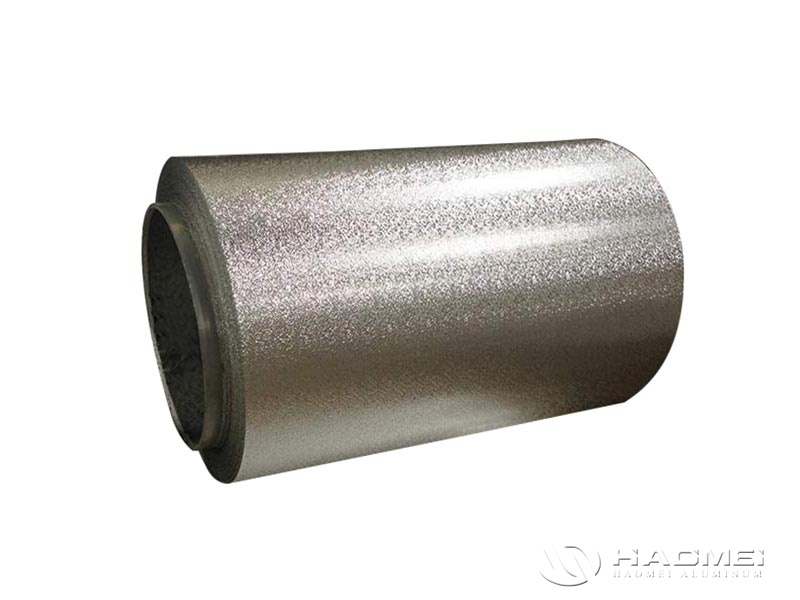
The specification range of embossed aluminum roll can be adjusted according to application, but in export business the most common alloys are 1050, 1060, 1070, 1100, 3003, and 3004. For customers requiring a balance between formability and corrosion resistance, 3003 embossed aluminum roll is often a dependable choice.
Typical thickness ranges from 0.2 mm to 1.5 mm for refrigerator panels, decorative panels, and insulation facing, while heavier gauges can also be supplied for industrial cladding and special fabrication. Common widths include 300 mm to 1500 mm, with coil ID and OD customized to processing lines and container loading requirements.
In terms of temper, H14, H16, H18, and O are frequently requested. Softer tempers are easier for deep processing and bending, while harder tempers offer better surface stability and higher resistance to deformation during handling. Surface finishes may include mill finish embossed, coated embossed, anodized base material, or moisture-barrier laminated structures.
The embossing pattern itself is another core specification. Orange peel, stucco, diamond, and customized decorative textures all serve different markets. For buyers focusing on insulation and protective covering, Stucco Embossed Aluminum Coil is often preferred because the irregular pattern helps reduce visible damage while giving the sheet more visual texture and mechanical stiffness.
From a technical perspective, embossed aluminum roll offers more than a decorative surface. The embossing process modifies the sheet in a way that improves practical performance.
First, the patterned surface increases apparent rigidity. Even when the base thickness is relatively light, the embossed finish can make the material feel stronger and more resistant to minor waviness. This is valuable in appliance panels, trailer interiors, and duct insulation coverings.
Second, embossed aluminum roll has good corrosion resistance, especially when the correct alloy and surface treatment are selected. Aluminum itself performs well in humid environments, and alloys such as 1xxx and 3xxx series are widely accepted for refrigeration, building envelope, and thermal insulation systems.
Third, it has excellent workability. A high-quality roll should support slitting, shearing, bending, profiling, stamping, and laminating without unstable pattern loss or edge cracking. In production, this depends not only on alloy and temper, but also on rolling reduction, embossing roller precision, and coil tension control.
Fourth, the textured surface helps reduce fingerprint visibility and minor scratch marks. This is a practical advantage that end users appreciate, even if they do not always mention it in specifications.
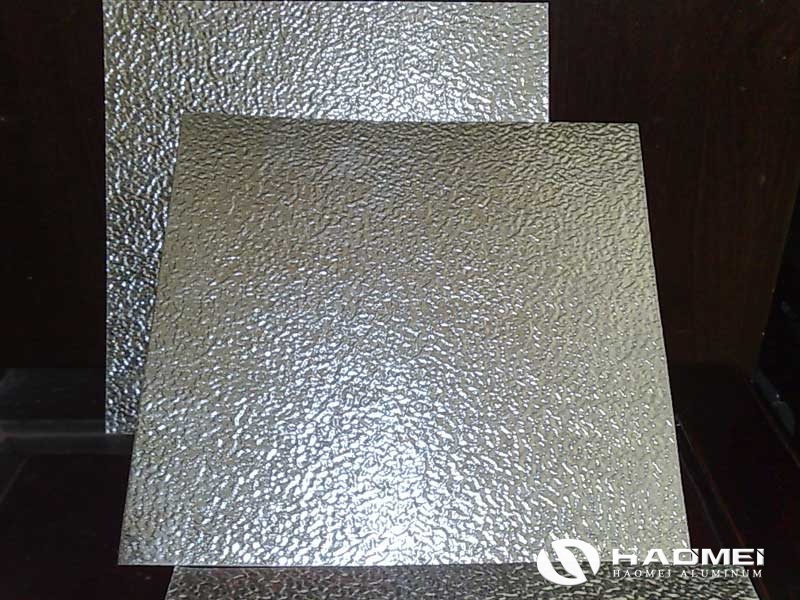
One advantage is material efficiency. Because the embossed texture improves stiffness perception, some customers can optimize structural design without moving to a much thicker plain sheet. This may help balance cost and performance.
Another advantage is consistency in mass production. A reliable supplier should control thickness tolerance, pattern uniformity, flatness after embossing, and package protection. In export shipments, proper moisture-proof packaging is especially important, because embossed products can show pressure marks or oxidation staining if packing is careless.
From my perspective, one of the biggest differences between average and premium embossed aluminum roll lies in process stability. Good material runs smoothly on customer lines. It does not create unnecessary stoppages during decoiling, laminating, or press forming. That operating efficiency is often more valuable than a small difference in unit price.
For applications requiring decorative value together with protective performance, products such as Stucco Embossed Aluminum Jacketing are widely used because they combine corrosion resistance, neat appearance, and easy installation around insulated pipes and equipment.
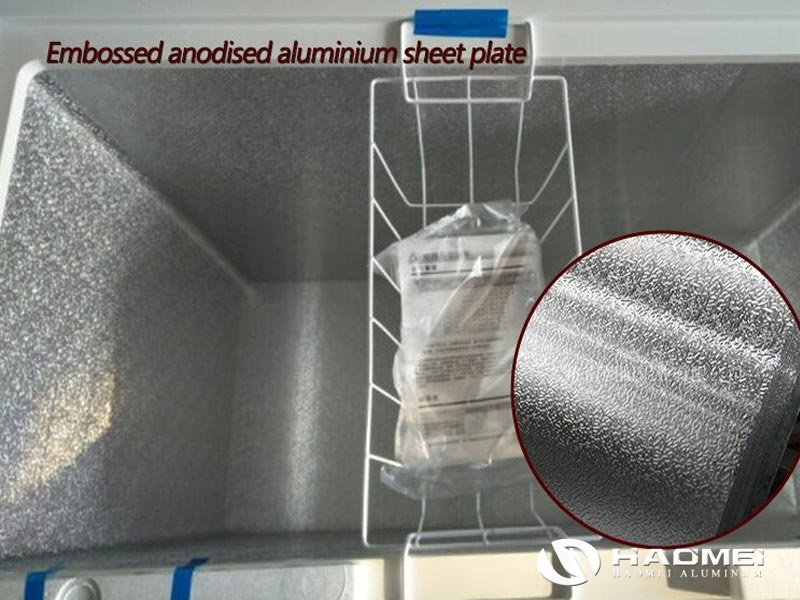
Embossed aluminum roll is widely used in refrigerator inner liners, freezer panels, cold chain equipment, insulation jacketing, building decoration, roofing accessories, ceiling systems, transportation interiors, and appliance housings. In refrigeration equipment, the embossed surface can improve appearance while helping hide small handling marks during assembly.
In thermal insulation systems, stucco embossed aluminum is a common outer covering for pipes, tanks, and vessels. It protects insulation layers, resists weather exposure, and provides a professional industrial finish. In architectural use, embossed rolls are also selected for wall panels, column wraps, and interior decorative surfaces where a textured metallic look is preferred.
For distributors and project buyers, choosing the right embossed aluminum roll is not just about alloy and thickness. It is also about matching embossing depth, temper, coil weight, and packaging method to the actual fabrication route. That is where experienced production support makes a real difference. When material is made with stable process control and practical application knowledge, the result is better forming performance, fewer customer complaints, and stronger long-term value.